

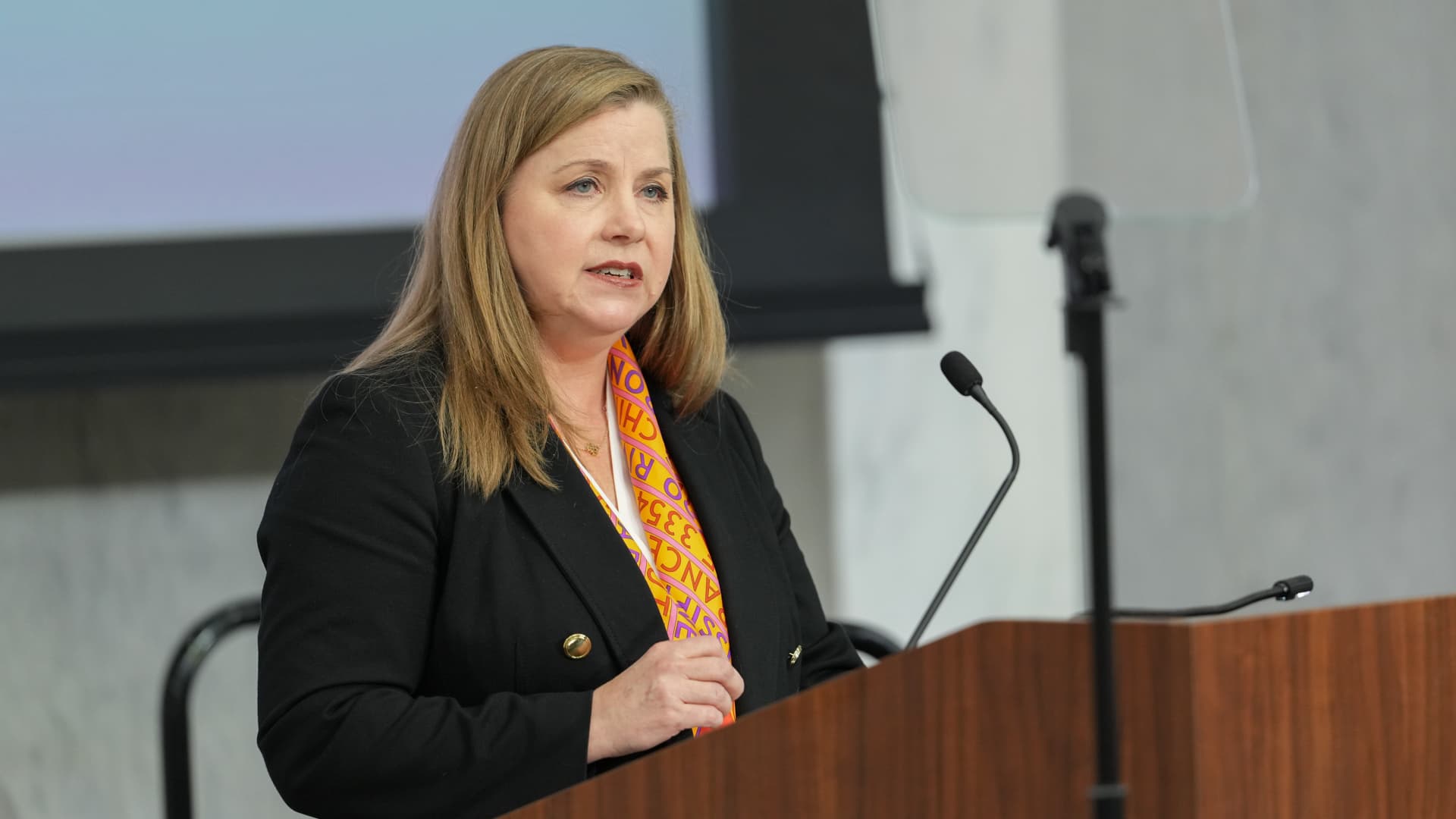

In a significant regulatory shift, U.S. financial regulators announced the repeal of requirements that insisted banks prepare for potential losses stemming from climate-related events. This decision, made public during a joint statement by the Federal Deposit Insurance Corporation, the Office of the Comptroller of the Currency, and the Federal Reserve, suggests that existing risk management protocols are sufficient. The change has drawn mixed reactions, particularly from former officials who warn that this could elevate risks associated with climate-related financial issues.
| Article Subheadings |
|---|
| 1) Implications of Repealing Climate Risk Regulations |
| 2) The Regulatory Perspective on Climate Risks |
| 3) Internal Dissent Among Regulators |
| 4) Historical Context of Climate Risk Regulations |
| 5) Future Outlook for Financial Regulation |
Implications of Repealing Climate Risk Regulations
The recent announcement from U.S. regulators signifies a marked departure from the previous approach to managing financial risks linked to climate change. By rescinding the obligations for banks to account for climate-related financial risks, regulators argue they are eliminating redundancy in existing safety and soundness standards, which require financial institutions to maintain robust risk management frameworks proportionate to their size and complexity. This change fundamentally shifts the regulatory landscape and may set a precedent for how such risks are treated in the financial sector moving forward.
Supporters of the new regulations suggest that existing safety protocols are adequate for ensuring banks navigate financial emergencies without the need for specific climate-related assessments. They assert that the removal of these rules will reduce compliance costs for financial institutions, allowing them to focus on more pertinent immediate risks to financial stability.
The Regulatory Perspective on Climate Risks
The joint release from the Federal Deposit Insurance Corporation, Office of the Comptroller of the Currency, and Federal Reserve highlights a significant shift in how regulators perceive the implications of climate change on the financial services sector. According to the regulatory bodies, the established safety measures already encompass a broad spectrum of risks, thereby making targeted climate risk preparations unnecessary. This decision highlights a fundamental belief that the existing regulatory framework adequately mitigates operational risks without the added layer of climate-specific planning.
Critics argue that ignoring climate risks in financial planning could lead to unforeseen consequences as the impact of climate change becomes more pronounced. They posit that by rolling back these safeguards, the agencies might overlook or downplay the impending demands that climate-related financial risks impose on the industry, which could potentially aggravate market volatility.
Internal Dissent Among Regulators
The decision to repeal the climate risk regulations has not been universally accepted within the Federal Reserve. Fed Governor Michael Barr, who previously served as vice chair for supervision, has publicly disagreed with this move, labeling it as “shortsighted.” He highlights a critical point: as financial risks linked to climate change are becoming increasingly tangible, the regulations should adapt accordingly to address these concerns rather than retreating from them.
This discord within the regulatory framework signals that the debate about climate-related financial risks is far from over. The voices of dissent emphasize a lingering concern that failing to account for these risks could endanger the overall stability of the financial system. This division among regulators also raises questions about the consistency and reliability of U.S. financial policies about emerging environmental risks.
Historical Context of Climate Risk Regulations
The climate risk regulations were initially established in October 2023, in a proactive measure designed to address concerns about how environmental changes could impact financial stability. These regulations required banks to evaluate and disclose potential losses associated with climate vulnerabilities as part of their routine operational audits. They were viewed as essential steps toward integrating climate considerations within the broader risk management practices of financial institutions.
However, the rules also attracted criticism, particularly from conservative policymakers who labeled them as examples of “mission creep” for the Federal Reserve. Under the leadership of Chair Jerome Powell, there has been a consistent assertion that climate issues do not squarely fall within the Fed’s primary mandates of monetary policy and bank oversight. This historical context underscores the ongoing tensions between regulatory prudence and the adaptation of financial norms in response to evolving risks.
Future Outlook for Financial Regulation
Looking ahead, the decision to repeal climate risk regulations may function as a bellwether for future regulatory initiatives. The stance taken by current regulators could potentially shape the direction of financial regulation for years to come as institutions continue to grapple with the implications of climate change. This raises crucial questions: Will future regulations sufficiently adapt to address emerging risks associated with climate-related phenomena, or will regulators continue to retreat from such considerations?
Given the increasing incidence of extreme weather events and their financial repercussions, the effectiveness of this regulatory rollback may be put to the test. Financial institutions may be compelled to independently reconsider their risk assessments as external pressures mount, prompting a potential reevaluation of resilience amidst uncertainty. This evolving scenario will be critical to watch as stakeholders monitor the response of the financial sector to climate-related risks in the absence of mandated regulations.
| No. | Key Points |
|---|---|
| 1 | Regulators have announced the repeal of climate risk regulations requiring banks to prepare for potential climate-related financial losses. |
| 2 | The decision underscores the belief that existing risk management standards are adequate, eliminating redundancy. |
| 3 | Former Fed officials express concerns about the potential increase in systemic risk due to climate-related issues. |
| 4 | The move has been labeled as “mission creep” by critics, questioning the Fed’s focus on climate issues. |
| 5 | The future regulatory landscape remains uncertain amid rising climate risks and financial industry adaptation possibilities. |
Summary
The repeal of climate risk regulations represents a pivotal moment in U.S. financial oversight, raising critical questions about the adequacy of existing risk management frameworks in light of an evolving environmental landscape. As debates continue around the potential consequences and necessity of climate-centric regulations, the impacts will likely resonate through the financial system, affecting stakeholders at every level.
Frequently Asked Questions
Question: What are the implications of the repeal of climate risk regulations?
The repeal suggests that existing risk management protocols are deemed sufficient, although critics warn that this could elevate risks associated with climate-related financial issues.
Question: What prompted the original establishment of climate risk regulations?
These regulations were established in response to concerns about how climate change could impact financial stability, requiring banks to evaluate potential losses tied to environmental changes.
Question: How have regulators responded to internal dissent regarding climate risks?
Some regulators, including former officials, have expressed concerns that rolling back these guidelines could lead to increased systemic risk amidst growing climate challenges.
