

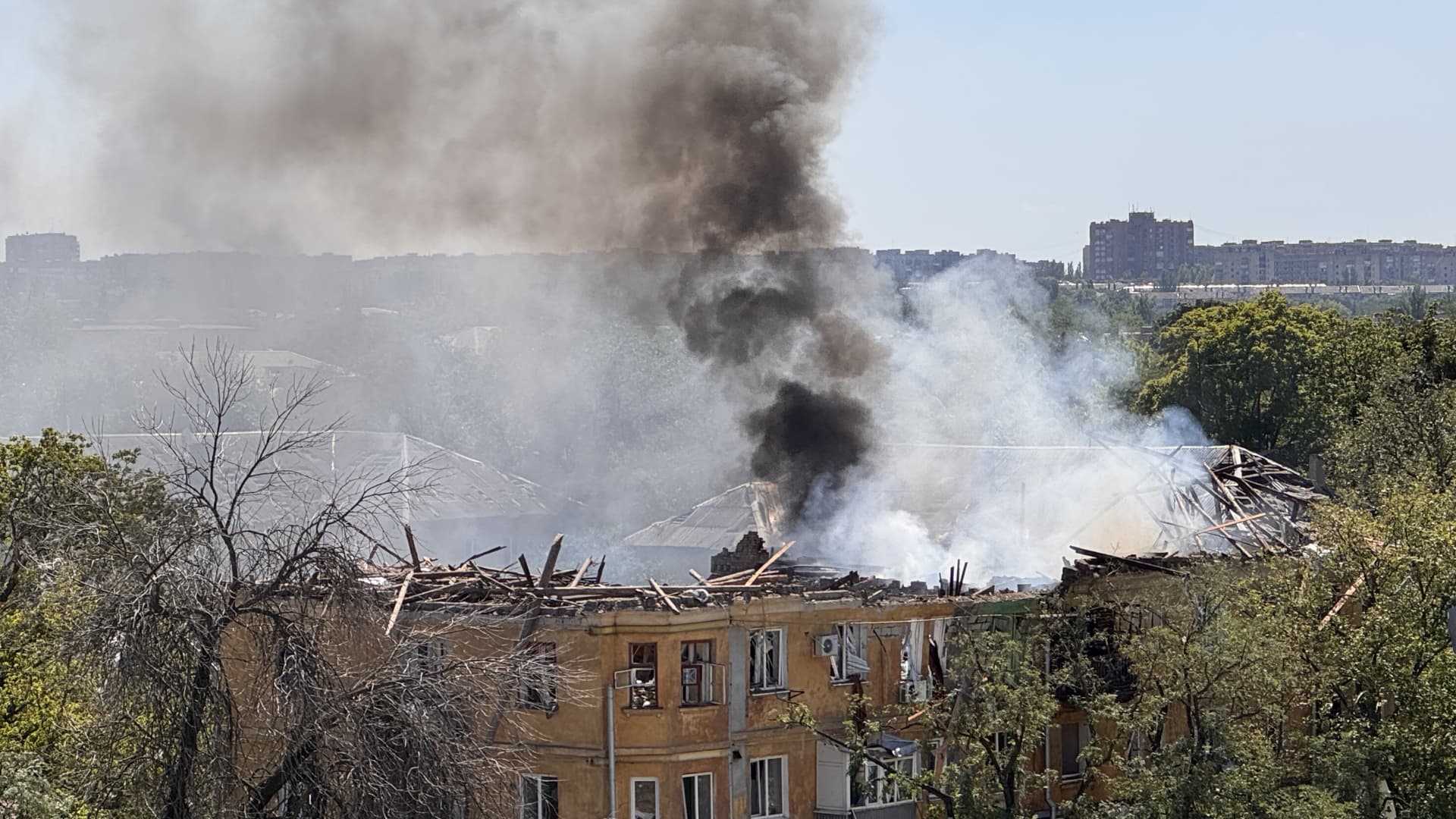

In the latest developments of the ongoing conflict between Russia and Ukraine, Russian forces have notably intensified their military operations in the eastern Donetsk region. Particularly, they are focusing on capturing critical towns such as Kostyantynivka and Sloviansk, aiming to tighten their grip on the contested area. Adding to the tensions, Ukraine’s leadership is advocating for the use of immobilized Russian assets to bolster their defense efforts, a plan met with complex international discussions.
| Article Subheadings |
|---|
| 1) Russian Military Advances in Donetsk |
| 2) Critical Analysis of Battlefield Claims |
| 3) Ukraine’s Push for Frozen Russian Assets |
| 4) International Reactions to Asset Utilization Proposal |
| 5) The Broader Implications of Ongoing Conflict |
Russian Military Advances in Donetsk
Recent reports indicate that Russian forces have escalated their military activities in the eastern region of Donetsk, targeting key urban areas strategically important for both combat and territorial control. This surge in military action aims not only to capture these cities but also to consolidate power within regions that have been pivotal throughout the duration of the conflict. The assault follows over four and a half years of relentless warfare, characterized by fluctuating control of strategic locations.
The primary focus remains on vital strongholds such as Kostyantynivka, Kramatorsk, and Sloviansk, all of which lie within what has been referred to as the “fortress belt”—a series of heavily fortified cities. The Kremlin views the complete acquisition of Donetsk Oblast as essential to achieving its broader military objectives in Ukraine. Specific details from Russian military spokespersons highlight that advances have been made, bringing Russian troops alarmingly close to Sloviansk, with claims suggesting they are now merely four kilometers from the city’s outskirts.
Critical Analysis of Battlefield Claims
Despite bold declarations from Russian military leadership, analysts and experts from entities such as the Institute for the Study of War (ISW) have expressed skepticism regarding the veracity of these claims. The ISW has posited that the reported advances may serve a dual purpose of elevating morale among Russian troops and constructing a narrative of successful military engagement.
The Chief of the General Staff of the Russian Armed Forces, Valery Gerasimov, asserted that Russian military operations have effectively breached the first defensive lines in certain areas of the fortified Sloviansk-Kramatorsk region. However, ISW’s analysis suggests a disconnect between declared military successes and actual strategic positioning on the ground. This disparity reflects the complexities and challenges faced by both parties in the ongoing conflict, where misinformation can create a profound impact on troop morale and international perception.
Ukraine’s Push for Frozen Russian Assets
Amidst the military developments, Ukraine’s Foreign Minister, Andrii Sybiha, has publicly endorsed a significant proposal aimed at leveraging frozen Russian assets to support the Ukrainian war effort. Speaking in a recent media interaction, he emphasized the importance of utilizing these assets rather than relying solely on taxpayer money from European allies, which he deemed “fair and logical.”
The initiative originates from a coalition of four European Union member states—Spain, Sweden, Poland, and the Netherlands—who have collectively pushed for the European Commission to revive discussions on unfreezing over 200 billion euros (approximately $232.9 billion) in Russian central bank assets. These assets have been immobilized due to sanctions imposed in response to the ongoing conflict.
International Reactions to Asset Utilization Proposal
The discussion surrounding the proposed utilization of frozen assets has sparked varied responses across the international political landscape. While Sybiha advocates for the rationalization of these resources, echoing sentiments about their potential application in fortifying Ukraine’s defenses, there remains considerable hesitance among EU members. Certain nations, particularly Belgium, have expressed concerns regarding the legal implications and potential liabilities associated with the proposed asset deployment.
This hesitation is rooted in a broader legal and ethical debate concerning the appropriation of state assets of a designated opponent. The Russian government has openly labeled the asset freeze initiative as “blatantly illegal,” reflective of the tense diplomatic relations exacerbated by the conflict.
The Broader Implications of Ongoing Conflict
The intensifying military actions in Donetsk and the complicated dynamics surrounding asset use underscore the broader implications of the ongoing conflict. As both sides navigate military strategy and international law, the prospect of prolonged warfare continues to loom ominously over the region. Numerous analysts provide insight that indicates a standstill may be necessary for meaningful diplomatic progress to occur.
Furthermore, discussions surrounding the use of frozen assets reflect a growing realization among European allies about the necessity to underpin Ukraine’s defense without overburdening their own taxpayers. The situation is evolving rapidly, with strategic decisions on the battlefield and in diplomatic circles likely influencing future courses of action and international relations with regard to the conflict.
| No. | Key Points |
|---|---|
| 1 | Russian forces have intensified military operations in eastern Donetsk, particularly targeting Kostyantynivka and Sloviansk. |
| 2 | Claims from Russian officials about battlefield advancements are met with skepticism from military analysts. |
| 3 | Ukraine’s Foreign Minister is advocating for the use of frozen Russian assets to support the war effort. |
| 4 | The proposal to utilize Russian assets is facing legal and ethical challenges among EU member states. |
| 5 | The ongoing conflict reveals complexities that may require a strategic standstill for effective diplomatic negotiations. |
Summary
In conclusion, the military engagements in the Donetsk region and the discourse surrounding the utilization of frozen assets exemplify the multifaceted nature of the conflict between Russia and Ukraine. The involvement of international players in funding defense efforts raises critical moral and legal questions that will likely shape future negotiations and relationships between Ukraine, its allies, and Russia. As the situation unfolds, the implications of ongoing military actions and the pursuit of diplomatic solutions will remain central to achieving lasting peace.
Frequently Asked Questions
Question: What is the current focus of Russian military operations in Ukraine?
Russian military operations are concentrated in the eastern region of Donetsk, with a particular emphasis on capturing key urban areas such as Kostyantynivka and Sloviansk.
Question: Why are frozen Russian assets being discussed for Ukraine’s defense?
Ukraine’s Foreign Minister advocates for utilizing immobilized Russian assets to fund defense efforts, viewing it as a fair replacement for taxpayer contributions from European nations.
Question: What are the legal concerns surrounding the use of frozen assets?
Legal concerns revolve around the implications of appropriating state assets from an enemy nation, with varying opinions among EU member states about how to proceed lawfully and ethically.
