


In a recent forecast, leading meteorological agencies have warned of impending record-breaking global temperatures over the next five years. The World Meteorological Organization and the U.K. Meteorological Office predict there is an 80% chance that the world will exceed the yearly temperature record set shortly before 2024. This follows a decade marked by increasingly severe heat events, raising concerns about extreme weather patterns, ecological impacts, and global health risks.
| Article Subheadings |
|---|
| 1) The Rising Global Temperatures |
| 2) Impending Climate Thresholds |
| 3) The Interplay of Natural Cycles and Human Impact |
| 4) Challenges Facing Humanity |
| 5) Steps Toward Mitigation and Adaptation |
The Rising Global Temperatures
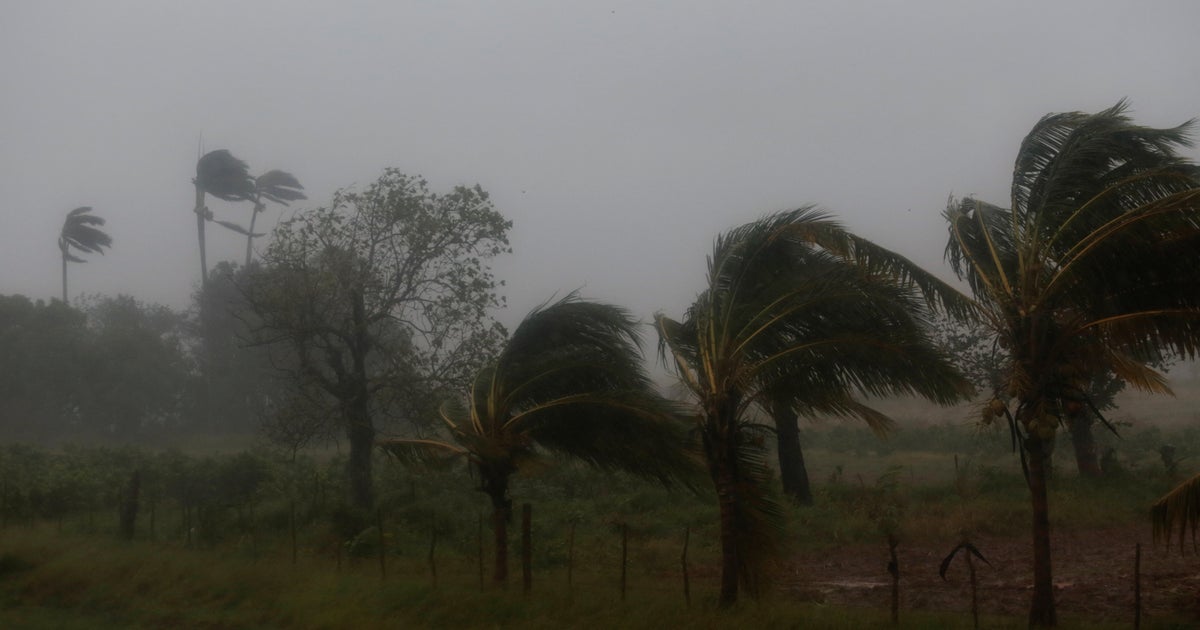
Rising global temperatures are becoming a source of significant concern for scientists and the global community alike. According to forecasts released by the World Meteorological Organization and the U.K. Meteorological Office, there is now an 80% probability that Earth will break another annual temperature record in the next five years. This prediction is alarming, especially given that every year from 2015 onward has ranked among the ten hottest years on record. Global climate scientists highlight that even slight increases in temperature can lead to a cascade of extreme weather events, enhancing the likelihood of droughts, hurricanes, and severe precipitation.
The implications of these rising temperatures are not merely theoretical; they translate into tangible outcomes that affect ecosystems, economic stability, and human health. Cornell University climate scientist Natalie Mahowald notes, “Higher global mean temperatures may sound abstract, but it translates into a higher chance of extreme weather: stronger hurricanes, stronger precipitation, droughts.” This statement underlines the fact that these creeping temperature changes directly correlate with higher risks to human life and natural systems.
The projections arise from a comprehensive analysis incorporating over 200 different simulations run by ten global scientific centers. This data drives home the reality of climate change and emphasizes that immediate action is crucial to address its impacts. With the specter of ongoing heat waves looming, humankind faces an urgent need to adapt to and mitigate these changes.
Impending Climate Thresholds
One of the most striking warnings from the report pertains to the climate thresholds set by international agreements, specifically the Paris Climate Accord. The report indicates that there is an 86% likelihood that at least one of the next five years will exceed the critical 1.5 degrees Celsius threshold above pre-industrial levels. Furthermore, there is a 70% chance that the average global temperature for the entire five-year period will surpass this significant milestone. These thresholds were established to limit the most severe impacts of climate change, but recent findings suggest that these limits may soon be breached.
The predictions serve as a stark reminder that what was once thought to be an improbable eventuality is now a concerning likelihood. The U.K. Met Office’s chief of long-term predictions, Adam Scaife, along with climate scientist Leon Hermanson, described this scenario as “shocking.” They emphasize how vital it is for governments and organizations worldwide to recognize the severity of the situation and act accordingly. Failure to do so could lead to increasingly grim consequences on various fronts, including public health and global economic stability.
Technically, while the year 2024 may record temperatures that are approximately 1.5 degrees Celsius warmer than pre-industrial eras, the Paris agreement sets a 20-year time frame to evaluate adherence to these thresholds. This has led to estimates indicating that the Earth is approximately 1.4 degrees Celsius hotter than it was in the mid-1800s, thus placing this warming just under the alarmingly close threshold of 1.5 degrees Celsius.
The Interplay of Natural Cycles and Human Impact
Understanding how climate change interacts with natural phenomena is vital for forecasting future conditions. Many climate scientists draw an analogy to riding an escalator: global temperatures steadily increase over time while natural events such as El Niño and La Niña cycles act as unpredictable jumps. However, increasingly evident is the trend whereby the planet does not cool back down significantly following these climatic jumps, suggesting that a new normal has emerged whereby prior temperature records become baseline expectations.
“Record temperatures immediately become the new normal,”
states Rob Jackson, a scientist from Stanford University. This encapsulation reveals a concerning truth: as humanity continues to emit greenhouse gases and further exacerbate climate change, we risk crossing lines into zones of no return. These observations, coupled with increasing evidence of human influence on climate, underscore the necessity of understanding the interplay between natural systems and anthropogenic emissions.
As the report underscores, the Arctic is warming at a rate that is approximately 3.5 times greater than the rest of the planet, contributing to severe ecological repercussions, including accelerated melting and rising sea levels. These changes raise questions about ecosystems in vulnerable areas and the socioeconomic stability of communities that depend on these landscapes.
Challenges Facing Humanity
The projections of heightened global temperatures pose severe risks to biodiversity, human health, and global economies. As temperatures continue to rise, experts warn that extreme events such as heatwaves, droughts, and fires will become more frequent, leading to losses in both human life and agricultural productivity. Richard Betts, head of climate impacts research at the U.K. Met Office, articulates the peril succinctly, highlighting that “with the next five years forecast to be more than 1.5C warmer than preindustrial levels on average, this will put more people than ever at risk of severe heat waves, bringing more deaths and severe health impacts.”
This rising heat not only poses immediate health risks but is also likely to exacerbate long-term societal challenges. Increased incidence of severe weather-driven disasters necessitates a sustained and concerted response to bolster resilience. Ecosystems, too, are grappling with these changes, with implications for biodiversity and species survival as habitats become less hospitable.
The potential for public health crises associated with extreme heat begs the question: How equipped are cities and governments to protect vulnerable populations? Preparedness strategies will be paramount as many communities, particularly those already facing socioeconomic challenges, could be disproportionately affected by these climate impacts.
Steps Toward Mitigation and Adaptation
In light of these projections, climate experts emphasize the importance of continued monitoring, adaptation, and mitigation to combat climate change implications effectively. Ko Barrett, Deputy Secretary-General of the World Meteorological Organization, stresses that “continued climate monitoring and prediction is essential to provide decision-makers with science-based tools and information.” These tools aim to facilitate informed decision-making designed to adapt to evolving climate realities while striving to offset the worst effects of climate change.
Mitigation strategies must encompass broad methodologies, including the transition to renewable energy, conservation initiatives, and robust climate policy frameworks aimed at limiting greenhouse gas emissions. Additionally, developing effective adaptation strategies that incorporate climate-resilient infrastructure and community-based approaches will be crucial for reducing vulnerability.
As proven solutions emerge, such as innovative agricultural practices or urban planning that incorporates green spaces, the role of cities and local governments will be increasingly vital. Working collaboratively across various sectors, stakeholders can implement solutions that address both climate mitigation and adaptation needs, potentially forging more resilient communities on a global scale.
| No. | Key Points |
|---|---|
| 1 | The world is likely to experience record-breaking heat in the next five years, with an 80% chance of surpassing annual temperature records. |
| 2 | There is a significant probability (86%) that temperatures will exceed the Paris agreement threshold of 1.5 degrees Celsius. |
| 3 | The report emphasizes the increasing risk of extreme weather events affecting ecosystems and human health. |
| 4 | Immediate action is essential to address and adapt to climate change to mitigate future risks and health impacts. |
| 5 | Collaborative solutions between various stakeholders will be key to developing effective climate policy and community resilience. |
Summary
The recent forecast from major meteorological organizations paints a concerning picture of our planet’s future, highlighting the inevitability of rising temperatures and the urgent need for decisive action. With a significant probability of exceeding critical climate thresholds, the report serves as a wake-up call for governments, businesses, and individuals alike. The threats posed by global warming necessitate a robust response that prioritizes both mitigation strategies and adaptive resilience to protect ecosystems and human health.
Frequently Asked Questions
Question: What does the 1.5 degrees Celsius threshold represent?
The 1.5 degrees Celsius threshold is a target set by the Paris Climate Accord aimed at limiting global warming to prevent the most catastrophic impacts of climate change.
Question: What causes increasing global temperatures?
Increasing global temperatures are primarily caused by greenhouse gas emissions from human activities, particularly fossil fuel combustion, deforestation, and industrial processes.
Question: How can communities adapt to rising temperatures?
Communities can adapt to rising temperatures through sustainable urban planning, the implementation of green technologies, and the establishment of climate-resilient infrastructure to safeguard against extreme weather events.
