

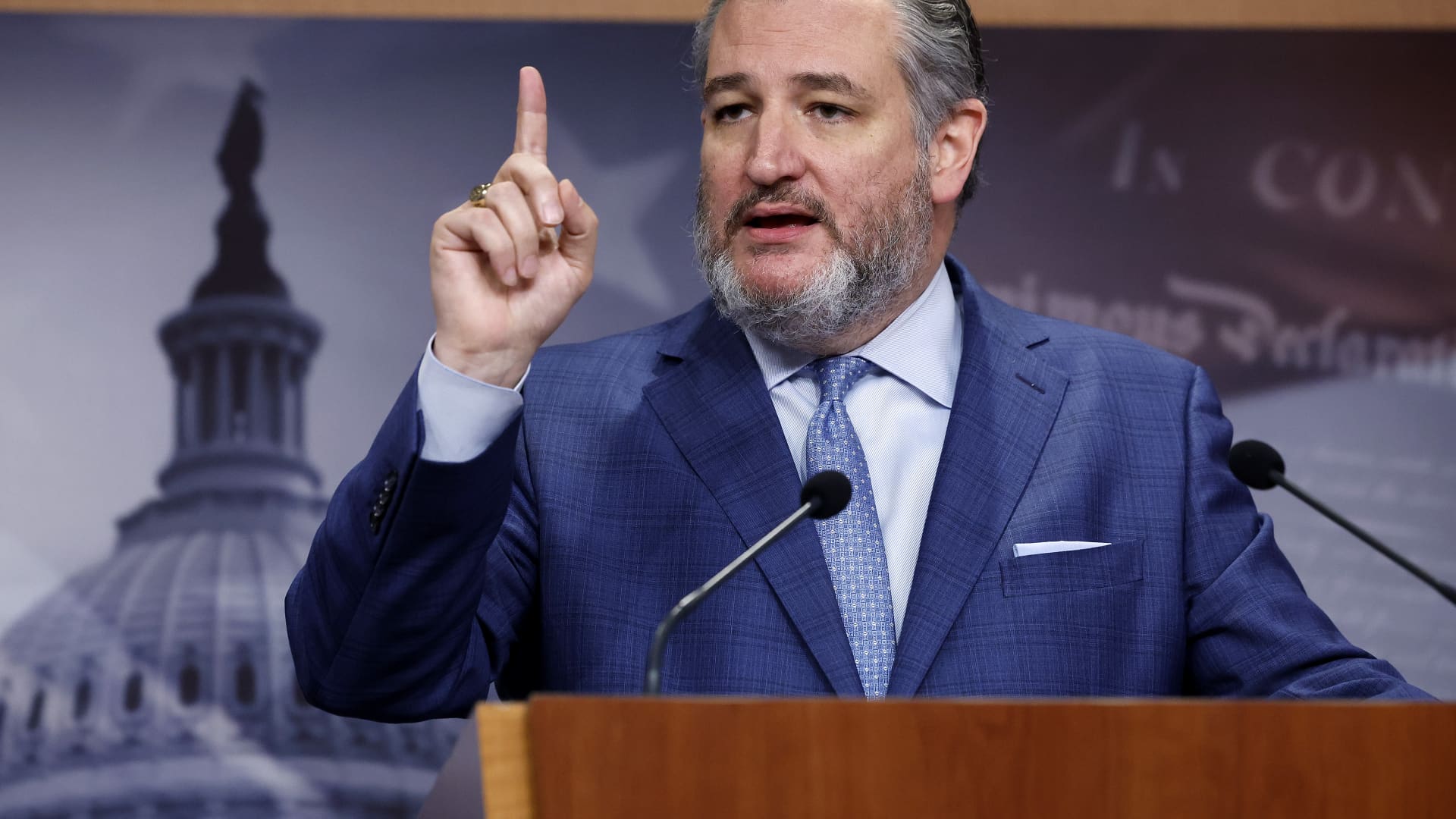

In a significant move for college athletics, the Senate voted 77-22 in favor of a bill aimed at establishing a national framework for name, image, and likeness (NIL) deals. This decision comes just ahead of the congressional recess as the chamber prepares for the upcoming 2026 midterm elections. The proposed legislation, known as the Protect College Sports Act, seeks to regulate NIL earnings for student-athletes while granting antitrust exemptions to the NCAA, conferences, and colleges, stirring a mix of optimism and concern among stakeholders.
| Article Subheadings |
|---|
| 1) Overview of the Protect College Sports Act |
| 2) Details on Proposed Changes to College Sports Regulations |
| 3) Opposition from Key Groups and Stakeholders |
| 4) Future Prospects in the House |
| 5) Implications for College Athletes and Institutions |
Overview of the Protect College Sports Act
The Protect College Sports Act represents a crucial step in a long attempt to regulate NIL agreements and the broader finances of college sports. Spearheaded by Senator Ted Cruz (R-Texas) and Senator Maria Cantwell (D-Wash.), the legislation aims to formalize the rights of athletes to earn from their NIL while providing the NCAA and affiliated bodies with the ability to enforce rules governing these agreements. By creating a national framework, lawmakers intend to bring clarity and consistency amidst an evolving landscape that has seen NCAA rules shifting to accommodate athlete compensation.
The act follows a significant legal backdrop in which courts have challenged the NCAA’s longstanding position against compensating student-athletes. Following these rulings, many individuals, particularly in sports like basketball and football, have capitalized on their status to secure lucrative NIL deals. This legislative effort aims to curtail potential chaos in the competitive college sports arena and standardize how institutions manage athlete remuneration.
Details on Proposed Changes to College Sports Regulations
The Protect College Sports Act includes numerous provisions designed to address current challenges within college athletics. Among the most notable changes is the proposal to tighten transfer rules, allowing athletes to switch schools without facing penalties, which has traditionally deterred student-athletes from pursuing options that might better suit their academic or athletic aspirations.
Furthermore, the legislation would impose a cap on athlete eligibility at five years while expanding the revenue-sharing pool that schools could utilize to pay student-athletes. This measure includes a significant allocation of up to $5 million specifically for women’s sports and Olympic disciplines, gaining prominence in a system historically skewed towards football and basketball revenue.
Senator Ted Cruz heralded the bill as a transformative moment in college sports, emphasizing the protection it would afford current and future athletes. With mounting pressure from various factions within the sports community, including complaints from coaches and athletes regarding the consolidation of power among larger athletic programs, this response appears essential for ensuring a balanced collegiate sports ecosystem.
Opposition from Key Groups and Stakeholders
Despite the overwhelming support in the Senate, the Protect College Sports Act faces substantial opposition, particularly from the Congressional Black Caucus (CBC) and various advocacy groups. The CBC, comprising more than 50 members in Congress, has expressed strong concerns over potential benefits directed towards dominant athletic institutions, which they argue are not adequately addressing social justice issues, including voting rights. They issued statements highlighting these broader societal concerns immediately following the Supreme Court’s recent decisions regarding voting rights.
Critics, including Senator Chris Murphy (D-Conn.), contend that the legislation implicitly supports a system of exploitation, arguing that it would further entrench NCAA power at the expense of players’ rights.
“What this bill does at its core is to protect a system of exploitation,”
Murphy stated. He suggests that the proposed antitrust exemptions could enable further violations of athletes’ rights, creating an environment where profit is prioritized over student welfare.
Future Prospects in the House
With the Senate passing the Protect College Sports Act, attention now shifts toward the House of Representatives, where the bill’s fate is wrapped in uncertainty. A previous bill concerning similar issues, dubbed the SCORE Act, was withdrawn from consideration due to pushback from the CBC and other dissenting voices. The presence of divided opinions and the looming midterm elections make it challenging to anticipate whether the House will take up the legislation.
Senator Ted Cruz has suggested that he is optimistic about bringing the proposal to the House floor, citing discussions with House Speaker Mike Johnson (R-La.). Yet, a source familiar with the matter conveyed skepticism, asserting that the likelihood of the House returning to address the college sports bill remains “highly unlikely.” As lawmakers head towards the elections, the prospects for advancing this legislation appear bleak.
Implications for College Athletes and Institutions
Should the Protect College Sports Act make its way through the House and onto the President’s desk, its implications for college athletics could be monumental. For athletes, this bill could enshrine their rights to capitalize on their identities, ensuring that the revenue generated from their participation benefits them directly. However, it remains essential for college sports to navigate these changes thoughtfully to mitigate adverse impacts on various sports and programs, particularly at smaller institutions and among traditionally underrepresented athletes.
On the institutional level, colleges and universities may need to prepare for heightened scrutiny regarding their financial structures and partnerships as they adapt to a landscape where student-athletes wield more power. This adjustment may lead to shifts in recruitment strategies, budgeting for athlete payments, and the overall operational dynamics within college sports programs. Ultimately, how effectively institutions manage these changes will significantly influence their success in maintaining competitive athletic programs and fostering meaningful experiences for student-athletes.
| No. | Key Points |
|---|---|
| 1 | The Senate has passed the Protect College Sports Act, aimed at regulating NIL agreements and granting antitrust exemptions to NCAA. |
| 2 | The bill introduces new rules on athlete transfers, eligibility caps, and revenue sharing, focusing on equity across sports. |
| 3 | Opposition arises from groups like the CBC and senators who believe it exacerbates exploitation in college athletics. |
| 4 | Future considerations for the bill’s passage in the House remain uncertain amid political dynamics surrounding elections. |
| 5 | The legislation potentially reshapes the balance of power in college athletics, impacting athlete rights and institutional operations. |
Summary
The passage of the Protect College Sports Act marks a pivotal moment for college athletics in the United States. As lawmakers seek to establish a regulatory framework for NIL deals and address the pressures facing student-athletes, the implications of this legislation could reshape the landscape of college sports. While the future of the bill in the House remains uncertain, the discourse surrounding athlete rights and institutional structures signals a transformative period for collegiate sports.
Frequently Asked Questions
Question: What does the Protect College Sports Act propose?
The Protect College Sports Act seeks to establish a national framework for NIL agreements, allowing athletes to earn from their name, image, and likeness while providing antitrust exemptions to the NCAA and institutions to enforce rules.
Question: Why is there opposition to the legislation?
Opposition comes from groups like the Congressional Black Caucus and other stakeholders who argue that the bill preserves a system that exploits student-athletes and focuses federal support on major athletic institutions without addressing broader social justice issues.
Question: What are the potential impacts of the bill on college athletes?
If passed, the bill could enhance athlete rights by allowing them to earn from their NIL, switch schools with less restriction, and foster more equitable revenue-sharing practices, significantly affecting their collegiate experience and long-term prospects.
