

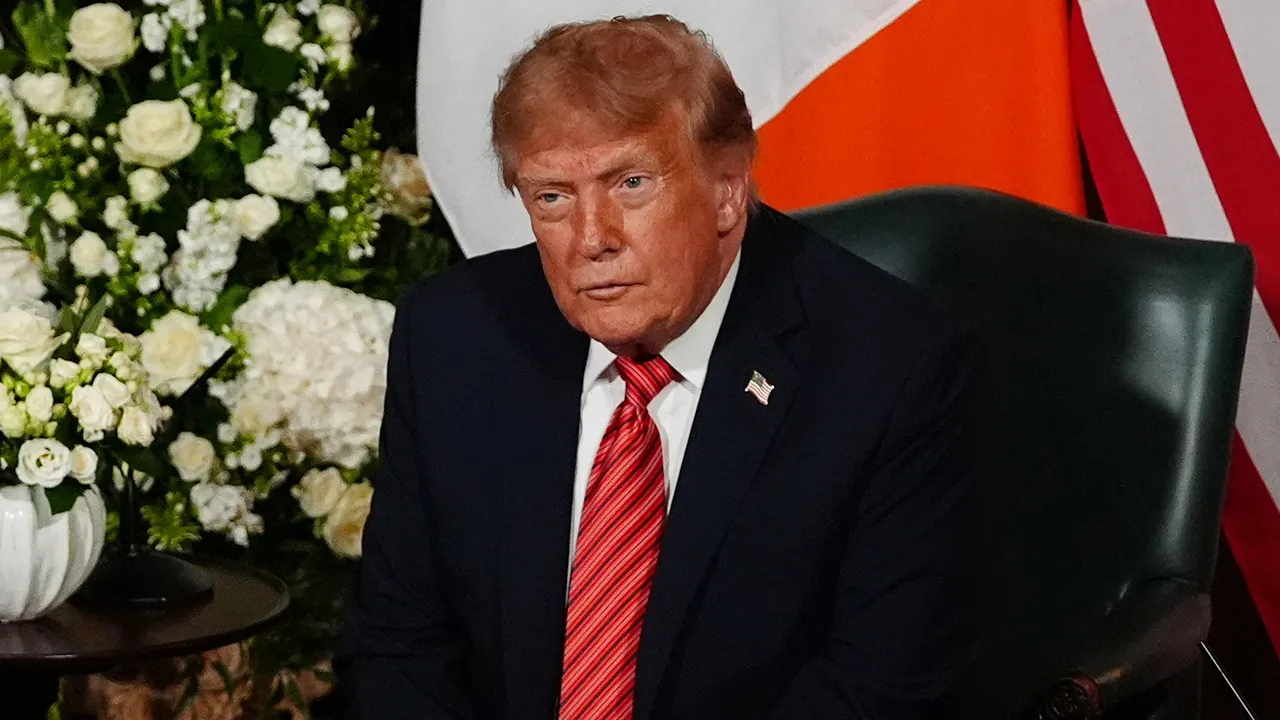

A proposed regulatory framework for cryptocurrency, known as the Clarity Act, faced significant setbacks in the U.S. Senate, leading to concerns about its potential revival. The bill, backed by prominent figures in the cryptocurrency sector and the administration of former President Donald Trump, was unable to clear a critical procedural vote. Key points of contention among lawmakers centered around ethics provisions and concerns over financial regulations relating to foreign money laundering and the oversight of Trump’s cryptocurrency interests.
| Article Subheadings |
|---|
| 1) Background of the Clarity Act |
| 2) Key Political Obstacles |
| 3) Ethical Concerns and Trump’s Financial Gains |
| 4) Reactions from Lawmakers |
| 5) Future Implications for Cryptocurrency Regulation |
Background of the Clarity Act
The Clarity Act was introduced as a significant step towards creating a regulatory framework for the burgeoning cryptocurrency sector in the United States. Advocated by key stakeholders, including members of the cryptocurrency industry and the prior administration, this legislation aimed to integrate digital currencies into established financial regulations. The intent was to provide clarity and security for businesses involved in cryptocurrency, which has faced a patchwork of state and federal regulations, stymying growth and innovation.
The introduction of the Clarity Act represented recognition by lawmakers of the prominence of cryptocurrencies in modern financial transactions, with advocates arguing that a clearer framework would protect consumers and investors alike. The need for such regulation became increasingly pressing as the value and prevalence of cryptocurrencies surged, attracting a slew of new investors, from individuals to institutional players. Defining clear regulatory guidelines was seen as vital to fostering a healthy market environment.
Key Political Obstacles
Despite the projected benefits, the Clarity Act encountered significant political opposition. On Tuesday, the bill faltered at a critical procedural vote in the Senate, a significant setback for its proponents. While many claimed support for the overarching goals of the bill, a coalition of Democrats, along with some Republicans, raised concerns about its implications. These objections revolved around the adequacy of the regulatory measures included in the framework.
Senator Cynthia Lummis, a Republican from Wyoming and the principal architect of the Clarity Act, expressed frustration following the vote, indicating that negotiations had spanned over a year, with amendments made to accommodate the diverse concerns of lawmakers. Despite these efforts, the bill was unable to meet bipartisan support necessary to progress in a politically charged atmosphere, particularly with pressing deadlines as midterm elections approach.
Ethical Concerns and Trump’s Financial Gains
A focal point of contention surrounding the Clarity Act involved ethical considerations, particularly regarding former President Donald Trump’s financial interests in the cryptocurrency market. Reports indicate that Trump experienced a staggering increase in income attributed largely to his holdings in cryptocurrency, raising eyebrows among many lawmakers. Specifically, Trump’s income surged from approximately $620 million in 2024 to about $2.2 billion in 2025, significantly bolstered by ventures led by his sons, Donald Trump Jr. and Eric Trump.
The currency’s increasingly opaque regulatory landscape led several Democrats to voice their concerns that the Clarity Act, in its current form, would further entrench Trump’s financial activities rather than mitigate potential conflicts of interest. Senator Cory Booker, a New Jersey Democrat, openly criticized the bill, stating, “the simple thing is, it allows the corruption of the president to continue.” As discussions about the bill unfolded, these ethical implications emerged as a critical barrier to gaining the necessary backing from some Democratic senators.
Reactions from Lawmakers
As the Clarity Act’s prospects dimmed, various lawmakers articulated their disappointment and apprehension regarding the bill’s implications. Senator Ruben Gallego from Arizona was actively engaged in efforts to strengthen the package’s ethics provisions, pushing for clearer stipulations on corruption and money laundering. “We were actually getting very, very close…and then they just pulled it at the last minute,” he remarked, expressing concern that negotiations were sabotaged to protect the president’s financial interests.
Not all senators were opposed to the bill; some expressed a desire to amend the legislation rather than abandon it. Senator John Cornyn from Texas indicated that he was undecided leading up to the vote, emphasizing the potential for further refinement once the bill was on the floor. “What we used to do around here is something called legislate,” he noted, advocating for the necessity of moving forward with the bill even if it meant tweaking it post-vote.
Future Implications for Cryptocurrency Regulation
The failure of the Clarity Act raises significant questions about the future of cryptocurrency regulation in the United States. With major legislative priorities looming, the Senate may turn to explore and address other issues more palatable to lawmakers, such as legislation surrounding college athletics, which could expedite a move away from cryptocurrency regulation altogether. Senate Majority Leader John Thune indicated that while the failure of the Clarity Act is a setback, the Senate would press ahead on other pressing matters.
Moving forward, the lack of a clear regulatory framework could result in a continued patchwork of state and federal regulations for cryptocurrency, stifling innovation and potentially leading to further uncertainty in the market. Observers will be closely monitoring how the implications of this setback affect cryptocurrency valuation and the regulatory landscape moving forward. Until a comprehensive agreement can be reached, the market remains in a state of volatility and apprehension.
| No. | Key Points |
|---|---|
| 1 | The Clarity Act aimed to provide a coherent regulatory framework for cryptocurrencies. |
| 2 | The bill failed to overcome key procedural hurdles in the Senate due to a lack of bipartisan support. |
| 3 | Ethical concerns arose, particularly regarding former President Trump’s financial interests and conflicts of interest. |
| 4 | Several lawmakers expressed dissatisfaction with the bill’s provisions regarding corruption and financial oversight. |
| 5 | The deadlock on the Clarity Act could delay the establishment of clear regulations for the cryptocurrency market. |
Summary
The failure of the Clarity Act represents a significant setback for advocates of cryptocurrency regulation and highlights the complexities of navigating legislative processes amidst political divides. With key ethical concerns regarding former President Trump’s substantial financial interests in cryptocurrency and a pronounced lack of bipartisan support, the future of cryptocurrency regulation remains uncertain. The implications of this legislative failure could lead to a continuous environment of instability within the cryptocurrency market, emphasizing the urgent need for a cohesive regulatory framework that addresses the challenges posed by this rapidly evolving financial landscape.
Frequently Asked Questions
Question: What were the main objectives of the Clarity Act?
The Clarity Act aimed to establish a regulatory framework for cryptocurrency in the United States, providing clear guidelines for businesses and consumers while enhancing security and clarity in the burgeoning digital asset market.
Question: Why did the Clarity Act fail in the Senate?
The Clarity Act failed to pass due to a combination of factors, including objections from both Democrats and Republicans, primarily related to ethics concerns and the bill’s impact on former President Trump’s financial interests in cryptocurrency.
Question: What could be the potential impact of the Clarity Act’s failure on cryptocurrency regulation?
The failure of the Clarity Act could result in continued uncertainty and a lack of cohesive regulation within the cryptocurrency market, prolonging a patchwork of state and federal regulations that may hinder innovation and market stability.
