

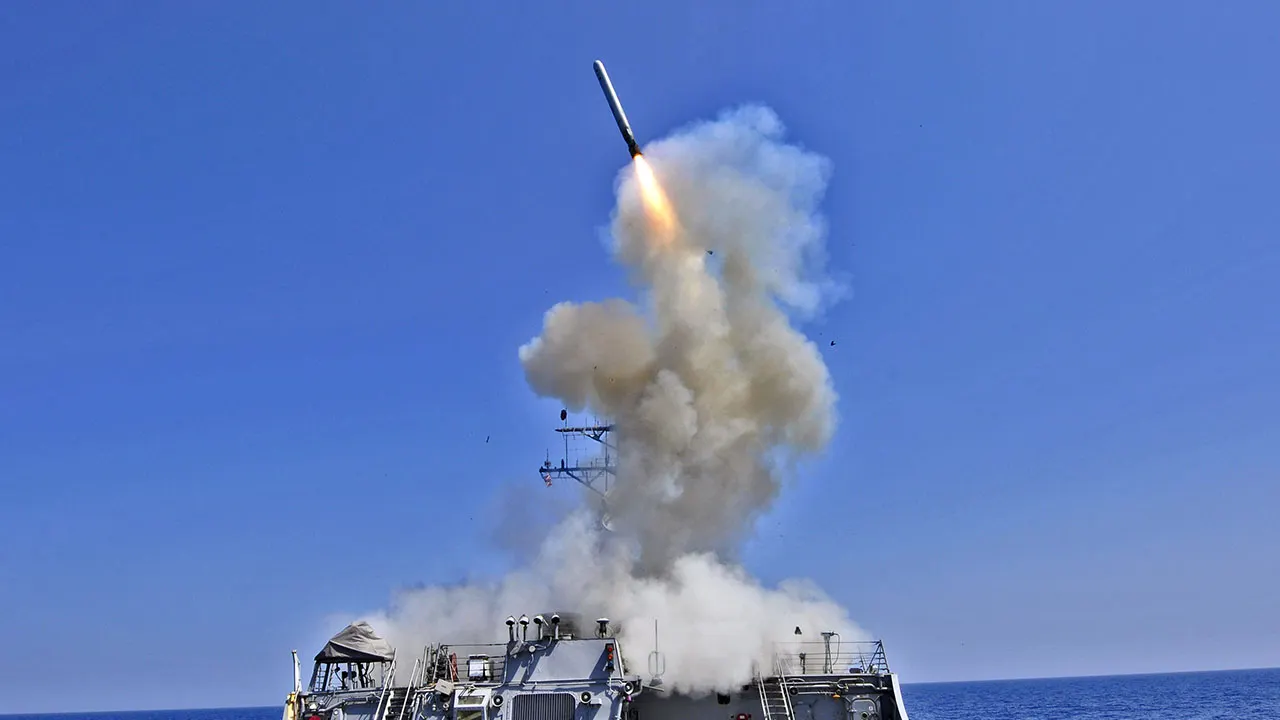

In a significant move to enhance its defense capabilities, the War Department is diversifying its military inventory through multi-year contracts with established defense contractors and innovative startups. This strategy includes an investment of billions in next-generation weapons systems and indicates a shift towards integrating emerging technologies into military operations. By focusing on long-term partnerships and increasing collaboration with new market entrants, officials are aiming to bolster the nation’s defense industrial base amid changing global security dynamics.
| Article Subheadings |
|---|
| 1) Overview of Defense Contracts |
| 2) The Role of Startups in Defense Innovation |
| 3) Future Technology Investments |
| 4) Accelerating Manufacturing Processes |
| 5) Implications for National Security |
Overview of Defense Contracts
The War Department has embarked on an ambitious endeavor to solidify its defense capabilities by signing multi-year weapons production contracts that could last several years. Notably, these contracts include a staggering $22.9 billion deal with Raytheon for Tomahawk missiles and a $58.62 billion agreement with Lockheed Martin for enhancements to the Patriot Missile Segment. These long-term agreements present a shift in how the War Department approaches military procurement, allowing for better planning and management of supply chains amidst rising global threats.
Undersecretary of War for Acquisitions and Sustainment, Michael Duffey, highlighted the unprecedented nature of these deals, emphasizing that they provide the War Department with the reliable quality and performance that systems like the Tomahawk cruise missile and Patriot missile batteries offer in operational theaters.
In addition to these high-profile contracts, the department is also extending $1 billion to Northrop Grumman and Lockheed Martin for THAAD – Terminal High Altitude Area Defense systems, illustrating that these agreements are not only substantial in monetary terms but also critical to enhancing the tactical capabilities of U.S. military forces.
The Role of Startups in Defense Innovation
The War Department’s commitment to working with startups marks a significant evolution in defense contracting strategy. Initiatives aimed at collaboration with innovative smaller companies could lead to groundbreaking advancements in military technology. Lawmakers like Rep. Michael McCaul, the Chair of the House Foreign Affairs Committee, assert that startups possess the agility and creativity needed to drive innovation faster than traditional defense contractors, particularly as evident during the recent conflict in Ukraine.
Companies like Rocket Lab, which has received over $2 billion in government contracts since its inception in 2006, highlight the trend towards integrating smaller defense firms into larger military strategies. According to Brian Rogers, Vice President of Global Launch Services at Rocket Lab, the company is increasing its involvement in missile and defense test programs through joint endeavors with the Department of War Innovation Unit. Their latest Haste Launch Vehicle is expected to catalyze advances in hypersonic capabilities for the U.S. military.
Future Technology Investments
The War Department is also prioritizing investment in forward-looking technologies as part of its strategic vision. Innovation Units are tasked with collaborating with commercial firms and startups to integrate advanced weapons and defense capabilities into operational strategies. This focus is reflected in their significant budget increase, which has ballooned to nearly $1 billion in recent years, underscoring the administration’s belief that new technological breakthroughs will play a crucial role in national security.
The government’s encouragement of innovative solutions resonates well with firms like Castelion, which is dedicated to speeding up the manufacturing timeline of defense materials. Co-Founder and CEO, Bryon Hargis, echoes sentiments akin to the Apollo era, stating that it is crucial to solve manufacturing issues directly during the production process rather than relying solely on pre-existing methodologies that may have lost relevance.
Accelerating Manufacturing Processes
As the War Department works to modernize its approach, it is also focusing on methodologies that enhance production speeds and efficiency. During a time when rapid deployment of defense solutions is paramount, companies like Castelion are implementing strategies to identify and rectify manufacturing weaknesses. Their adherence to benchmarks set during the Apollo missions demonstrates a commitment to excellence that could elevate current production standards.
Castelion’s agreements with the War Department, which include plans to field their Blackbeard Hypersonic Weapon, illustrate that the infusion of startups into the defense industrial base can lead to an influx of innovation. Hargis emphasizes that if Castelion meets its performance targets, substantial orders for munitions could follow, thereby strengthening both the company’s market position and the wider U.S. defense strategy.
Implications for National Security
The War Department’s new direction could have profound implications for U.S. national security. By integrating innovative technologies and expanding collaboration with startups, officials hope to improve the readiness and responsiveness of military forces in an increasingly unpredictable global landscape. As new threats emerge, from cyber warfare to advanced missile capabilities utilized by adversarial nations, the ability to quickly adapt and implement new technologies becomes critical.
From increased funding for innovative startups to expansive multi-year contracts with established defense contractors, this comprehensive strategy seeks to create a more dynamic and versatile defense posture for the United States. The collaboration between these two groups represents a tactical shift that could empower the War Department to address emerging challenges more effectively than ever before.
| No. | Key Points |
|---|---|
| 1 | The War Department is signing multi-year contracts worth billions to enhance defense capabilities. |
| 2 | Startups are being integrated into military strategies for faster innovation and creativity. |
| 3 | Increasing investment in technology presents opportunities for groundbreaking advancements. |
| 4 | Manufacturing processes are being accelerated through innovative practices from startup partnerships. |
| 5 | The ongoing efforts aim to improve national security readiness in response to emerging global threats. |
Summary
The War Department’s recent initiatives to diversify its defense procurement and integrate innovative technologies underscore a transformative phase in U.S. military strategy. By fostering collaborations between established defense contractors and agile startups, the Pentagon aims to enhance capabilities and meet the evolving demands of national security. As these efforts progress, they hold the potential to significantly bolster the operational readiness and technological edge of U.S. military forces in the face of dynamic global challenges.
Frequently Asked Questions
Question: Why is the War Department focusing on multi-year contracts?
The focus on multi-year contracts allows for better planning and resource management, enabling the War Department to secure long-term supply chains amidst rising global threats and ensure sustained production of vital military technology.
Question: How do startups contribute to defense innovation?
Startups introduce agility and inventive solutions, enabling them to develop and deploy new technologies faster than traditional defense contractors. Their unique approaches can complement existing capabilities and introduce cutting-edge innovations to the military.
Question: What is the significance of investing in manufacturing processes?
Investing in modern manufacturing processes enhances production timelines, allowing for quicker deployment of defense solutions. This expedited pace is critical for maintaining national security amidst emergent threats and ensuring military readiness.
