

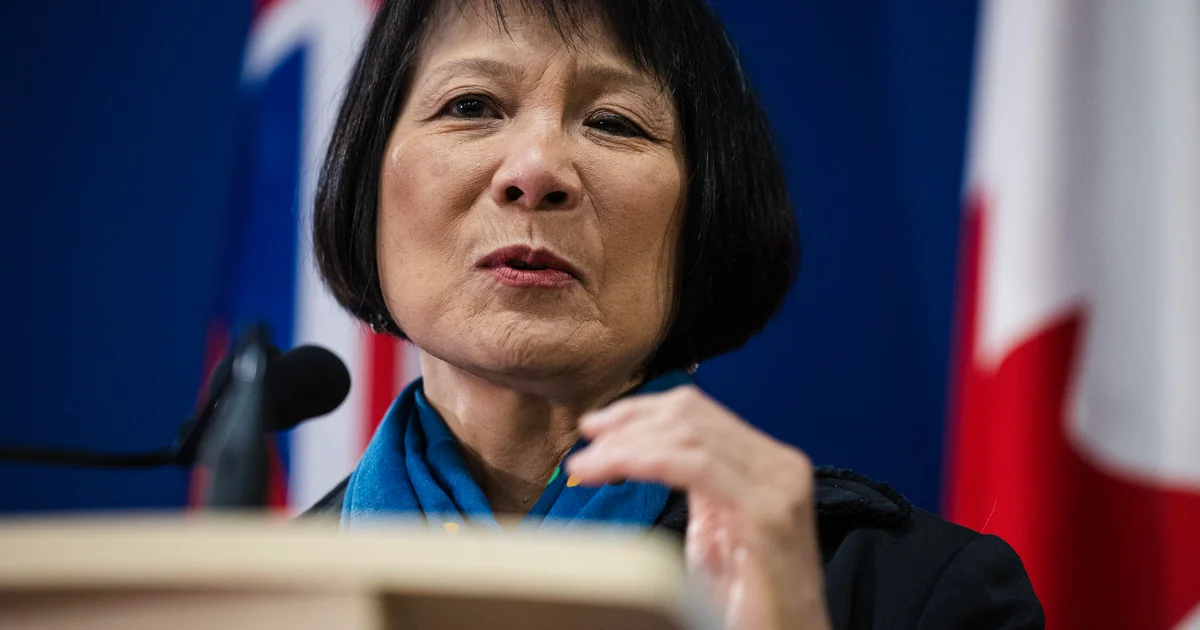

The ongoing tariff dispute between the United States and Canada is escalating, as both nations impose significant tariffs on each other’s goods. In a recent interview, Toronto Mayor Olivia Chow described the situation as “a lose-lose” and raised concerns over its impact on jobs and prices. With tariffs on American goods reaching up to 50%, the trade conflict threatens economic stability on both sides of the border.
| Article Subheadings |
|---|
| 1) Overview of the Tariff Dispute |
| 2) Economic Impact on Canadian Industries |
| 3) Political Reactions and Statements |
| 4) Turning to Domestic Products |
| 5) Call for Negotiation and Cooperation |
Overview of the Tariff Dispute
The trade relationship between the U.S. and Canada has recently turned contentious, largely due to the imposition of hefty tariffs. As President Donald Trump announced a 50% tariff on Canadian automotive and steel imports set to take effect on January 1, 2027, Canada retaliated by imposing equivalent tariffs on American goods valued at approximately $20 billion. Mayor Olivia Chow characterized this trade war as unnecessary, asserting it threatens jobs and livelihoods on both sides of the border.
The recent exchange of tariffs marks a significant escalation in a long-standing trade relationship characterized by mutual dependency. The U.S. tariffs target essential sectors in the Canadian economy, while Canada’s retort focuses on key American industries, suggesting a tit-for-tat approach rather than a resolution to the trade tensions.
Economic Impact on Canadian Industries
Mayor Chow highlighted the alarming ramifications of the tariffs on Canadian industries, particularly in Toronto, where approximately 5,000 jobs in the textile, clothing, and leather manufacturing sectors could be jeopardized. The Mayor pointed out that job losses in these sectors could significantly affect the economy, as individuals grapple with unemployment or reduced job security in an already fragile economic climate.
Moreover, Chow emphasized that the ramifications extend beyond job losses, hinting at an increase in consumer prices. She stated, “When that happens, it means the price of Americans buying things, the cost will go up.” This sentiment reflects concerns that the trade war could ultimately lead to higher prices for consumers in both countries, further complicating an already strained economic landscape.
Political Reactions and Statements
In the political arena, the rhetoric surrounding the tariff dispute has intensified. Trump framed the trade negotiations as a matter of national pride, declaring on social media, “Canada has been ripping off the United States of America for years.” His comments underscore a combative stance toward Canada, culminating in threats to treat the neighboring country with less regard than previously recognized.
In response, Chow expressed her frustration over the U.S. administration’s approach, particularly with Trump’s insinuation that Canada may become the 51st state if they are not treated fairly. She stated, “Being called the 51st state, it’s threatening our sovereignty as a country.” This political back-and-forth illustrates the complexity of international relations and the potential for a diplomatic crisis stemming from escalated tariffs.
Turning to Domestic Products
In the face of adversity, Chow has encouraged her constituents to support local businesses by purchasing Canadian products instead of American merchandise. During her interview, she stated emphatically, “Unless there’s a choice, we’re going to buy what is around us.” This advocacy for domestic consumption is intended to bolster the Canadian economy and signal resilience against external pressures.
Chow reiterated that the grievances were directed at the U.S. government rather than the American populace, clarifying, “It’s not Americans that are hostile. It’s that president of yours that is just attacking us.” This distinction highlights her desire to maintain amicable relations with American citizens while promoting Canadian interests amidst the geopolitical strife.
Call for Negotiation and Cooperation
The Mayor’s call for dialogue and negotiation stems from her belief that strong bilateral relationships should not be jeopardized by political gamesmanship. “They’ve been our partners and friends for so many generations,” Chow noted, urging a reconsideration of the approach taken by the U.S. administration. She called on American citizens to engage with their elected officials, advocating for robust discussions to alleviate tensions and seek resolutions that benefit both countries.
By urging cooperation, Chow seeks to remind both governments of the importance of collaboration over confrontation and the mutual benefits derived from a harmonious trade relationship. She expressed hope that the longstanding partnership could withstand the current challenges and emerge stronger through negotiation and understanding.
| No. | Key Points |
|---|---|
| 1 | The U.S. and Canada have initiated a series of retaliatory tariffs, escalating the trade dispute. |
| 2 | Toronto’s Mayor Olivia Chow expressed concerns over job losses among Canadian industries, particularly textiles and manufacturing. |
| 3 | Political tensions have increased, with both leaders making contentious remarks about national pride and sovereignty. |
| 4 | Mayor Chow is advocating for local consumerism in response to the tariffs, urging Canadians to buy domestic products. |
| 5 | Chow called for increased cooperation and dialogue between the two nations to resolve the dispute amicably. |
Summary
The current tariff conflict between the U.S. and Canada exposes the fragility of international trade relations, with significant implications for both nations’ economies. Mayor Olivia Chow remains steadfast in her belief that open communication and cooperation are crucial in overcoming the economic challenges posed by escalating tariffs. By encouraging local purchasing and advocating for negotiations, she aims to foster resilience and stability within the Canadian economy while maintaining respect for American consumer relationships. The situation continues to develop, underscoring the importance of diplomacy in global trade.
Frequently Asked Questions
Question: What are the primary goods affected by the tariffs between the U.S. and Canada?
The tariffs impact a range of goods, including automotive products, steel, textiles, clothing, and leather manufactured items.
Question: How might the tariffs affect consumers in both countries?
The tariffs could lead to increased prices for consumers as import costs rise, ultimately resulting in a potential economic burden on everyday purchases.
Question: What action is Mayor Olivia Chow encouraging Canadian consumers to take in response to the tariffs?
Mayor Chow is urging Canadians to buy domestic goods instead of American products to support local industries and mitigate the financial impact of the tariffs.
