

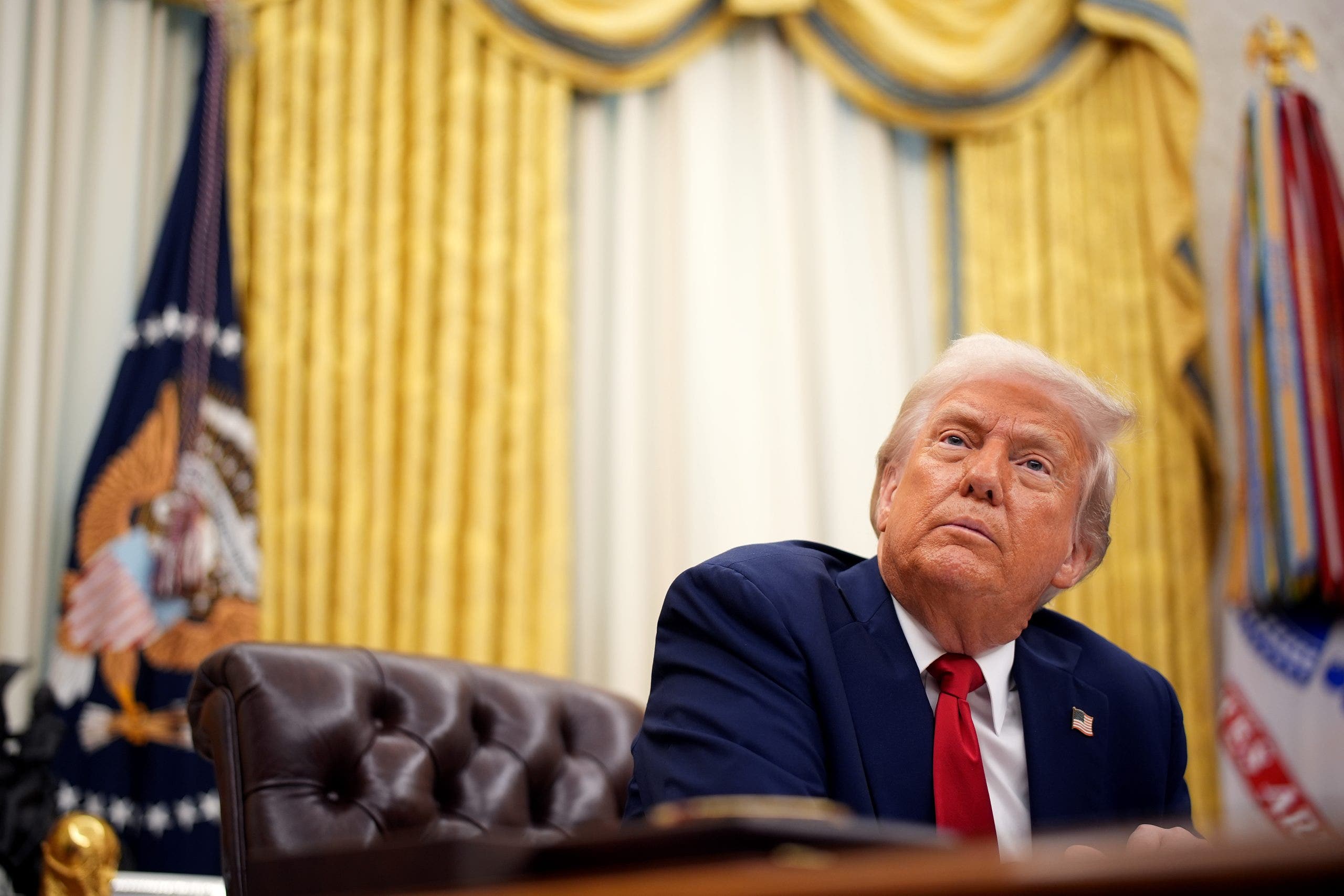

In the wake of ongoing judicial challenges to President Donald Trump’s executive orders during his second term, legal tensions between the executive and judicial branches are escalating. Federal courts have intervened to block several significant actions, leading Trump and his supporters to criticize these judges as “activists” who are overstepping their boundaries. This conflict illustrates the complexity of the U.S. legal system, where checks and balances afford various avenues for redress and legislative collaboration.
| Article Subheadings |
|---|
| 1) Overview of Judicial Challenges |
| 2) Legislative Pathways for Change |
| 3) Executive Limitations and Powers |
| 4) Alliances and Support Structures |
| 5) The Broader Implications of this Legal Clash |
Overview of Judicial Challenges
Since President Trump took office, a series of sweeping executive orders have faced numerous legal challenges in federal courts. Plaintiffs ranging from state governments to nonprofit organizations have filed hundreds of lawsuits aimed at blocking these directives. Some of the central issues being contested include the dismantling of federal agencies and the restriction on specific executive actions, including policies affecting military personnel and immigration enforcement.
The legal disputes have highlighted a recurring theme of conflict between the executive branch’s ambition to implement a particular policy agenda and the courts’ role in interpreting the legality of those actions. This has created a complex environment where Trump’s administration must navigate an intricate web of legal precedents, court rulings, and appeals that could ultimately affect his policy implementations. The recent Supreme Court decisions have provided some relief by allowing certain executive actions, such as reinstating a ban on transgender military personnel, to move forward temporarily while lower court evaluations continue.
Legislative Pathways for Change
To secure a more definitive foothold for his policies, President Trump has the option to work closely with the Republican-majority Congress. This approach could allow for the codification of key executive orders into law, granting them additional permanence and defense against judicial challenge. The legislative process involves collaboration between the President and lawmakers to draft bills that reflect the administration’s priorities.
According to the Code of Federal Regulations and the Federal Register, executive orders can be altered or revoked only by congressional action or by the president himself if he operates within the scope of authority granted by Congress. Therefore, ensuring that legislative measures align with the administration’s goals is critical to avoiding the legal pitfalls that have plagued past executive actions. Critics assert that many of Trump’s orders exceed the legal authority assigned to him, necessitating careful drafting and legislative vetting.
Executive Limitations and Powers
The powers of the executive branch are curtailed by constitutional provisions, with specific limitations on the President’s ability to influence the judiciary. While the President has the authority to appoint judges, he cannot dismiss them once appointed. Furthermore, the executive branch is required to comply with court rulings, which presents a significant challenge for Trump as his administration strives to maintain its agenda amidst ongoing legal scrutiny.
Trump’s administration finds itself in a precarious position, as it must enforce judicial decisions while also exploring avenues to undermine their impact. This may involve strategic delays in applying certain rulings or deprioritizing compliance with decisions that the administration views as politically unfavorable. Such actions, while potentially effective in the short term, raise broader questions about the rule of law and the respect for judicial authority under the U.S. Constitution.
Alliances and Support Structures
In addition to legislative collaboration, President Trump’s administration has sought support from various legal organizations and conservative think tanks to bolster its position against the courts. Groups like the America First Legal Foundation, formed during Trump’s first term, have launched lawsuits against judicial officials and frameworks they perceive as overreaching. These entities argue that certain regulatory actions taken within the judicial branch exceed statutory boundaries and should yield to executive oversight.
This movement underscores a broader strategy to empower executive authority while simultaneously challenging judicial interpretations that stand in opposition to the administration’s objectives. Statements from key legal figures highlight a sentiment that if judges engage politically, they should anticipate political pushbacks that could diminish the judiciary’s influence. This becomes a polarizing issue, as it delves into the fundamental questions regarding the balance of power and the independence of the judiciary.
The Broader Implications of this Legal Clash
The ongoing legal battles raise significant implications for governance and the functioning of the U.S. political system. As President Trump’s administration navigates these challenges, the potential for legislative changes pushing back against judicial authority is a contentious topic within Republican circles. Some party members advocate radical reform measures, such as revising the structure of federal courts, introducing new legislation, or even considering the impeachment of judges, although these are divisive proposals that may struggle to find bipartisan support.
The ramifications of these conflicts extend beyond merely the actions of one presidency; they shape public attitudes towards government legitimacy and the crucial checks and balances intended to uphold democratic principles. As the Trump administration continues to confront legal hurdles, the outcomes of each case not only affect current policies but will likely set precedents influencing future administrations, regardless of political affiliation. This situation stresses the importance of a functional and independent judiciary, alongside an executive capable of responding effectively within its constitutional boundaries.
| No. | Key Points |
|---|---|
| 1 | Federal courts have blocked several of Trump’s executive orders, highlighting conflicts within the checks and balances system. |
| 2 | The Trump administration can work with Congress to codify policies into laws, reducing judicial review risks. |
| 3 | Trump’s executive authority is limited; he cannot dismiss appointed judges and must comply with court rulings. |
| 4 | Alliances with legal organizations are part of Trump’s strategy to counter judicial challenges. |
| 5 | The ongoing legal disputes have long-term implications for democracy and the balance of powers in the U.S. |
Summary
The legal battles surrounding President Trump’s executive orders reveal the complexities of governance in a system defined by checks and balances. While opportunities exist for collaboration with Congress to solidify policy priorities, the fundamental limitations of executive power serve as a reminder of the Constitution’s intent to prevent any single branch from gaining too much authority. As the Trump administration navigates these turbulent waters, the implications for both current governance and future presidencies remain significant, shaping the ever-evolving landscape of American politics.
Frequently Asked Questions
Question: What are executive orders?
Executive orders are directives issued by the President of the United States to manage the operations of the federal government. They carry the force of law and can establish policies, direct federal agencies, and impact regulations.
Question: How can a president’s executive order be challenged?
Executive orders can be challenged in court by individuals, organizations, or states who believe the order exceeds presidential authority or violates existing laws. These challenges are typically based on legal interpretations of the president’s powers.
Question: What role do federal judges play in the executive order process?
Federal judges assess the legality of executive orders through lawsuits filed against them. They have the authority to block or uphold these orders, ensuring the president acts within the law and complies with the Constitution.
