

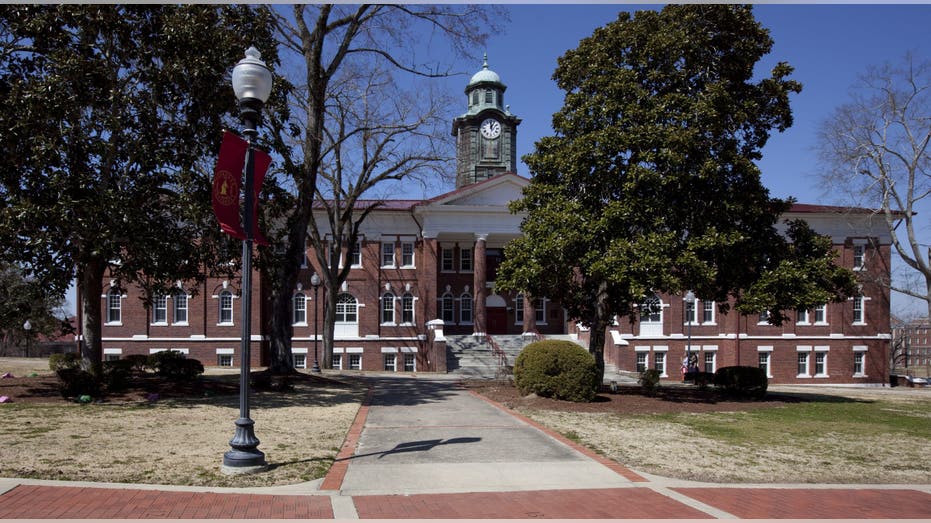

Tuskegee University President Mark Brown is defending renewed dress and conduct standards that restrict nonreligious head coverings, including durags and bonnets, in classrooms. Brown says the policy is intended to prepare students for professional expectations and improve long-term career outcomes, rather than regulate personal style. Critics argue the restrictions limit freedom of expression and may disproportionately affect clothing associated with Black culture. The university says financial assistance is available to students who need professional clothing.
| 1) | Dress standards receive renewed emphasis |
| 2) | Workplace preparation is central to the policy |
| 3) | Financial support and employment outcomes |
| 4) | Critics challenge limits on expression |
| 5) | Brown links education to long-term mobility |
Dress standards receive renewed emphasis
The policy was issued before students returned to campus and calls for business suits and shoes during business-like meetings, along with professional dress in classrooms. It also bars nonreligious head coverings. Brown said the rules are not new, but the university is placing greater emphasis on them during the current academic year in Tuskegee, Alabama.
Brown, a retired Air Force major general and Tuskegee graduate, said he observed students meeting the standards during the first two days of classes. He described the approach as an effort to establish clear expectations and reinforce a culture of discipline. “If you raise the bar, students will reach it,” Brown said.
Workplace preparation is central to the policy
Brown said the dress code is one part of a broader student-success strategy. The university is also emphasizing punctuality, attendance, internships, professional certifications, interview preparation and other workplace skills. The goal, he said, is to ensure that students leave with habits that employers expect in addition to academic credentials.
He used classroom punctuality as an example of a behavior that can affect employment later. Brown argued that allowing students to arrive late repeatedly could normalize conduct that harms them in professional settings, even if they graduate with strong grades. “We want them job-ready,” he said.
Financial support and employment outcomes
The dress requirements have raised questions about whether students can afford suits, shoes and other professional clothing. Brown said the concern is being addressed through Tuskegee’s Golden Tigers Community Closet, which provides clothing assistance to students who need it. He said approximately 70% of the university’s students are eligible for Pell Grants and that cost should not prevent compliance or professional preparation.
The university also plans to bring in a professional several times during the school year to teach practical details of business attire, including how to button a coat and wear a tie. Brown cited employment data as evidence of the university’s broader approach, saying roughly 70% of students who graduated in May already had jobs arranged.
Critics challenge limits on expression
Freedom of expression advocates have criticized restrictions on durags, bonnets and other headwear associated with Black culture. Haley Gluhanich, senior program counsel at a student-rights advocacy group, said professional preparation is a legitimate university goal but argued that it does not require regulating what adults wear to class or lunch.
“Tuskegee can’t promise students broad freedom of expression while enforcing a sweeping dress code that regulates ordinary, non-disruptive expression,” Gluhanich said.
The criticism frames the policy as a possible example of respectability politics. Brown said he recognizes broader debates about culture, discrimination and expression, but believes the university’s immediate responsibility is to prepare students for the workplaces they will enter.
Brown links education to long-term mobility
Brown said employers will judge graduates according to the realities of professional environments, regardless of how those expectations may be viewed. He referred to the history of the Tuskegee Airmen and argued that students should be prepared to demonstrate competence even while prejudice remains present in society.
He also connected the policy to concerns about the value of higher education. In his view, a university’s responsibility does not end when students receive diplomas. Education should produce a return on investment, particularly for students from economically disadvantaged backgrounds who use college as a path toward greater mobility.
| Number | Key Point |
|---|---|
| 1) | Tuskegee is placing greater emphasis on existing dress and conduct standards. |
| 2) | The policy includes professional classroom dress and restrictions on nonreligious head coverings. |
| 3) | The university says clothing assistance is available through its community closet. |
| 4) | Critics say the rules may restrict ordinary expression, while Brown presents them as career preparation. |
Summary
Tuskegee University is defending its dress code as part of a wider effort to build professional habits and improve graduate outcomes. The policy remains contested because critics see restrictions on durags, bonnets and similar headwear as limits on expression. Brown maintains that clear standards, practical support and workplace preparation are essential to helping students gain lasting value from their education.
Frequently Asked Questions
What does Tuskegee University’s dress policy require?
The policy calls for professional dress in classrooms, business suits and shoes for business-like meetings, and prohibits nonreligious head coverings such as durags and bonnets.
Why does President Mark Brown support the standards?
Brown says the standards help students practice discipline, punctuality and professional presentation before entering the workforce.
How is the university addressing clothing costs?
Brown said students who need assistance can use the Golden Tigers Community Closet to obtain professional clothing.
