

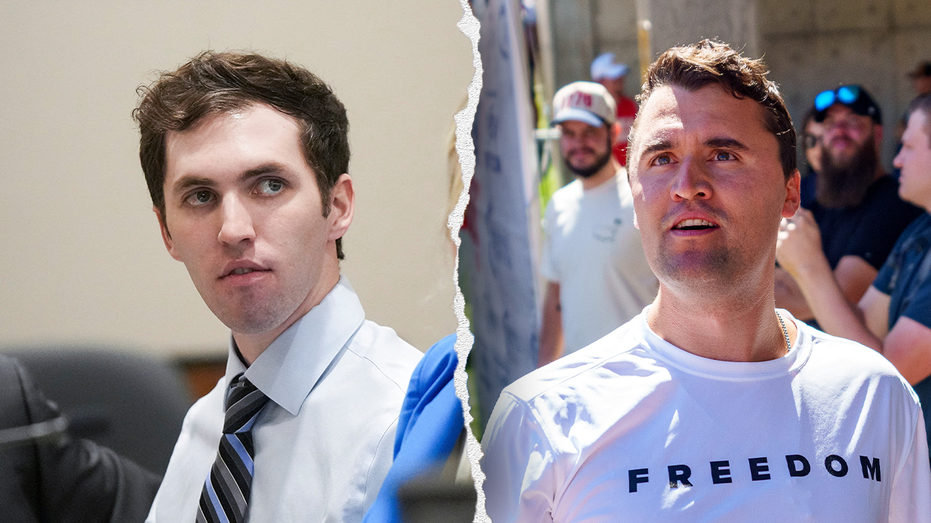

Tyler Robinson’s attorneys are asking a Utah judge to prohibit cameras and livestreaming during his Sept. 1 hearing, arguing that media coverage could turn the proceeding into a “reality TV show.” The defense says recorded arguments and testimony could expose the public to hearsay evidence that may not be admissible at trial. The hearing will focus on whether prosecutors have presented enough probable cause for the aggravated murder case to proceed.
Robinson, 23, is accused of killing Charlie Kirk at Utah Valley University in Orem on Sept. 10, 2025. He has not entered a plea.
| 1) | Defense seeks a camera ban |
| 2) | Concerns about hearsay and public bias |
| 3) | Background of the murder case |
| 4) | Purpose of the Sept. 1 hearing |
| 5) | Dispute over the death-penalty aggravating factor |
Defense seeks a camera ban
In two court filings submitted Saturday, defense attorneys Kathy Nester, Michael Burt, Richard Novak and Staci Visser again asked the judge to bar electronic media coverage from the upcoming proceeding. They argued that cameras could distract participants and increase pressure on lawyers and witnesses to perform for the public instead of concentrating on the evidence and legal issues.
“Mr. Robinson’s case is not and should not be made into a reality TV show.”
The request concerns oral arguments scheduled for Sept. 1 in the case. The defense is seeking to limit both livestreaming and the distribution of images from the courtroom.
Concerns about hearsay and public bias
Robinson’s lawyers said recorded coverage could widely circulate arguments about evidence presented during the week-long July preliminary hearing. They characterized much of that presentation as hearsay and argued that such material could influence public opinion even if it is later excluded from a trial.
The filings also contained redacted passages in which the defense claimed that evidence of developing bias could be tracked as the case received widespread attention. The attorneys further alleged that witnesses whose statements were admitted as reliable hearsay had experienced harassment from media members and other interested parties.
Background of the murder case
Tyler Robinson is accused of shooting Charlie Kirk, 31, while Kirk was speaking at a Turning Point USA event at Utah Valley University in Orem, Utah, on Sept. 10, 2025. Kirk was shot in the neck and died at the scene, according to the case account presented in court.
Evidence discussed during the July preliminary hearing included testimony from Robinson’s former roommate, Lance Twiggs, as well as text messages and a handwritten note. Prosecutors have also pointed to engraved bullets and Robinson’s conduct as evidence relevant to the allegations. The defense has objected to hearsay evidence introduced during the preliminary proceeding.
Purpose of the Sept. 1 hearing
Judge Tony Graf Jr. is scheduled to hear arguments from prosecutors and the defense about evidence introduced in July. He will then decide whether the state has shown sufficient probable cause to send Robinson to trial on the charges.
A source close to the Kirk family said Kirk’s widow, Erika Kirk, and his parents, Rob Kirk and Kathy Kirk, plan to attend the hearing together, as they did during the July proceeding. The hearing will address legal and evidentiary questions rather than determine Robinson’s guilt.
Dispute over the death-penalty aggravating factor
The defense also opposes the sole aggravating factor attached to the aggravated murder charge, which could make Robinson eligible for the death penalty. Prosecutors allege that the shooting placed other people at substantial risk of death because it occurred in a crowded location.
Robinson’s attorneys contend that only one shot was fired from an elevated position and that it traveled over the crowd before striking Kirk. Prosecutors have countered that Robinson was an inaccurate shooter who, during practice, “seldom hit the bullseye and sometimes misses the target completely” with the suspected murder weapon. The competing arguments will form part of the court’s review as it decides whether the case advances.
| Number | Key Point |
|---|---|
| 1 | The defense wants cameras and livestreaming barred on Sept. 1. |
| 2 | Lawyers say public coverage could spread hearsay and create bias. |
| 3 | The judge will decide whether probable cause supports a trial. |
| 4 | The defense disputes the alleged risk to bystanders in the shooting. |
Summary
The Sept. 1 hearing will test the prosecution’s evidence and determine whether the aggravated murder case against Tyler Robinson proceeds to trial. The defense is seeking a camera ban because it says courtroom coverage could amplify unreliable evidence, expose witnesses to harassment and influence potential jurors. The judge’s decision will address probable cause, not Robinson’s ultimate guilt or innocence.
Frequently Asked Questions
Why does the defense want cameras banned?
The defense says cameras could distract participants, increase pressure in the courtroom and spread hearsay evidence that may not be allowed at trial.
What will happen at the Sept. 1 hearing?
Judge Tony Graf Jr. will hear arguments about evidence presented during the July preliminary hearing and decide whether probable cause supports sending the case to trial.
Has Tyler Robinson entered a plea?
No. The 23-year-old defendant has not yet entered a plea.
