

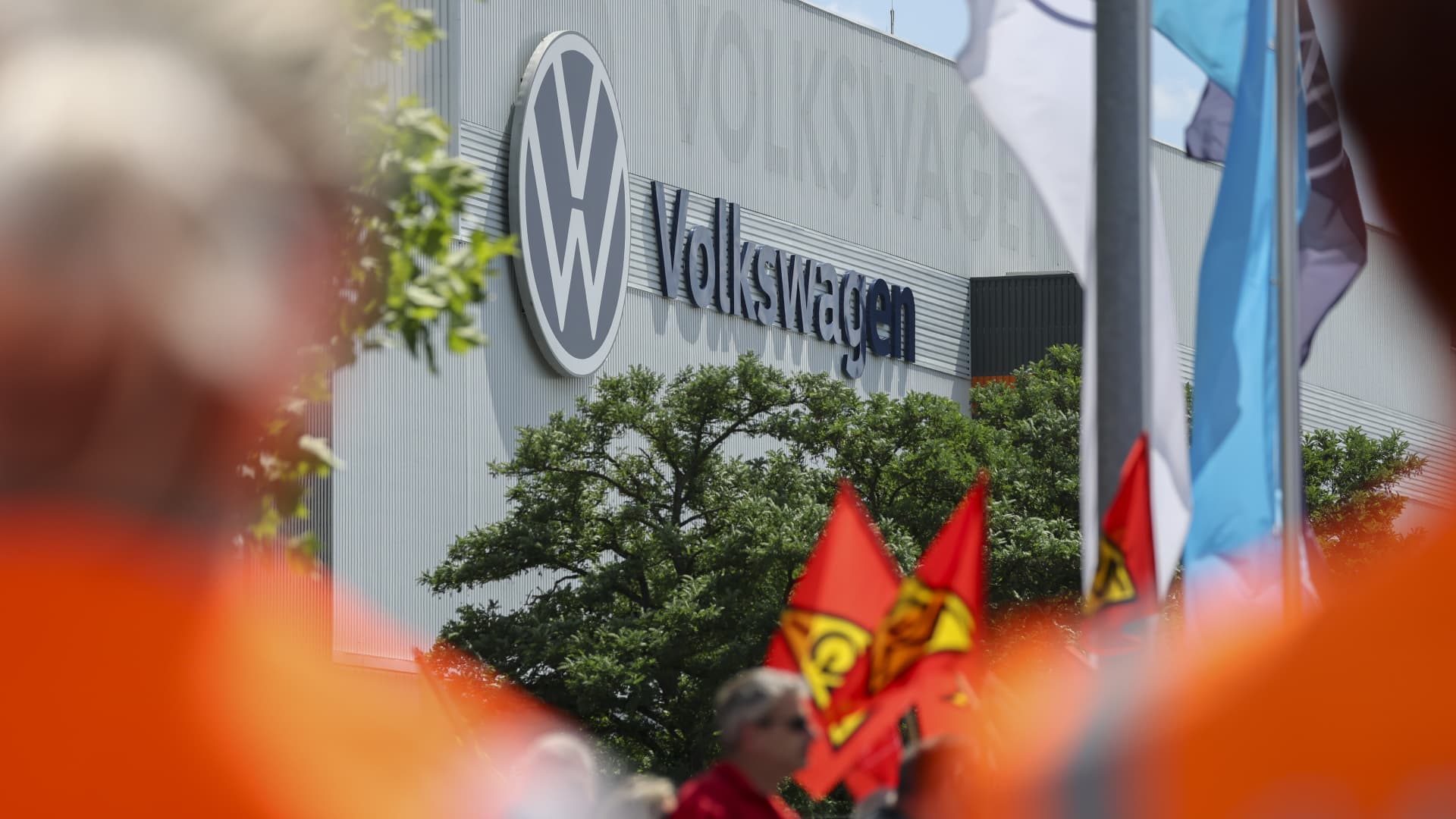

Volkswagen AG is making significant changes to its operations, announcing a plan that includes cutting 50,000 jobs as part of its ambitious Future Plan 2030. This move comes in response to rising tariff pressures and increased competition, particularly from Chinese electric vehicle manufacturers. The company aims to streamline its operations, revamping its leadership structure and model portfolio while making substantial investments to remain competitive in the evolving automotive landscape.
| Article Subheadings |
|---|
| 1) Overview of Volkswagen’s Future Plan 2030 |
| 2) Impact on Employees and Work Culture |
| 3) Financial Implications of the Restructuring |
| 4) Competitive Landscape and Market Response |
| 5) Broader Impacts on the European Automotive Industry |
Overview of Volkswagen’s Future Plan 2030
Volkswagen’s Future Plan 2030 marks a pivotal transformation initiative for the company, focusing on reshaping its future amid escalating challenges in the automotive industry. Announced recently, the plan has received endorsement from Volkswagen’s supervisory board and outlines 12 key initiatives aimed at modernizing the business. The overarching goal is to significantly reduce operational costs and enhance competitiveness by addressing the mounting pressure from global competition, particularly from China, as well as emerging technological demands in the automotive sector. The restructuring involves eliminating approximately 50,000 jobs, adding to an already announced reduction targeting a total of 100,000 positions lost over the coming years. Chief Executive Officer Oliver Blume emphasizes the importance of this change, stating, “We are taking responsibility for our entire workforce, for our partners, and for industrial jobs worldwide.”
Impact on Employees and Work Culture
The decision to cut 50,000 jobs represents a profound shift in Volkswagen’s employee landscape. This restructuring is expected to significantly impact various departments, incorporating management positions as part of the overall strategy to streamline operations. With the company’s pledge to introduce a flatter organization, the work culture may shift towards more collaborative and efficient practices, although the uncertainty it brings can create anxiety among the workforce. Employees have already started engaging in protests and informational events, like the recent gathering organized by IG Metall at the Zwickau plant. Such initiatives showcase the workforce’s concerns about job security and the future direction of the company amidst looming cuts.
Financial Implications of the Restructuring
Financially, Volkswagen’s Future Plan 2030 is equally ambitious as it seeks to address the serious profitability issues stemming from rising tariffs and global competition. The company has reported tariff-related expenses amounting to 2.9 billion euros ($3.4 billion) for 2025, a burden that has notably affected its financial standing. By reducing its workforce and reshaping its operational model, Volkswagen aims to cut costs significantly, allowing for increased investment into product development, including electric vehicles. Analysts have expressed that despite Volkswagen’s challenges, the market may view this restructuring as a strategic necessity for survival, pushing the company towards recovery after a tumultuous financial period.
Competitive Landscape and Market Response
As part of its forward-looking strategy, Volkswagen faces fierce competition from international players, notably Chinese manufacturers like BYD and Geely, who have gained significant market share through aggressive pricing and innovations in electric vehicle production. The landscape has changed considerably, with domestic European manufacturers needing to adapt quickly to maintain their competitive edge. Recent analysis indicates that Volkswagen’s announcement successfully prompted a positive market reaction, with a notable increase in share values following the public unveiling of Future Plan 2030. Industry analysts assert this transformation positions Volkswagen to reclaim its stature in the auto market, enhancing its ability to deliver products that meet current consumer demands.
Broader Impacts on the European Automotive Industry
Volkswagen’s restructuring decision is reflective of larger trends impacting the European automotive industry as a whole, where manufacturers find themselves grappling with overcapacity and the influx of competitively priced vehicles from China. Industry experts, like Kevin Thozet from Carmignac, note that VW’s struggles with excess manufacturing capabilities mirror challenges faced across the continent. The drastic restructuring of Volkswagen may herald a wave of similar adjustments within the broader automotive sector, pushing other manufacturers to reconsider operational strategies, leadership structures, and product portfolios to navigate the shifting landscape successfully.
| No. | Key Points |
|---|---|
| 1 | Volkswagen plans to eliminate 50,000 jobs as part of a transformational strategy. |
| 2 | The company has received approval for its Future Plan 2030 designed to enhance competitiveness. |
| 3 | The restructuring aims to streamline operational processes through flattening the organizational hierarchy. |
| 4 | Volkswagen is facing increasing financial pressures from tariffs and competition, significantly impacting profitability. |
| 5 | The decisions made by Volkswagen may encourage other European car manufacturers to adapt similarly to market pressures. |
Summary
In summary, Volkswagen’s Future Plan 2030 represents a critical juncture for the company, aiming to address significant challenges posed by global competition and shifting market demands. The proposed job cuts, although difficult for the workforce, are seen as vital for ensuring the company’s long-term sustainability in a rapidly evolving automotive landscape. As Volkswagen restructures its operations and makes substantial investments, it may set a precedent for other manufacturers in Europe, reflecting the need for industry-wide adaptation to maintain relevance and competitiveness.
Frequently Asked Questions
Question: What is Volkswagen’s Future Plan 2030?
Volkswagen’s Future Plan 2030 is a strategic initiative designed to transform the company by implementing 12 key initiatives aimed at improving operational efficiency, reducing costs, and enhancing competitiveness amidst escalating global competition.
Question: How will the job cuts impact Volkswagen’s workforce?
The proposed elimination of 50,000 jobs will fundamentally alter Volkswagen’s workforce composition, leading to a flatter and more reorganized company structure, but it also raises concerns about job security and the future work culture within the company.
Question: What challenges is Volkswagen facing in the market?
Volkswagen is grappling with rising tariff costs, increased competition from lower-priced Chinese electric vehicles, and a need to adapt its product offerings to align with changing consumer demands in the automotive market.
