

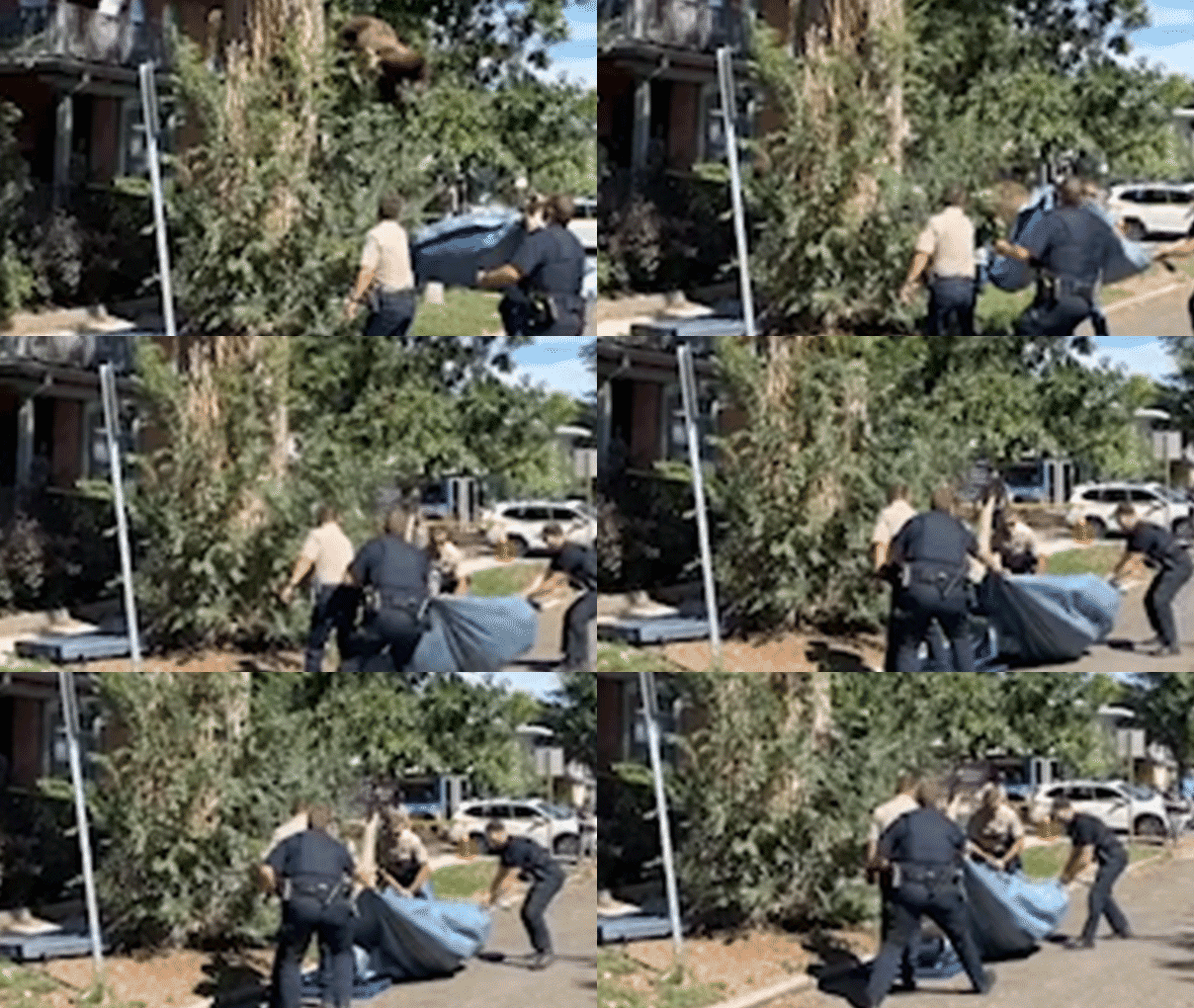

A young black bear was tranquilized and removed from a tree in a Denver neighborhood on Aug. 23, 2026, after wildlife officers responded to reports of the animal near Louisiana Avenue and Pennsylvania Street. The approximately 1.5-year-old male, weighing about 100 pounds, fell through branches as officers and Denver police prepared to secure him. Officials said the bear was unharmed despite the rough landing and would be relocated to better habitat. The rescue came as Colorado reported a sharp increase in bear sightings and conflicts, with drought conditions pushing animals into neighborhoods in search of food.
The incident highlights the growing interaction between wildlife and residents in urban areas during a season when bears are seeking calories before winter.
Colorado wildlife officials are urging residents to remove potential food sources and secure trash to reduce the risk of additional encounters.
The Denver response also followed the recent relocation of a mother bear and cub from the city’s Harvey Park neighborhood.
Article Subheadings
| 1) | Bear falls during Denver rescue |
| 2) | Wildlife officers coordinate relocation |
| 3) | Drought linked to rising conflicts |
| 4) | Officials issue prevention guidance |
| 5) | Recent encounters underscore urban activity |
Bear falls during Denver rescue
Wildlife officers responded on Aug. 23 to a young black bear perched in a tree near Louisiana Avenue and Pennsylvania Street in Denver. The animal was an approximately 1.5-year-old male yearling weighing about 100 pounds. Because the bear was in a populated area, officers tranquilized it before attempting to bring it down safely.
As the sedated bear moved through the branches, it dropped from the tree. Video from the response showed the animal falling through several branches before officers secured it on the ground. Officials acknowledged that the landing was not smooth but said the bear was okay.
Wildlife officers coordinate relocation
Colorado wildlife officers worked with Denver Police Department officers during the operation. Their role was to control the scene, catch the bear as it fell and prepare it for transport after the tranquilizer took effect.
The bear was then slated to be transported away from the neighborhood and released in more suitable habitat. Relocation was chosen because the animal had entered an urban setting where access to human food could increase the risk of repeated conflicts.
Drought linked to rising conflicts
The Denver rescue occurred during a year in which Colorado wildlife officials reported substantially more bear activity. From Jan. 1 through Aug. 13, the agency received 6,129 reports of bear sightings and conflicts, compared with 3,115 during the same period in the previous year.
Officials attributed the increase in part to drought conditions and dwindling natural food supplies. With fewer resources available in the wild, bears are moving into neighborhoods to look for food. The agency said residents are not imagining the increase in encounters and warned that bears may remain active as they build fat reserves for winter.
Officials issue prevention guidance
Wildlife officials are advising Colorado residents to reduce attractants around homes. They recommend securing trash until the morning of collection, removing bird feeders and keeping vehicles and windows locked.
These steps are intended to prevent bears from finding easily accessible food in residential areas. The guidance applies especially during the period before winter, when bears are searching for enough calories to support their fat reserves. Limiting food access can help reduce the likelihood that a bear will remain in a neighborhood and require intervention.
Recent encounters underscore urban activity
The tree rescue was one of several recent bear incidents in Denver. Just days earlier, a mother bear and cub entered the city’s Harvey Park neighborhood and remained in the populated area for several days.
Wildlife officers tranquilized and relocated both animals. Together, the incidents show how drought-related food shortages can bring bears into densely settled areas, where officers may need to intervene to protect residents and move the animals to more suitable surroundings.
Key Points
| Number | Key Point |
|---|---|
| 1 | A 100-pound yearling bear was rescued from a tree near Louisiana Avenue and Pennsylvania Street in Denver. |
| 2 | The bear was tranquilized, fell through the branches and was secured by wildlife and police officers. |
| 3 | Colorado recorded 6,129 bear sightings and conflict reports through Aug. 13, compared with 3,115 during the same period last year. |
| 4 | Officials linked the increase to drought and urged residents to secure trash, remove bird feeders and lock cars and windows. |
Summary
A young bear’s removal from a Denver tree reflects a broader increase in Colorado bear activity this year. Drought conditions are reducing natural food supplies and drawing more animals into neighborhoods. Officials say residents can help prevent conflicts by eliminating accessible food sources while wildlife personnel relocate bears that remain in populated areas.
Frequently Asked Questions
What happened to the bear in Denver?
Wildlife officers tranquilized a young black bear in a tree near Louisiana Avenue and Pennsylvania Street. It fell through the branches during the rescue, was secured on the ground and was reported to be okay.
How large was the bear?
Officials identified it as an approximately 1.5-year-old male yearling weighing about 100 pounds.
Why are more bears entering Colorado neighborhoods?
Wildlife officials linked the increase to drought conditions and dwindling natural food sources, which are pushing bears into neighborhoods in search of food.
How can residents reduce bear conflicts?
Officials recommend securing trash until collection morning, removing bird feeders and keeping cars and windows locked so bears cannot find food around homes.
