

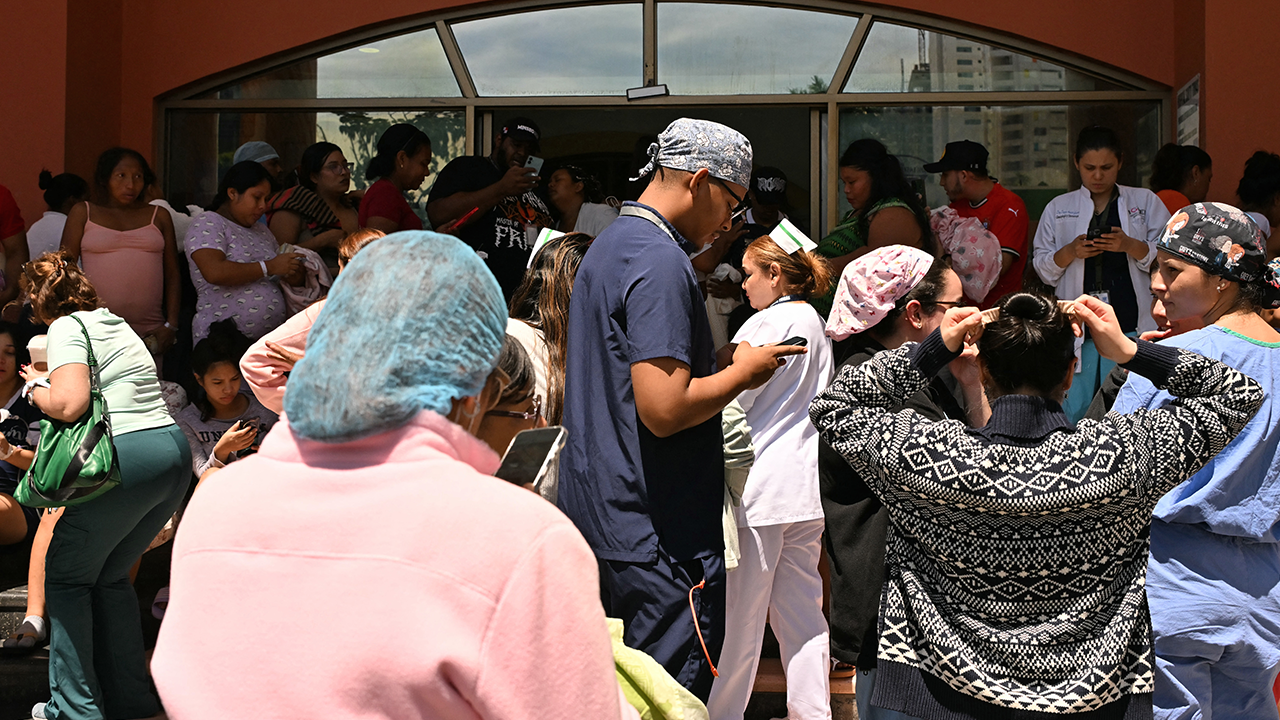

A magnitude 7.7 earthquake struck off the southern coast of Panama on Friday, sending tremors through the capital city and raising concerns about potential tsunami threats. The quake, which occurred at 1:56 p.m. ET, was initially measured at 8.0 by the U.S. Geological Survey before being revised down. Following the primary quake, a 5.5 magnitude aftershock was recorded approximately 50 miles east of the epicenter as authorities began assessing the impact.
| Article Subheadings |
|---|
| 1) Overview of the Earthquake and Initial Reactions |
| 2) Emergency Response and Safety Assessments |
| 3) Regional tsunami warnings and Effects |
| 4) Government Actions and International Assistance |
| 5) Public Reactions and Ongoing Updates |
Overview of the Earthquake and Initial Reactions
On Friday, October 9, 2026, a powerful earthquake measuring 7.7 in magnitude struck near the southern coast of Panama, near Pitaloza Arriba. The United States Geological Survey (USGS) initially recorded the earthquake at a magnitude of 8.0 before adjusting it downward. The quake occurred at a depth of approximately 7.8 miles, indicating it was relatively shallow, which often leads to stronger surface shaking. Residents in Panama City experienced significant tremors, prompting instant reactions from emergency services and concerns about infrastructural damage. Eyewitnesses reported buildings swaying and public alarms sounding as people evacuated buildings, seeking safety in open areas.
Emergency Response and Safety Assessments
In the aftermath of the earthquake, local authorities activated emergency protocols to assess the extent of the impact on infrastructure and public safety. The Panama Canal Authority stated that operations continued without interruption, though safety checks and structural assessments of the canal’s facilities were initiated. Technicians and emergency crews were mobilized to evaluate any damage and ensure the safety of workers, vessels, and the surrounding community. Panama’s President, José Raúl Mulino, took to social media to announce his visits to the affected zones and coordinated efforts for emergency aid. He emphasized the importance of rapid response to protect lives and limit damage, deploying resources throughout the affected regions.
Regional tsunami warnings and Effects
In response to the earthquake, tsunami warnings were issued for coastal areas of Panama and parts of neighboring countries such as Ecuador and Costa Rica. The National Oceanic and Atmospheric Administration (NOAA) indicated potential tsunami waves ranging from 3 to 10 feet above tide levels along certain Panamanian coasts. Across the region, smaller tsunami waves of less than 1 foot were forecast for various coastal areas, including Colombia, Guatemala, and Mexico. This prompted beach evacuations and heightened concerns for maritime safety as officials monitored the unfolding situation closely. Fortunately, as assessments progressed, it was confirmed that a significant Pacific-wide tsunami was not anticipated, reducing initial fears across the broader region.
Government Actions and International Assistance
President José Raúl Mulino announced the mobilization of government resources to aid affected communities, including personnel and equipment for structural assessments and urgent assistance. The government expressed gratitude for offers of support from neighboring nations and international partners, including aid from the Development Bank of Latin America and the Caribbean (CAF). U.S. Secretary of State Marco Rubio stated that the United States had initiated aid efforts upon request from the Panamanian government, underlining the commitment to assist those affected. The U.S. Embassy in Panama also began assessing damage and ensuring the safety of American citizens, emphasizing its readiness to provide necessary assistance.
Public Reactions and Ongoing Updates
As news of the earthquake spread, public reactions ranged from expressions of concern to calls for updates on potential aftershocks and safety measures. Social media platforms buzzed with posts sharing experiences of the quake, alongside safety tips for earthquake preparedness. Many citizens expressed gratitude for emergency services’ swift responses, while others raised questions regarding repair timelines for damaged structures and public safety protocols in the wake of such natural disasters. Local authorities continued to provide updates as emergency personnel evaluated the situation, assuring the public that further information would be disseminated as it became available, especially concerning potential casualties and infrastructural implications.
| No. | Key Points |
|---|---|
| 1 | A magnitude 7.7 earthquake struck near Panama’s southern coast, affecting the wider region. |
| 2 | Emergency protocols were activated to assess safety and damage across the impacted areas. |
| 3 | Tsunami warnings were issued; however, a significant Pacific-wide tsunami was not expected. |
| 4 | The government announced mobilization for aid and resources to support communities in need. |
| 5 | Public concern remained high, with appeals for safety updates and information on recovery efforts. |
Summary
The strong earthquake off Panama’s southern coast on Friday has ignited widespread concern and emergency responses in the country and beyond. Through effective immediate actions, local and international authorities are working to ensure public safety while assessing the damage. With ongoing evaluation of potential tsunami threats and the mobilization of aid resources, collaborative efforts aim to facilitate recovery in the affected regions.
Frequently Asked Questions
Question: What was the magnitude of the earthquake that struck Panama?
The earthquake measured 7.7 in magnitude, initially reported as 8.0 before being adjusted by the U.S. Geological Survey.
Question: Was a tsunami triggered by the earthquake?
Tsunami warnings were issued, predicting potential waves of up to 10 feet for certain coastal areas of Panama, but a significant widespread tsunami was not expected.
Question: What steps is the government taking to assist affected communities?
The government has mobilized resources and personnel for assessments and emergency aid, while also seeking assistance from international partners.
