

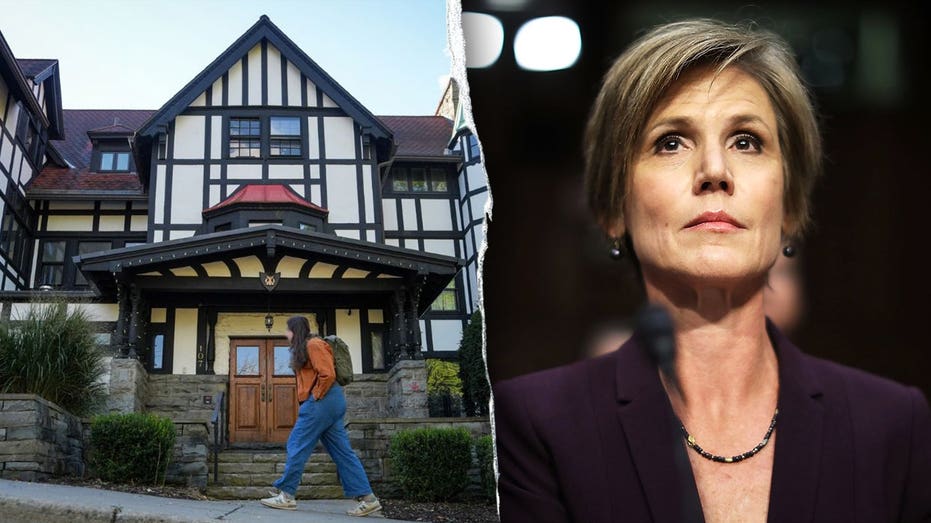

A key Cornell University police interview could receive renewed scrutiny as former Deputy Attorney General Sally Yates reviews the university’s handling of alleged sexual assaults involving Chi Phi fraternity members. The interview was reportedly included in Cornell’s records but was not initially provided in full to the Tompkins County District Attorney’s Office. The review follows a university disciplinary process that resulted in expulsions and suspensions. No criminal charges have been filed against the seven accused men.
| 1) | The police interview at the center of the review |
|---|---|
| 2) | Cornell’s disciplinary investigation and findings |
| 3) | The scope and possible consequences of Yates’ review |
| 4) | Due process concerns in campus proceedings |
| 5) | The broader human and institutional impact |
The police interview at the center of the review
The woman identified in court papers as Jane Doe told Cornell University Police during a November 2024 interview that she was completely certain she had been raped. According to a transcript, she described subsequent sexual activity as coercive and said she had been incapacitated. Tompkins County District Attorney Matthew Van Houten said his office initially reviewed a six-page sworn statement that characterized the sexual activity and drug use as voluntary and consensual.
Van Houten said prosecutors did not initially receive the complete interview and later stated that the fuller account changed his assessment of the case. Attorney Scott Iseman said Yates could compare the interview with the sworn statement, later testimony and other evidence. He cautioned that he had not reviewed the unavailable recording and could not determine whether omitted material was significant.
Cornell’s disciplinary investigation and findings
Cornell said its police department provided prosecutors with the sworn statement and a Snapchat screenshot in 2024, describing that process as standard when a possible crime is reported. It remains unclear why the full police interview was not initially sent to the district attorney’s office. Cornell said its internal investigation included more than 50 interviews and 12 days of disciplinary hearings.
University President Michael Kotlikoff said two of the seven accused students were expelled, two were suspended for at least two semesters, one had graduated before discipline could be imposed and two were found not responsible for sexual misconduct. Cornell said both the accuser and the accused could review evidence, testify, challenge findings and use the appeals process.
The scope and possible consequences of Yates’ review
Sally Yates was appointed by Cornell’s trustees after the allegations became the subject of national controversy and a September 16 lawsuit. Her team at King & Spalding will examine Cornell’s response to the Chi Phi allegations and its broader handling of sexual misconduct complaints, including oversight of fraternities, sororities and other student organizations.
The review will assess Cornell’s practices under federal and state law and the university’s own procedures. Yates is expected to have access to records, case files, personnel and university leaders. Her team could identify additional witnesses, messages, social media material or other evidence. Relevant information could potentially be shared with New York Attorney General Letitia James’ office, which is conducting a separate criminal investigation. Yates does not have authority to bring criminal charges.
Due process concerns in campus proceedings
The case has raised questions about differences between university disciplinary proceedings and criminal prosecutions. Attorney and former police officer John R. Grasso said students accused of serious misconduct may face expulsion and lasting reputational harm without the discovery tools available in criminal court.
Grasso said defense attorneys in campus cases generally cannot compel the production of text messages, photographs or other records. He also described a conflict when campus proceedings overlap with a criminal investigation: participating may create statements that affect a criminal case, while declining to participate can carry disciplinary risks.
The broader human and institutional impact
The allegations have prompted campus protests and intensified debate over how universities investigate sexual misconduct while protecting complainants and accused students. The seven men have denied wrongdoing, with some saying the sexual activity was consensual and others denying that they participated. The allegations concern an October 2024 gathering at the Chi Phi house in Ithaca involving claims of alcohol, drugs and group sexual activity.
Cornell’s review could produce recommendations even if investigators conclude that the university followed its existing rules. The trustees’ special committee is expected to receive Yates’ findings and recommendations, which Cornell has said it intends to share with the university community. The facts remain under review.
| Number | Key Point |
|---|---|
| 1 | The full November 2024 police interview was reportedly not initially provided to prosecutors. |
| 2 | Cornell’s disciplinary process involved more than 50 interviews and 12 days of hearings. |
| 3 | Two students were expelled, two were suspended and two were found not responsible. |
| 4 | No criminal charges have been filed against the seven accused men. |
Summary
Yates’ review will examine whether Cornell properly handled the allegations, including whether prosecutors received a complete police interview. The inquiry may clarify discrepancies in the evidence, assess university procedures and recommend changes, but it will not determine criminal liability. The separate investigation by the New York attorney general remains ongoing.
Frequently Asked Questions
What is Sally Yates reviewing?
She is reviewing Cornell’s response to the Chi Phi allegations and the university’s broader policies for handling sexual misconduct and overseeing student organizations.
Why is the police interview significant?
Prosecutors initially reviewed a shorter sworn statement, while the full interview reportedly contained additional allegations and context. It remains unclear whether the omitted material would affect the case.
Have criminal charges been filed?
No criminal charges have been filed against the seven accused men. The New York attorney general’s office is conducting a separate criminal investigation.
What could result from the review?
The review could produce findings and recommendations for Cornell, identify evidence for investigators and lead to changes in university procedures. Yates does not have authority to bring criminal charges.
