

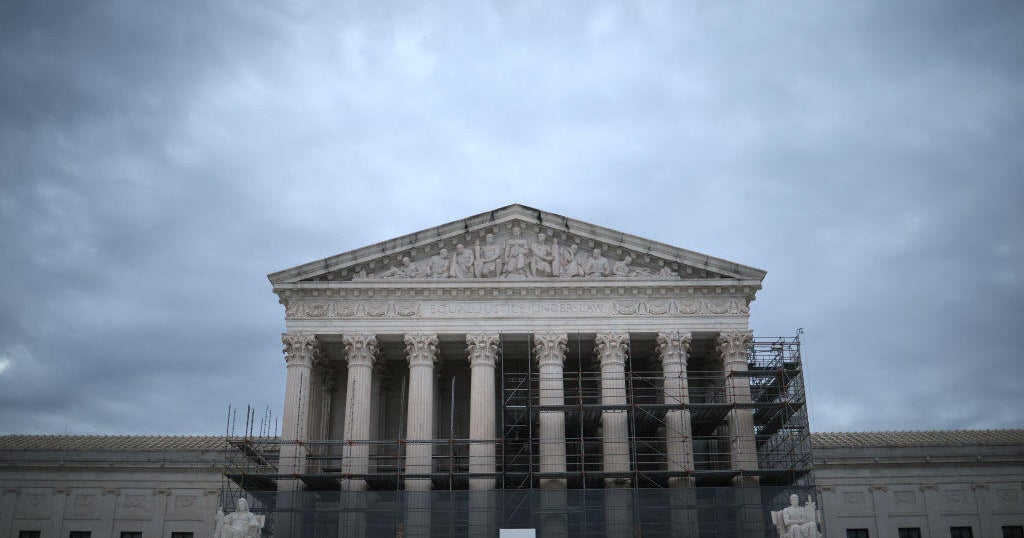

On Monday, the Supreme Court opted not to review a defamation case initiated by notable casino magnate and former Trump donor Steve Wynn, which could have led to a reevaluation of a critical landmark ruling established in 1964. This decision originates from the case known as New York Times Company v. Sullivan, which set a high bar for public figures seeking to win defamation lawsuits by requiring proof of “actual malice.” In 2018, Wynn sued the Associated Press over its reporting related to sexual misconduct allegations, a legal battle that continues to draw attention to the delicate balance between First Amendment rights and private reputations.
| Article Subheadings |
|---|
| 1) Overview of the Court’s Decision |
| 2) Background on New York Times v. Sullivan |
| 3) Impact of the Ruling on Public Figures |
| 4) Wynn’s Legal Battle |
| 5) Future Implications for Defamation Law |
Overview of the Court’s Decision
The Supreme Court’s decision not to take up Steve Wynn‘s case signifies the Court’s stance on maintaining established legal precedents concerning defamation law. This decision followed Wynn’s petition to revisit the New York Times Company v. Sullivan standard, which remains a major influence in determining the legal landscape for public figures challenging defamatory statements. The Court’s refusal to engage in a review represents a continued commitment to the First Amendment’s protections for free press, as understood since the landmark case nearly six decades ago.
By not accommodating Wynn’s appeal, the Supreme Court effectively reinforced the principle that public figures face a higher burden of proof in defamation cases. To succeed, they must demonstrate that a statement was made with actual malice—a standard that safeguards free dialogue about individuals in the public eye, which is critical for a democratic society.
Background on New York Times v. Sullivan
The case of New York Times v. Sullivan originated from an advertisement published in the New York Times that solicited funds to support civil rights leader Martin Luther King Jr.. The advertisement contained several factual inaccuracies, leading to a libel suit from Lester Sullivan, Montgomery’s public safety commissioner, who felt he was unfairly depicted. The Supreme Court, in a unanimous ruling in 1964, ruled that public officials must prove a higher level of fault—actual malice—when claiming defamation. This was groundbreaking as it strengthened the First Amendment by promoting a free and uninhibited press.
The ruling established that public figures are subject to scrutiny and accountability regarding their actions, albeit with the understanding that the press must also be able to report on such matters without undue fear of litigation. This foundational case has since protected a wide array of journalistic investigations and controversial commentary necessary for a functioning democracy.
Impact of the Ruling on Public Figures
The implications of the Sullivan decision resonate throughout the media landscape today, as it shapes how public figures navigate the intersection of private reputation and public scrutiny. Under this precedent, celebrities, politicians, and other individuals in visible positions face significant challenges in claiming defamation. This standard encourages greater freedom of expression yet complicates the path to justice for those who may be wrongfully accused or misrepresented.
Throughout the years, the ruling has faced criticism, notably from some conservatives who argue that it creates an unbalanced playing field favoring the media. For example, Justices Clarence Thomas and Neil Gorsuch have expressed a desire to reevaluate the necessity of the actual malice standard, believing it may unjustly protect the press at the expense of individual rights. However, First Amendment advocates contend that this standard serves as a protective measure for journalistic freedom and essential public discourse.
Wynn’s Legal Battle
In 2018, Steve Wynn filed a lawsuit against the Associated Press, stemming from its coverage of sexual misconduct allegations against him. The coverage included claims regarding incidents dating back to the 1970s, which Wynn has denied vehemently. Filing this suit against a news organization was interpreted as an aggressive response to allegations that culminated in his resignation as CEO of Wynn Resorts and also led him to resign from his position as finance chairman for the Republican National Committee.
The AP’s reporting was significant not only due to its scrutiny of Wynn’s past conduct but also because the allegations reflected broader issues of sexual misconduct in the industry, especially during the wave of the #MeToo movement. Wynn’s legal battles are emblematic of heightened tensions between individuals facing serious assertions of wrongdoing and the ethical responsibility of the press to relay such information to the public.
Future Implications for Defamation Law
As the Supreme Court remains firm in its decision to uphold the actual malice standard, the implications for future defamation suits brought by public figures are clear. Any changes in this legal framework could come only through new cases reaching the Court that might challenge the precedent set by the original Sullivan ruling. The landscape continues to evolve, particularly as newer legal and social challenges arise in an increasingly digital age, where misinformation can spread rapidly and broadly.
Moreover, as seen in Wynn’s case, the balance between protecting reputational interests and safeguarding press freedoms will undoubtedly remain a contentious area within legal and public discourse. The evolving nature of journalism, social media dynamics, and societal values surrounding accountability and transparency will continue to influence how defamation law is interpreted and enforced in the years to come.
| No. | Key Points |
|---|---|
| 1 | The Supreme Court declined to hear Steve Wynn‘s case, maintaining the established high standard for public figures in defamation suits. |
| 2 | The New York Times v. Sullivan case revolutionized defamation law, requiring public figures to prove actual malice for successful claims. |
| 3 | Public figures face significant hurdles in defamation litigation, both encouraging accountability and protecting free speech rights. |
| 4 | Steve Wynn’s lawsuit against the Associated Press highlights the complexities of navigating reputation in light of past misconduct allegations. |
| 5 | Future challenges to defamation law may arise as societal norms and media landscapes evolve in response to digital communication trends. |
Summary
The Supreme Court’s decision to not hear Steve Wynn‘s appeal underscores the enduring significance of the New York Times v. Sullivan ruling in contemporary defamation law. The actual malice standard remains a vital bulwark for safeguarding First Amendment freedoms, while simultaneously setting a high threshold for public figures like Wynn who seek legal recourse for perceived slights. As the landscape of media and public discourse continues to evolve, the implications of this ruling will remain critical, especially for those caught in the crosshairs of public scrutiny.
Frequently Asked Questions
Question: What is defamation?
Defamation is a legal claim that a statement has been made about an individual that is false and has caused harm to their reputation. It can be categorized into libel (written statements) and slander (spoken statements).
Question: What does the term “actual malice” mean in defamation law?
“Actual malice” refers to the requirement that public figures must prove that the defamatory statement was made with knowledge of its falsity or with reckless disregard for the truth.
Question: Why is the New York Times v. Sullivan case important?
The New York Times v. Sullivan case is crucial because it established the actual malice standard, which is essential for protecting freedom of the press and allowing open debate about public figures without fear of unwarranted legal actions.
