

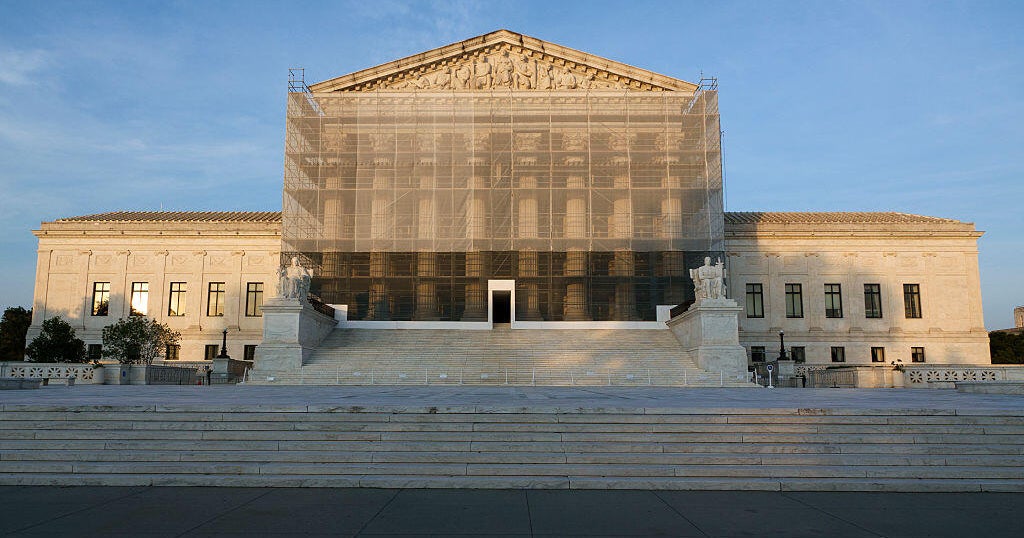

On Thursday, the U.S. Supreme Court decisively cleared the way for South Carolina to exclude Planned Parenthood from its Medicaid program, ruling against a challenge brought by the organization. The court, in a 6-3 decision, determined that neither Planned Parenthood nor any patient could sue to enforce rights under the Medicaid Act, significantly affecting the accessibility of healthcare services in the state. This ruling could embolden other states to follow South Carolina’s lead in restricting funds for Planned Parenthood, amidst a broader national discourse on reproductive rights and healthcare provision.
| Article Subheadings |
|---|
| 1) Overview of the Supreme Court’s Decision |
| 2) Background of the Medicaid Challenge |
| 3) Impacts on Healthcare Accessibility |
| 4) Broader Implications for Reproductive Rights |
| 5) Future Prospects for Similar Legal Challenges |
Overview of the Supreme Court’s Decision
The Supreme Court’s ruling in the case of Medina v. Planned Parenthood South Atlantic concluded that Planned Parenthood and individuals cannot take legal action against the state of South Carolina to ensure compliance with the Medicaid Act’s provisions. This decision reversed a previous ruling from the U.S. Court of Appeals for the 4th Circuit, which had allowed the legal challenge to proceed. Justice Neil Gorsuch authored the court’s opinion, while the dissent was expressed by liberal justices Sonia Sotomayor, Elena Kagan, and Ketanji Brown Jackson.
The core issue debated in the Supreme Court revolved around whether individuals on Medicaid have the right to choose their healthcare providers and whether they can litigate when that right is violated. The majority’s decision highlights a growing trend in judicial doctrines that question the enforceability of such rights, particularly as they relate to services provided by organizations like Planned Parenthood.
Background of the Medicaid Challenge
The legal discourse surrounding Planned Parenthood in South Carolina began in earnest in 2018. At that time, Henry McMaster, the state’s Republican governor, mandated state health officials to eliminate the funding of any abortion providers under the Medicaid program. This executive order created a precedent that has garnered support from anti-abortion advocates who argue that public funds should not contribute to organizations offering abortion services.
Planned Parenthood South Atlantic, which operates clinics in Charleston and Columbia, has contended that its range of services extends beyond abortion. It provides crucial healthcare services such as prenatal care, postpartum services, and cancer screenings, which are vital for many women in the state. The executive action prompted Julie Edwards, a patient receiving services from Planned Parenthood, to file a lawsuit under federal civil rights laws challenging the termination of the organization’s Medicaid agreements.
Impacts on Healthcare Accessibility
The Supreme Court’s decision is expected to significantly alter the landscape of healthcare accessibility in South Carolina. Planned Parenthood’s removal from the Medicaid program may restrict healthcare options for low-income individuals who traditionally rely on these services. The repercussions of this ruling extend beyond just one organization; it could lead to a domino effect prompting other states to follow suit, thereby limiting the healthcare choices available to those in need.
Healthcare advocates stress that this ruling jeopardizes the ability of disadvantaged populations to receive necessary medical care. For many individuals, the services provided by Planned Parenthood are not merely options, but critical lifelines to health resources. As states move to restrict Medicaid eligibility based on the provider, the essential care offered at these facilities may become increasingly limited.
Broader Implications for Reproductive Rights
This ruling does not just represent a setback for Planned Parenthood; it also sheds light on the evolving legal landscape surrounding reproductive rights in the United States. Following the Supreme Court’s overturning of Roe v. Wade, states have been emboldened to push for more restrictive measures regarding abortion and reproductive health services. The decision signals a robust legal backing for states aiming to cut funding to organizations that provide such services.
Critics argue that this ruling is emblematic of a troubling trend that could further marginalize reproductive healthcare providers. As states increasingly seek to remove access to these essential services, the long-term effects on women’s health could be significant. The court’s decision reflects ongoing debates about the intersection of healthcare access and personal choice, raising substantial concerns about the future of reproductive rights in America.
Future Prospects for Similar Legal Challenges
The Supreme Court’s ruling could serve as a precedent for similar legal challenges across the United States. As conservative states push to limit funding to organizations like Planned Parenthood, this decision may encourage further litigation against Medicaid obligations at the state level. Legal experts observe that if states can effectively eliminate funds for certain providers, the landscape of healthcare access will be irrevocably changed.
In light of this ruling, advocates for reproductive rights are mobilizing to respond to what they perceive as a direct threat to the autonomy of healthcare providers. Upcoming legislative sessions in various states may witness a rise in proposals aimed at securing access to healthcare services against similar exclusions. Monitoring how states may interpret and implement this ruling will be crucial for stakeholders invested in public health outcomes.
| No. | Key Points |
|---|---|
| 1 | The Supreme Court ruled 6-3 against Planned Parenthood’s challenge to South Carolina’s Medicaid program exclusion. |
| 2 | The decision limits the ability of individuals to enforce rights under the Medicaid Act. |
| 3 | Governor Henry McMaster initiated actions that led to the legal challenges surrounding Medicaid funding. |
| 4 | The ruling threatens healthcare accessibility for low-income individuals relying on Planned Parenthood. |
| 5 | Legal experts predict further challenges to healthcare funding across conservative states. |
Summary
The Supreme Court’s recent ruling in favor of South Carolina against Planned Parenthood marks a significant moment in the ongoing struggle over reproductive rights and healthcare access in the United States. As the decision potentially invites further restrictions on Medicaid funding for reproductive health services, advocates stress that the implications for women’s healthcare could be dire. With the legal landscape shifting, the forthcoming months will likely witness intensified advocacy efforts aimed at countering the trends initiated by this ruling.
Frequently Asked Questions
Question: What is the significance of the Supreme Court’s ruling?
The ruling empowers states to bar certain providers from receiving Medicaid funds, notably impacting organizations like Planned Parenthood.
Question: What services does Planned Parenthood offer?
Planned Parenthood provides a range of services, including prenatal care, cancer screenings, and reproductive health education, alongside abortion services where allowed.
Question: How might this ruling affect other states?
The ruling could embolden other conservative states to implement similar restrictions on Medicaid funding for organizations providing reproductive health services, potentially narrowing healthcare access nationwide.
