

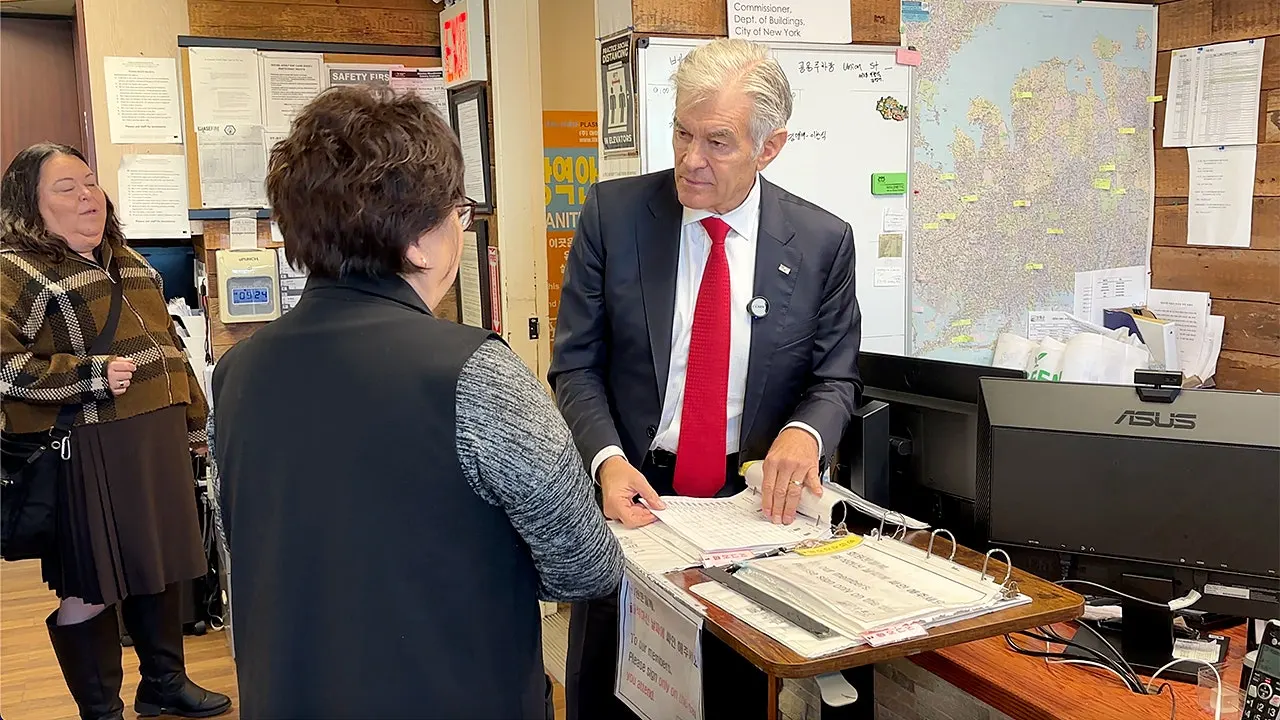

In an effort to expose and combat healthcare fraud, Dr. Mehmet Oz, the Administrator of the Centers for Medicare and Medicaid Services (CMS), is releasing a new documentary titled “War on Fraud.” The 27-minute film unveils various fraud schemes targeting Medicare and Medicaid, including elaborate scams and organized crime involvement. This initiative comes as federal agencies ramp up efforts to address significant financial losses in taxpayer-funded healthcare programs, showcasing the depth of the issue across the United States.
| Article Subheadings |
|---|
| 1) Examination of Healthcare Fraud |
| 2) The Documentary’s Focus and Content |
| 3) Recent Investigations and Their Findings |
| 4) Government’s Response and Policy Changes |
| 5) Future Implications of the Fraud Crackdown |
Examination of Healthcare Fraud
Healthcare fraud represents a serious and escalating issue impacting American taxpayers and the integrity of public health programs. This form of fraud often manifests through fraudulent billing practices, where providers submit claims for services that were either never rendered or not medically necessary. The Centers for Medicare and Medicaid Services estimate that billions annually are lost as a result of such schemes, prompting a concerted response from federal agencies.
The urgency of these efforts stems from the necessity of protecting vulnerable populations who rely on these services. Typically, these frauds exploit the reliance of seniors on Medicaid and Medicare programs, undermining the critical support these systems provide. The magnitude of the impact leads to higher premiums for all participants in the system and can negatively affect the quality of care received by beneficiaries.
From the standpoint of law enforcement, tackling healthcare fraud presents numerous challenges due to its complexity and the technical knowledge required to investigate such scams effectively. Many times, fraud rings are sophisticated operations that involve numerous entities, including fraudulent clinics, medical supply companies, and sometimes even colluding physicians.
The Documentary’s Focus and Content
“War on Fraud” emphasizes the alarming reach of these fraud schemes. Directed by Dr. Oz, the documentary interweaves personal narratives with investigative reporting to underline the human cost of fraud. It features insights from various stakeholders, including federal officials, healthcare providers, and recipients of Medicare and Medicaid services, providing a multi-faceted view of the current landscape.
A significant aspect of the documentary is its examination of hospice care services, which Dr. Oz highlights as a particularly vulnerable area for potential fraud. Usage of hospice services, when misrepresented, can lead to patients being enrolled under false pretenses, which limits their access to necessary treatments. The documentary cites a specific concentration of hospice providers in Los Angeles that raised red flags, indicating a breeding ground for fraudulent activities.
The documentary aims to inform the public about how to recognize red flags in billing practices, which could help prevent further exploitation of the system. Key topics include how patients can protect themselves from being unwitting participants in healthcare scams and what signs to look for in potentially fraudulent billing.
Recent Investigations and Their Findings
In conjunction with the documentary’s launch, recent investigations have yielded substantial findings in regard to questionable billing practices among New York City social adult daycare centers. On October 20, investigators from multiple agencies, including the FBI and local police departments, conducted searches and delivered warning letters to over 80 providers suspected of engaging in fraudulent billing practices.
Dr. Oz observed a variety of irregularities during these inspections, such as low attendance at facilities that billed high amounts to Medicaid, questionable charges for wheelchair transportation, and instances where individuals entered without proper sign-ins. Some centers even had sign-in sheets with future-dated entries, raising suspicion about their operations. These discoveries underscore the need for stringent oversight and accountability.
Moreover, the use of organized crime tactics in some fraud cases is alarming. Dr. Oz noted potential connections involving Russian crime syndicates, with allegations of enrolling patients under false declarations of terminal illnesses. This revelation portrays a disconcerting intersection of organized crime and healthcare fraud, warranting urgent measures for reform and investigation.
Government’s Response and Policy Changes
In response to the flourishing nature of healthcare fraud, government agencies have initiated various reforms aimed at fortifying the system against such practices. Under the leadership of Vice President JD Vance, a task force dedicated to combating fraud in taxpayer-funded programs has been formed. This task force collaborates with agencies like the CMS and the FBI to coordinate efforts to identify and eliminate fraudsters.
The CMS is not only focusing on strengthening enforcement tactics but is also invested in transparency measures that provide the public with better access to understand billing practices and potential warning signs. Training programs aimed at healthcare providers are being developed to enhance awareness around fraudulent schemes.
Significant cases, like the $250 million “Feeding Our Future” scandal in Minnesota, have drawn national attention and served as catalysts for policy changes. With ongoing legal proceedings and numerous convictions resulting from these fraud investigations, the government aims to restore public trust in healthcare programs and ensure that taxpayer money is spent appropriately.
Future Implications of the Fraud Crackdown
The implications of this nationwide crackdown on healthcare fraud are substantial. Not only do they aim to deter future fraudulent activities, but they also intend to foster a culture of integrity within the healthcare system. As federal authorities enhance their investigative capacities and implement preventive measures, the hope is to reduce the overall cost of fraud on taxpayers and improve care delivery to those in need.
The documentary serves as both an informational tool and a rallying cry for citizens to become vigilant against potential fraud in healthcare systems. By raising awareness, it empowers them with the knowledge to report suspicious activities and allows for grassroots efforts to support governmental initiatives.
Ultimately, the success of these efforts will hinge on the continued collaboration among federal agencies, local law enforcement, and the communities they serve. Such alliances are crucial in dismantling the networks that perpetuate healthcare fraud and ensuring accountability in healthcare provision across the nation.
| No. | Key Points |
|---|---|
| 1 | Dr. Mehmet Oz highlights Medicare and Medicaid fraud in a new documentary. |
| 2 | More than 80 New York City daycare providers received warnings regarding billing practices. |
| 3 | Investigations involve various agencies, including the FBI and CMS. |
| 4 | The documentary urges public vigilance against healthcare fraud. |
| 5 | Government strategies are evolving to combat healthcare fraud effectively. |
Summary
The release of “War on Fraud” marks a critical step in addressing healthcare fraud, highlighting the systemic risks and financial losses associated with these deceptive practices. As federal and local authorities intensify their focus on curbing fraud in Medicare and Medicaid programs, this initiative aims not only to recover lost funds but also to restore trust in public healthcare systems. The coordinated efforts depicted in the documentary suggest an ongoing commitment to rigorous enforcement, education, and public awareness, essential for safeguarding taxpayer interests and ensuring that the most vulnerable populations receive the care they deserve.
Frequently Asked Questions
Question: What is the main focus of the documentary “War on Fraud”?
The documentary primarily focuses on exposing various fraudulent schemes targeting Medicare and Medicaid, including organized crime involvement in fraudulent healthcare practices.
Question: How are recent investigations addressing healthcare fraud in New York City?
Recent investigations have led to searches and warnings issued to over 80 daycare providers suspected of fraudulent billing practices, with rigorous scrutiny by federal and local law enforcement agencies.
Question: Why is hospice care highlighted in the documentary as prone to fraud?
Hospice care is highlighted due to allegations of patients being enrolled under false claims of terminal illness, which can limit their access to necessary medical care while allowing fraudulent operators to bill Medicare under false pretenses.
