

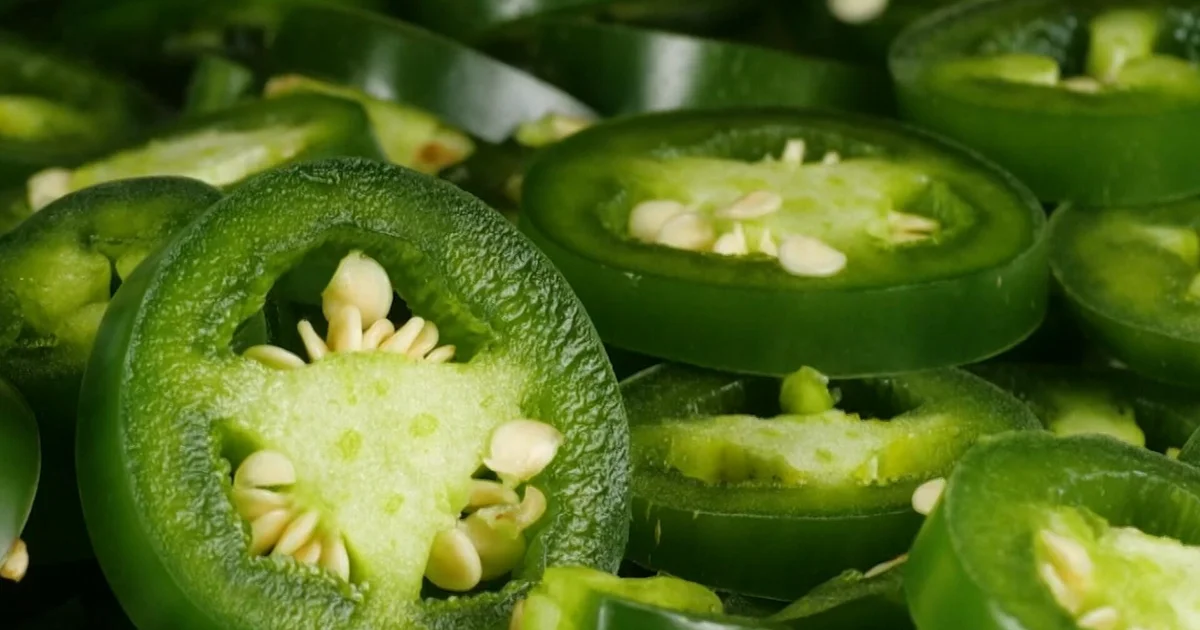

A Minnesota woman is taking legal action against Chipotle after being hospitalized due to a salmonella outbreak linked to contaminated jalapeño peppers. The lawsuit, filed by Kristen Behne, claims that Chipotle served food that resulted in over 200 illnesses across multiple states. Following her consumption of a chicken burrito bowl, Behne developed sepsis, and the case has opened up discussions about food safety and the responsibilities of restaurants.
| Article Subheadings |
|---|
| 1) Health Consequences of Contamination |
| 2) The Legal Action Against Chipotle |
| 3) Outbreak’s Wider Impact |
| 4) Food Safety Measures and Responsibilities |
| 5) Historical Context of Foodborne Illnesses |
Health Consequences of Contamination
The health implications of the alleged contamination are severe. Kristen Behne, who consumed the burrito bowl at a Chipotle location in Roseville, Minnesota, experienced distressing symptoms just three days after her meal. She fainted and developed a high fever, which reached 102 degrees, ultimately leading to her hospitalization due to sepsis, a life-threatening condition that arises from the body’s extreme response to infection. After spending several days in the hospital, she was discharged, but her recovery has been slow and incomplete, according to her claims.
Genetic tests linked her infection to a larger outbreak, with officials estimating more than 200 related illnesses across the nation. The Minnesota Department of Health categorized her case as outbreak-associated, underscoring the severity of the situation. Health experts note that foodborne illnesses can affect people in various ways, with severe cases resulting in significant healthcare needs, long-term health complications, or even mortality.
The Legal Action Against Chipotle
In response to her medical crisis, Behne has initiated legal proceedings against Chipotle, seeking over $75,000 in damages. The lawsuit was filed in the U.S. District Court in Minnesota, outlining the chain of events leading to her illness. Given the gravity of her condition and the reported widespread illness due to salmonella-tainted peppers, her attorneys argue that Chipotle failed in its duty of care to ensure food safety.
“It seems like Minnesota has kind of taken the brunt of this,” said attorney Ryan Osterholm, representing Behne.
Osterholm emphasizes that this issue is likely just the beginning, hinting that many others affected may come forward. The lawsuit includes concerns regarding Chipotle’s history with foodborne illnesses, referring to past incidents that have raised questions about the company’s food safety protocols. The intention is not only to provide compensation for victims but to spur effective changes in food safety measures within the restaurant chain.
Outbreak’s Wider Impact
The salmonella outbreak has expanded beyond Minnesota, with the CDC reporting that at least 345 illnesses have been confirmed across 27 states as of recently. These figures include numerous hospitalizations, sparking alarm among public health officials. The ramifications are considerable, as the outbreak can result in both reputational damage for the restaurant chain and increased scrutiny from regulatory bodies.
Chipotle confirmed that they proactively removed affected jalapeño peppers from their restaurants and replaced them with safer alternatives. However, experts argue that the effects of such outbreaks can linger, making consumers wary of dining out at establishments with previous contamination issues.
Food Safety Measures and Responsibilities
Food safety experts emphasize that foodborne outbreaks usually trace back to contamination originating at the farm level, highlighting the importance of rigorous food handling and safety protocols. According to former FDA associate commissioner Peter Pitts, many of these issues often begin well before products reach restaurants. This indicates a need for comprehensive food safety measures that encompass the entire supply chain, from farming through distribution.
Despite Chipotle’s recent actions to address the outbreak, critics insist that they should have anticipated the risks associated with their ingredients. The lawsuit references a troubling history of foodborne illness incidents involving Chipotle, which has been subject to several public health investigations over the years. This ongoing scrutiny raises critical questions regarding their commitment to consumer safety.
Historical Context of Foodborne Illnesses
This incident is not isolated, as Chipotle has faced numerous public health challenges in the past, including a well-documented salmonella outbreak in Minnesota in 2015 that affected 64 individuals. The company previously paid a significant criminal fine following outbreaks that sickened over 1,100 people between 2015 and 2018. Such historical precedents raise concerns about whether the chain has effectively learned from past mistakes.
In this context, Osterholm suggests that this recent lawsuit might lead to subsequent legal actions as they gather further information about Chipotle’s knowledge regarding the risks associated with their food supply. If litigation proceeds, it may unveil deeper issues surrounding food safety practices within one of America’s most renowned fast-casual dining establishments.
| No. | Key Points |
|---|---|
| 1 | A Minnesota woman fell ill after consuming a burrito bowl from Chipotle. |
| 2 | The outbreak has resulted in over 200 confirmed cases of salmonella across multiple states. |
| 3 | Chipotle has removed the contaminated jalapeño peppers from its restaurants. |
| 4 | The lawsuit highlights Chipotle’s history of food safety issues. |
| 5 | Public health officials emphasize the need for improved food safety measures within the supply chain. |
Summary
This salmonella outbreak linked to Chipotle and the subsequent lawsuit by Kristen Behne have raised significant concerns over food safety practices in the restaurant industry. With the ongoing investigation, many are left wondering about Chipotle’s accountability and commitment to consumer well-being. This case serves as a stark reminder of the potential consequences of foodborne illness and the importance of ensuring safe food handling at every stage of the supply chain.
Frequently Asked Questions
Question: What are the health risks associated with salmonella?
Salmonella infection can lead to various health issues, including fever, diarrhea, vomiting, and abdominal cramps. In severe cases, it can result in hospitalization and even death, especially among vulnerable populations.
Question: How can foodborne outbreaks be prevented?
Preventing foodborne outbreaks requires stringent safety practices, including proper ingredient sourcing, cooking, and storage methods, along with routine inspections to ensure compliance with health regulations.
Question: What should consumers do if they believe they have contracted foodborne illness?
Individuals who suspect they have contracted a foodborne illness should seek medical attention immediately, report their illness to their local health department, and document any relevant information about their dining experience.
