

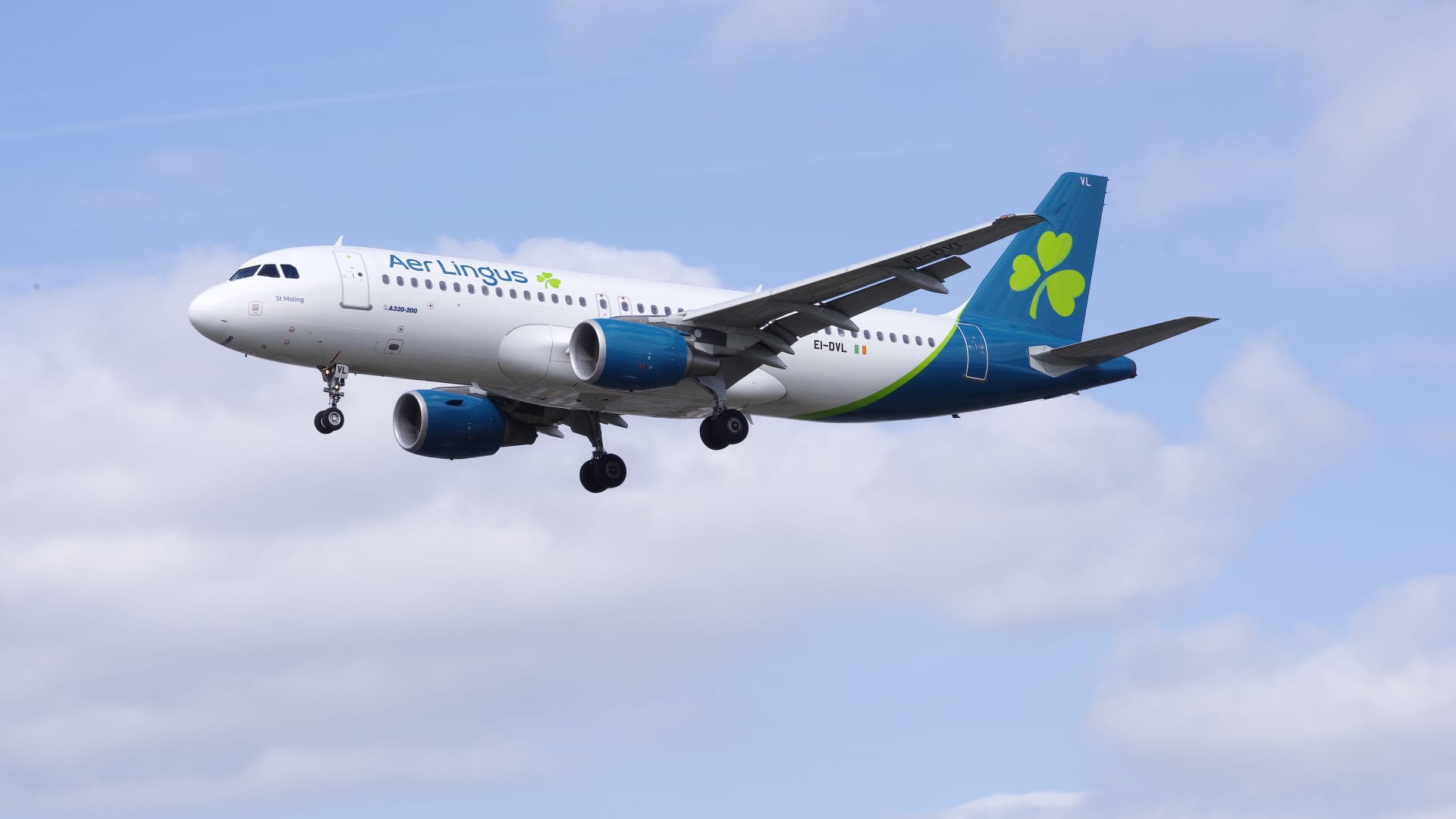

In a troubling week for European aviation, more than two dozen bomb threats have been reported, resulting in flight diversions, emergency landings, and military escorts impacting air travel across the continent. The rise in these hoaxes has not led to any actual explosives being found; however, officials are taking the situation seriously given the ramifications of even false alarms on airline operations. Experts in aviation security are voicing concerns over the potential for coordinated actions by unidentified actors, heightening the tension in an industry already facing roadblocks from recent travel disruptions.
| Article Subheadings |
|---|
| 1) Overview of the Situation |
| 2) Reactions from Security Experts |
| 3) Coordinated Responses to Threats |
| 4) Economic and Operational Impact |
| 5) Future Implications and Responses |
Overview of the Situation
This week, the European aviation sector has been rocked by a surge in bomb threats targeting passenger flights, with multiple incidents involving diversion and emergency responses. Initial reports indicate that these threats, comprising more than two dozen separate incidents across various airlines, appear to be coordinated and malicious hoaxes meant to incite fear among travelers. Among the airlines significantly affected was Irish carrier Aer Lingus, which diverted its flight service from Dublin to Rome in response to a specific bomb threat.
Authorities reported no actual devices were discovered during searches triggered by the threats. Nonetheless, the implications of such incidents are far-reaching, creating panic among passengers and prompting calls for tighter security measures across airports and airlines. Aviation experts have noted that disruptions like these can significantly hinder air traffic efficiency in an already strained industry recovering from previous limitations caused by pandemic measures.
Reactions from Security Experts
Security analysts are expressing alarm over the unusual volume and nature of these threats. Wilfried Covent, head of the security consulting firm Covent Consulting, remarked on the abnormality of such coordinated threats throughout his career in the aviation security domain. He stated,
“What we see now is a systematic attack on airlines and airports.”
Covent and other specialists suggest that these suspect actions may be the work of state-backed groups intending to disrupt public life in Europe through fear and chaos.
Covent explained that the strategies employed by these ‘criminals’ target what he considers aviation’s weakest point: in-flight operations. Whereas threats directed at airports might allow for more controlled responses and assessments, the specificity of threats against flights in motion requires immediate action. Thus, they provoke rapid responses that lead to significant operational disruptions.
Coordinated Responses to Threats
The response to these bomb threats is a multifaceted effort involving various national and international agencies. National aviation authorities bear the primary responsibility for security assessments and the implementation of necessary measures when threats arise. This process often includes coordination with airport operators, airlines, and law enforcement agencies to ensure swift action can be taken when a threat is verified.
Air Traffic Control (ATC) plays an integral role as well, facilitating the landing of aircraft in safe locations while evaluating the scope of the threat. Notably, aviation safety agencies, such as the European Union Aviation Safety Agency (EASA), provide overarching regulations to ensure that all airlines maintain consistency in their security protocols. Given the variations in threat severity, operational decisions are dictated by the immediate circumstances, leading to either evacuation procedures or expedited landings as deemed necessary by the flight crew.
Economic and Operational Impact
The cascading effects of these diversions extend beyond immediate safety concerns and have tangible economic consequences for affected airlines. Estimates suggest that each diversion could result in costs upward of $250,000 when encompassing factors like replacement crews, missed connections, and additional operational strain. Experts warn that these diversions disrupt a carefully calibrated system that relies on predictability and efficiency, ultimately leading to greater frustrations for passengers and crew alike.
Philip Baum, a visiting professor of aviation security, elaborated on the operational strains that are precipitated by diversions. Each incident leads airlines to reevaluate their scheduling, add extra flights to accommodate passengers, and manage potential fallout from delayed or re-routed services. The disruptions can exacerbate existing troubles in an airline industry grappling with a rise in travel demand, compounding the pressure on an already stretched workforce.
Future Implications and Responses
In light of the ongoing situation, national governments across Europe are expected to reassess their aviation security protocols. Discussions at both the European and global levels are already underway to determine how to effectively handle an apparent uptick in such hoax threats. According to John Edwards, a senior consultant at Gates Aviation, it is crucial for authorities to analyze why these threats have become so prevalent and assess their credibility based on established risk assessment procedures.
However, as high levels of geopolitics may influence these discussions, tackling the issue will likely require a balance of diverse perspectives among countries, airports, and safety authorities. While immediate tactical solutions could help mitigate the fallout from possible future threats, experts are divided on how quickly changes to protocols could be implemented. Nevertheless, they agree on the necessity for proactive preparations to thwart similar actions in the future.
| No. | Key Points |
|---|---|
| 1 | A significant spike in bomb threats has destabilized European airspace, affecting numerous flights. |
| 2 | Experts suspect the bomb threats may stem from coordinated efforts by unidentified state-backed actors. |
| 3 | Delays and diversions resulting from these threats impose considerable financial costs on airlines and displace passengers. |
| 4 | Coordination between national authorities, law enforcement, and safety agencies is crucial in managing responses to such incidents. |
| 5 | Future discussions at governmental and international levels aim to address the rising frequency of these threats and fortify aviation security protocols. |
Summary
As the European aviation industry grapples with an unprecedented series of bomb threats, the call for heightened security measures is more urgent than ever. With experts warning of systemic vulnerabilities and economic repercussions, the situation presents significant challenges not just for airlines, but also for nation-states charged with ensuring public safety. Moving forward, discussions regarding aviation policy will need to incorporate rigorous assessments of perceived threats while maintaining the delicate balance of air travel efficiency and passenger safety.
Frequently Asked Questions
Question: What are the main effects of these bomb threats on aviation?
The bomb threats have led to flight diversions and emergency landings, creating significant disruption, increased operational costs for airlines, and a heightened sense of fear among passengers.
Question: Why are these threats particularly concerning for flights in motion?
Threats directed at aircraft in flight require immediate and decisive action due to potential risks to passengers and crew, triggering strict safety protocols that escalate responses.
Question: How are security agencies responding to the spate of bomb threats?
National authorities are collaborating with airport operators and law enforcement to assess and manage the threats, while also reviewing existing aviation security protocols to prevent future incidents.
