

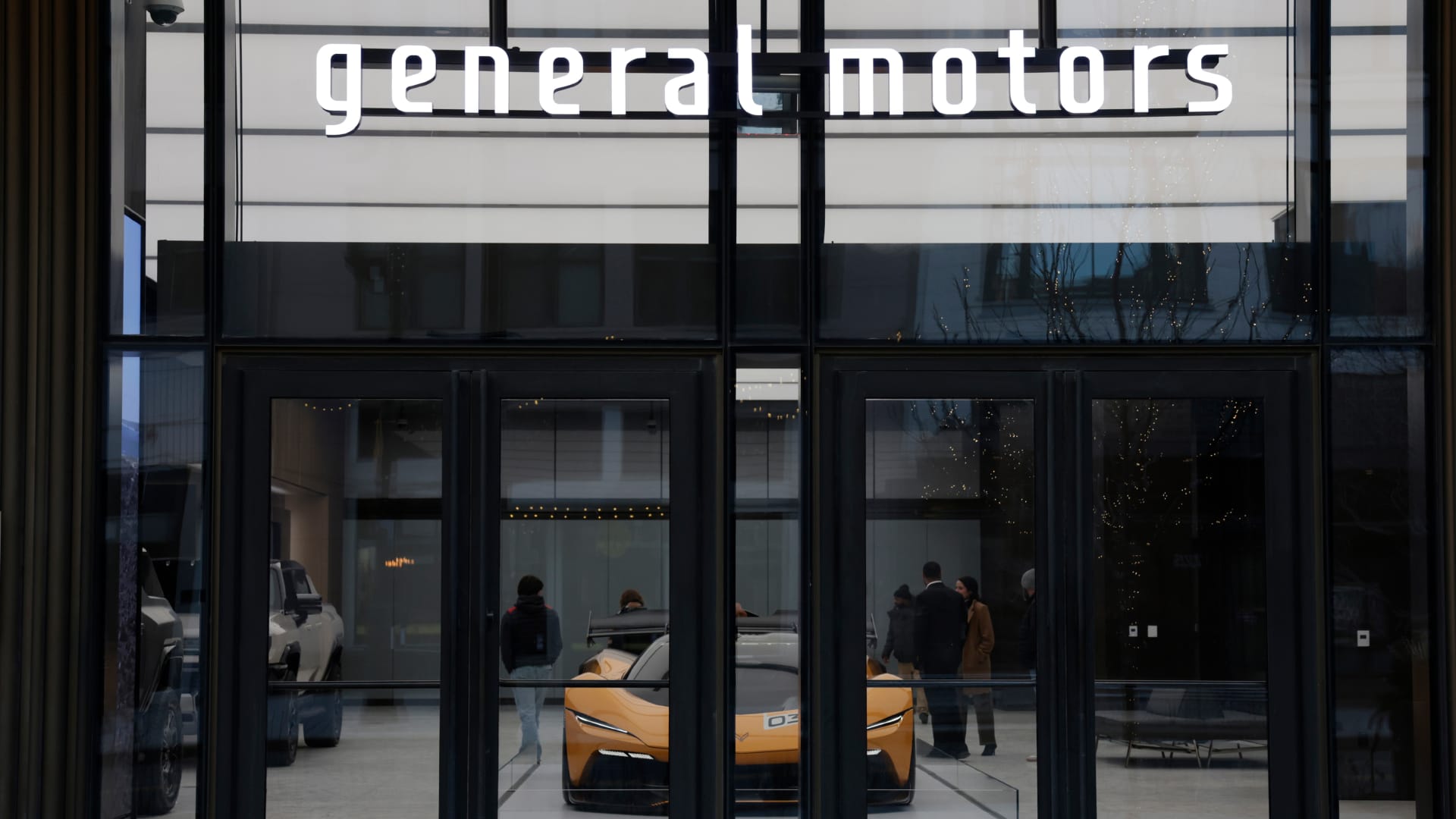

DETROIT — In a strategic move to safeguard its operations and streamline its supply chain, General Motors (GM) has announced a multibillion-dollar parts deal to address persistent supply chain challenges affecting the automotive industry. This agreement, valued at up to $4.5 billion, involves funding from key banks for a company that specializes in sourcing hard-to-find parts. By facilitating prepayments to suppliers, GM aims to enhance its inventory management while circumventing potential disruptions.
| Article Subheadings |
|---|
| 1) Overview of GM’s Innovative Deal |
| 2) Financial Structure of the Agreement |
| 3) Strategic Goals Behind the Deal |
| 4) Supply Chain Context and Industry Challenges |
| 5) Future Implications for GM and the Automotive Sector |
Overview of GM’s Innovative Deal
General Motors’ recent announcement unveils a groundbreaking deal focusing on a purchasing facility that could reach up to $4.5 billion. This arrangement is pointed at addressing vital supply chain issues that have plagued the automotive industry in recent years. The deal involves a partnership with Procura Auto Parts, which excels in procuring rare or critical components needed for vehicle production. GM’s strategy is built on enhancing its inventory sourcing capabilities amid a tumultuous supply chain landscape, which has been significantly impacted by various disruptions.
GM filed the details of the deal publicly, revealing that the financial backing for this arrangement will come through a banking syndicate that includes notable institutions like JPMorgan Chase and Banco Santander. This funding will be used to prepay suppliers for critical parts, enabling GM to secure the necessary components for vehicle production without feeling the immediate pressure on its cash flow. The unique structure of the arrangement demonstrates GM’s proactive approach towards mitigating risks tied to inventory shortages.
Financial Structure of the Agreement
The financial framework of GM’s deal involves issuing irrevocable payment undertakings (IPUs) to Procura Auto Parts. These IPUs will ensure that GM commits to repaying the company after utilizing the parts, with a deadline set for July 31, 2029. This arrangement serves a dual purpose: it allows GM to sidestep immediate inventory costs while securing the essential materials needed for continuing operations. The company is expected to pay interest on the funds drawn, alongside a predetermined premium based on the quantities utilized.
According to the publicly available filing, GM will also incur customary annual fees on any unused portions of the financing during the fiscal year. This strategic method of handling inventory reflects an innovative approach to cash management, ensuring that GM can maintain liquidity while investing in essential raw materials. Furthermore, each payment will appear as an asset for accounting purposes, while the purchases will be recorded as unsecured debt, thereby minimizing impact on reported cash flows.
Strategic Goals Behind the Deal
The primary motivation behind GM’s multibillion-dollar deal is to secure a reliable and consistent supply chain amidst growing national and international tensions, alongside shifting trade regulations. The automotive industry has faced numerous challenges in recent years, especially related to sourcing parts such as semiconductor chips and rare-earth metals, which are critical for modern manufacturing processes. As a result, GM is endeavoring to reevaluate its sourcing strategies, emphasizing new avenues for procurement that minimize reliance on potentially unstable suppliers.
This deal also comes in light of recent U.S. tariffs and the desire to reduce dependencies on foreign companies, particularly those based in China. GM’s collaboration with Procura Auto Parts positions the company to navigate these complex dynamics more effectively. This approach not only enhances operational stability but also strengthens GM’s competitive edge as the industry continues to reinvent itself and adapt to more stringent market pressures.
Supply Chain Context and Industry Challenges
The automotive sector has been tumultuously affected by various supply chain disruptions over the past several years, leading to production delays and economic challenges. The COVID-19 pandemic highlighted vulnerabilities in the global supply chain, prompting automakers to reconsider their sourcing strategies significantly. An ongoing shortage of semiconductor chips has been especially paramount, resulting in factory shutdowns and reduced vehicle production rates across several major manufacturers.
Given these turbulent conditions, GM’s initiative to secure critical components through this new deal appears to be a well-timed response to avoid being at the mercy of external suppliers. The automotive market’s transition toward electric vehicles has further intensified the demand for specific parts. Manufacturers are urged to innovate while navigating a landscape filled with unpredictability. This backdrop underscores the necessity for GM’s proactive investment strategy to ensure it has access to essential parts devoid of disruptions.
Future Implications for GM and the Automotive Sector
As GM embarks on this ambitious deal, the implications extend beyond its immediate operational needs. Should the arrangement prove successful, it could serve as a model for other automakers facing similar challenges. The concerted effort to maintain robust relationships with suppliers, alongside innovative financing structures, might redefine how manufacturers approach their procurement processes.
Moreover, GM’s proactive approach could strengthen investor confidence, illustrating a commitment to adaptability and resilience in times of crisis. As other automakers reevaluate their strategies in light of such initiatives, a ripple effect could occur, prompting larger shifts within the automotive supply landscape. This could lead to a more robust framework for sourcing and financing, which is critical as the industry collectively transitions toward more sustainable practices in manufacturing.
| No. | Key Points |
|---|---|
| 1 | GM’s up to $4.5 billion deal focuses on securing critical parts to enhance supply chain stability. |
| 2 | Procura Auto Parts will be funded through a syndicate led by major banks to facilitate prepayments to suppliers. |
| 3 | The deal includes irrevocable payment undertakings from GM to ensure payment post-utilization of parts. |
| 4 | The automotive industry continues to face disruptions, particularly with semiconductor supplies. |
| 5 | GM’s proactive strategy may set precedents for future supply chain financing in the automotive sector. |
Summary
The multibillion-dollar parts deal established by General Motors marks a significant step forward in managing supply chain challenges within the automotive sector. By securing essential components through innovative financing strategies, GM illustrates a commitment to operational resilience, potentially influencing industry practices. As automotive manufacturers face ongoing challenges due to global disruptions, GM’s proactive approach could serve as a vital benchmark for others navigating a complex and evolving landscape.
Frequently Asked Questions
Question: What prompted GM to make this deal?
GM’s deal is a strategic response to prolonged supply chain disruptions, particularly regarding critical components like semiconductor chips, which have impacted production capabilities.
Question: Who is involved in financing the deal?
The deal is financially supported by a syndicate of banks, including JPMorgan Chase and Banco Santander, which will help facilitate prepaid transactions with suppliers.
Question: How does this deal affect GM’s cash flow?
By prepaying suppliers, GM can manage its cash flow more effectively while keeping inventory costs off its books until the components are actually used in production.
