

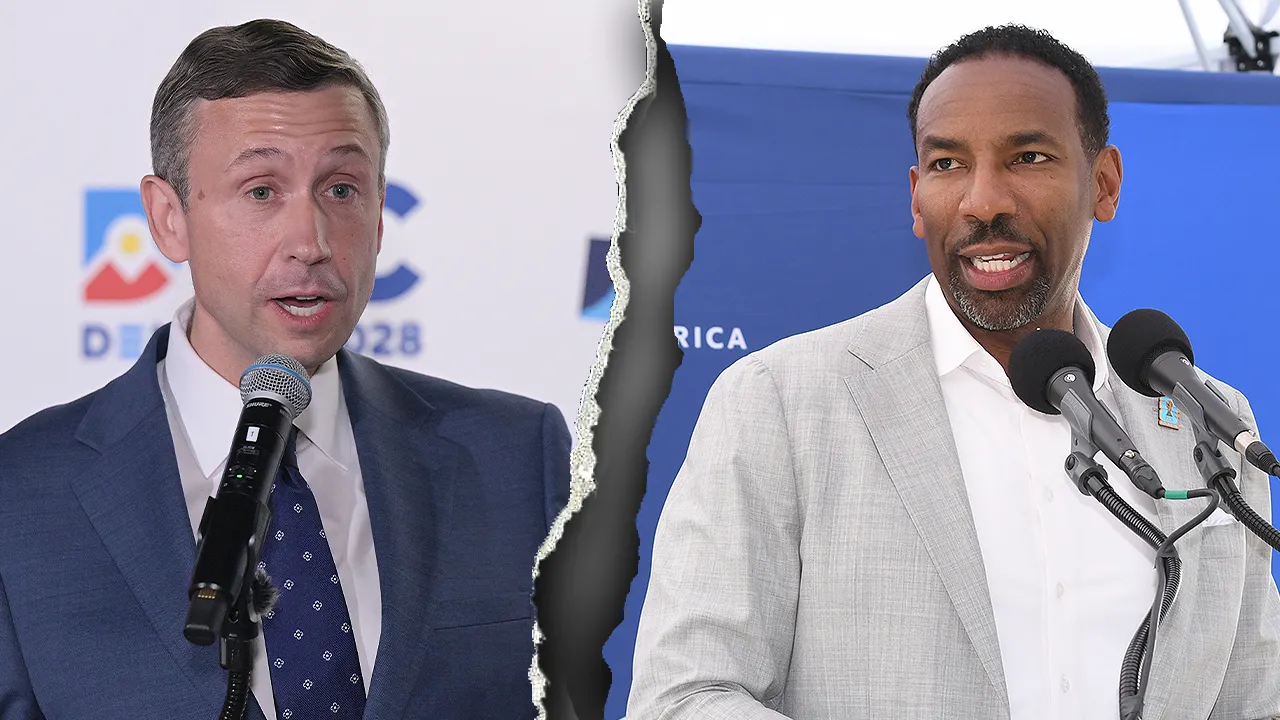

In a strong rebuke of the Democratic National Committee (DNC), Atlanta’s Mayor Andre Dickens underscored the perceived neglect of Black voters and the southern United States following the DNC’s decision to exclude Atlanta from its list of candidates to host the 2028 presidential convention. In a letter directed to DNC Chairman Ken Martin, Dickens argued that the exclusion demonstrated a troubling trend of the party abandoning crucial demographics and strategic areas of influence. Dickens’ position is echoed by fellow southern Democrats who believe that the party must not overlook the South, especially its Black voters, moving towards the pivotal 2028 election.
| Article Subheadings |
|---|
| 1) The DNC’s Decision: A Blow to Southern Democrats |
| 2) Local Responses from Southern Democratic Leaders |
| 3) Implications for the Democratic Party’s Future |
| 4) The Selection Process for the 2028 Convention |
| 5) Mayor Dickens Calls for a New Direction |
The DNC’s Decision: A Blow to Southern Democrats
The announcement by the DNC to exclude Atlanta—and other southern cities—from the shortlist to host the 2028 Democratic National Convention has sparked significant backlash. In his letter, Andre Dickens expressed his concerns that this decision reflects a broader pattern of neglecting the South, particularly its Black voters. Dickens pointed out that the DNC’s choice of finalists—Boston, Denver, and Philadelphia—signals an abandonment of critical constituents.
The choice of these cities, noted for their significant white populations, raises questions about the DNC’s commitment to a diverse electoral base. Christale Spain, the chair of the South Carolina Democratic Party, echoed these sentiments by emphasizing that the South’s role in the party’s future cannot be understated. With less than five years before the next presidential election, Dickens articulated a clear message: the DNC must not overlook the contributions and support of southern Black voters.
In Dickens’ view, the DNC’s leadership is failing to anticipate the shifting dynamics of the political landscape as the South increasingly becomes a battleground. This critique underscores a growing frustration among many southern Democrats who feel sidelined while also revealing the challenge the DNC faces in maintaining a cohesive strategy for the upcoming elections.
Local Responses from Southern Democratic Leaders
In light of the DNC’s recent decision, various southern Democratic leaders have rallied around Dickens, reinforcing the need for the party to reconnect with its southern base. These officials argue that overlooking Atlanta, a major urban hub with a large Black population, sets a troubling precedent. Jasmine Crockett, another prominent Democratic figure, cautioned that the party’s overemphasis on white voters could alienate the very constituents that are essential for a successful campaign in 2028.
There is a palpable concern that as the Democratic Party moves further into the election cycle, the neglect of southern states could hinder its chances of recapturing the White House. Dickens and Spain have both iterated that the DNC must invest in building relationships and outreach efforts within southern communities to restore confidence and foster a sense of belonging among these voters.
Implications for the Democratic Party’s Future
The DNC’s decision is not merely a question of convention logistics; it carries broader implications for the future strategy of the party. Many analysts suggest that disenfranchising southern voters, particularly Black voters, could result in detrimental electoral consequences as the party looks to regain control amid changing demographics nationwide.
The 2024 and 2028 elections will likely be marked by fierce competition in key states where Black voters play a crucial role in influencing outcomes. Should the DNC overlook these voters consistently, there is a risk of long-term repercussions where these communities may feel unrepresented. Political analysts are highlighting this disconnect, warning that the DNC must ensure inclusivity and representation that reflects the makeup of the party’s base.
The Selection Process for the 2028 Convention
The DNC outlined its criteria for selecting cities to host the convention, focusing on logistical capabilities, community engagement, and fundraising potential. Atlanta, which has not hosted a Democratic convention since 1988, had made a vigorous case for its candidacy. The DNC’s evaluation relied on site visits and assessments, taking into account the ability to partner with local leaders and civic organizations.
However, critics argue that the decision to eliminate Atlanta only reinforces the idea that DNC leadership is not adequately assessing the strategic importance of southern cities. The DNC has emphasized Boston, Denver, and Philadelphia’s strong bids, asserting their capacities to effectively host the event. Nevertheless, many southern Democrats believe that failing to recognize Atlanta’s significance signals a misguided strategy going forward.
Mayor Dickens Calls for a New Direction
Through his letter, Andre Dickens passionately articulated a plea for the DNC to adopt a more inclusive approach, emphasizing that a conscious effort must be made to address and uplift the voices of Black voters. Dickens stated, “Real leaders produce for the present and the future,” thereby calling on the party to step beyond traditional comfort zones and engage vigorously with the changing political climate.
He further positioned the need for the DNC to craft a thoughtful plan that resonates with the realities of Black voters in the South. Dickens concluded his letter with a rallying cry, stating that the DNC must embrace challenges and step into the political battleground to galvanize support from southern states. This represents a clarion call as the party prepares for the pivotal upcoming elections.
| No. | Key Points |
|---|---|
| 1 | Atlanta Mayor Andre Dickens criticized the DNC for excluding the city from its convention shortlist. |
| 2 | Southern Democrats argue the party must not take Black voters for granted as they prepare for 2028. |
| 3 | The DNC’s omission of Atlanta raises concerns about the party’s future electoral strategy. |
| 4 | Factors such as logistical capacities and community partnerships were cited in the DNC’s selection process. |
| 5 | Dickens urges the DNC to adopt a more inclusive agenda and re-engage with southern constituencies. |
Summary
The controversy surrounding the DNC’s decision to exclude Atlanta from its 2028 convention selection reflects deeper issues regarding representation and the future of the Democratic Party in the South. Mayor Andre Dickens has emerged as a vocal advocate for amplifying the concerns of Black voters and emphasizing the strategic value of southern cities. As Democrats prepare for the upcoming elections, the party leadership will need to address these criticisms to cultivate an inclusive environment that recognizes the vital contributions of diverse communities.
Frequently Asked Questions
Question: Why is Atlanta important for the Democratic Party?
Atlanta is a major urban center with a significant Black population, making it a crucial demographic for the Democratic Party as it strategizes for upcoming elections.
Question: What were the criteria used by the DNC to select convention sites?
The DNC considered logistical capabilities, community engagement, fundraising potential, and the ability to partner with local leaders in their selection process.
Question: How have southern Democratic leaders responded to the DNC’s decision?
Southern Democratic leaders, including Mayor Dickens, have criticized the DNC for neglecting the South and particularly its Black voters, calling for a more inclusive approach ahead of the 2028 elections.
