

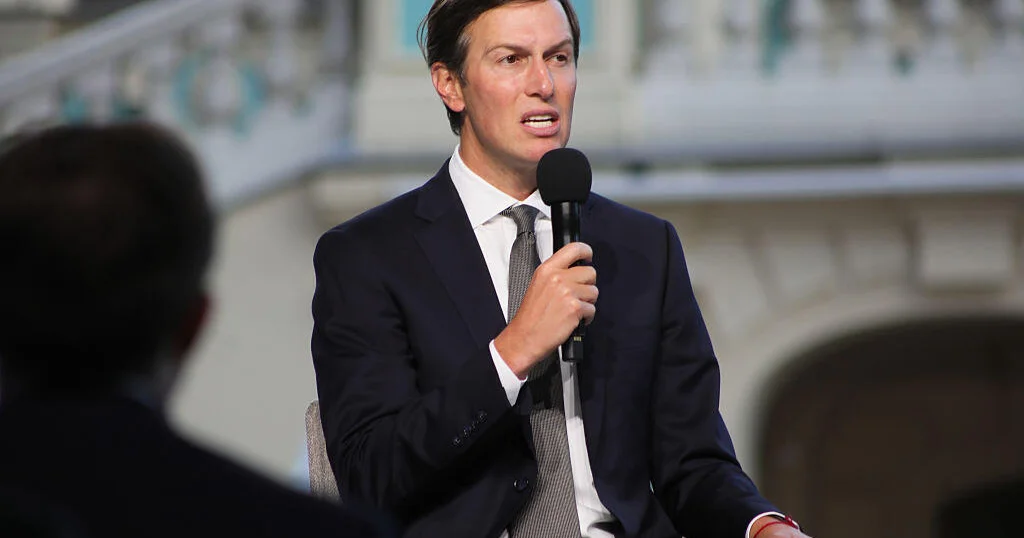

In a recent statement during a conference in Kyiv, special envoy Jared Kushner addressed the stalled rehabilitation efforts in the Gaza Strip, attributing the lack of progress to Israel’s political climate leading up to forthcoming elections. As political tensions rise in Israel, particularly between Prime Minister Benjamin Netanyahu and his opponents, Kushner emphasized the impact of this instability on peace negotiations and reconstruction plans for Gaza, which remain deeply fragmented. The comments mark a rare critique from a high-ranking member of the Trump administration regarding Israeli policies, raising questions about the future of U.S.-brokered efforts in the region.
| Article Subheadings |
|---|
| 1) Kushner’s Critique of Israeli Politics |
| 2) The Roadblocks to Gaza Reconstruction |
| 3) Ongoing Israeli Military Actions |
| 4) The Disarmament Challenge |
| 5) Implications for Future Peace Efforts |
Kushner’s Critique of Israeli Politics
During his remarks at a conference aimed at discussing the ongoing Russia-Ukraine war, Jared Kushner directly linked the delays in Gaza reconstruction efforts to the current political instability in Israel. With elections approaching in late October, Kushner pointed out that the political climate has created irrationalities in decision-making. As Prime Minister Benjamin Netanyahu faces challenges from his rivals, these internal struggles have made it more difficult for Israeli leaders to engage with U.S. proposals aimed at stabilizing Gaza.
Kushner’s comments indicate a recognition that political distractions can impede progress on significant international issues. Stability in governing entities like Israel is crucial for facilitating peace talks, particularly in regions as volatile as Gaza, where humanitarian crises are ongoing. This critique from Kushner is especially notable given his typically supportive stance toward Netanyahu’s administration, suggesting a rift or at least a divergence in interests between the U.S. administration and Israeli political realities.
The Roadblocks to Gaza Reconstruction
In discussing the U.S. peace plan, Kushner highlighted the urgent need for financial investment and infrastructural development in Gaza. The territory has suffered extensive damage since the conflict initiated by Hamas’ attack on Israel nearly three years ago. Many Palestinian families are still displaced, living in temporary encampments as they await reconstruction efforts that have stalled. Despite international calls for rebuilding, disagreements remain over how such plans should be implemented and who should oversee them.
According to a U.S. official familiar with the situation, one of the key factors delaying progress is Israel’s reluctance to provide the necessary assurances for establishing a security framework in Gaza that would allow for a new technocratic government to take hold. Until these issues are resolved, the humanitarian situation in Gaza is unlikely to improve significantly. The complexities of dealing with both Hamas and the Israeli government create an unwieldy environment where constructive talks are rare.
Ongoing Israeli Military Actions
The fragile ceasefire following the conflict has not stopped Israel from conducting airstrikes within Gaza, which Israeli officials justify as necessary to neutralize threats from Hamas. However, U.S. officials have suggested that these actions may exacerbate tensions rather than alleviate them. Continuous military operations complicate the atmosphere required for successful peace talks and reconstruction efforts, raising a critical question about the legitimacy of these strikes in terms of international law and their implications for Israeli-Palestinian relations.
The operations have been characterized by Israeli officials as defensive, focusing on preventing Hamas from regrouping or rearming. Yet, as Nickolay Mladenov, a senior diplomat on the Board of Peace, noted, these airstrikes could hinder efforts toward demilitarization in Gaza. The cycle of violence poses challenges to building the trust necessary for sustainable peace and recovery, with some U.S. officials expressing concern that such military actions perpetuate an ongoing cycle of violence instead of fostering a secure environment for civilians.
The Disarmament Challenge
The broader U.S. peace initiative includes critical components that require Hamas to disarm gradually while Israel pulls back its military presence in Gaza. However, skepticism persists surrounding Hamas’s willingness to disarm fully. Israeli authorities are concerned that relinquishing their military leverage could lead to further destabilization of the region, particularly as Hamas has indicated resistance to disarmament without significant assurance that its interests are safeguarded. This precarious balance between military power and political negotiation complicates the peace initiative.
Kushner’s comments that Gaza has historically been built up by NGOs and armed factions suggest a deeper criticism of the structures that have perpetuated this cycle of violence. By asserting that the previous approaches have failed, Kushner indicates a need for a new strategy that takes a more serious look at the underlying political dynamics governing both Gaza and Israel. However, without mutual concessions and trust building, achieving lasting peace remains a daunting task.
Implications for Future Peace Efforts
The challenges facing U.S. diplomats in the region are monumental, with Kushner’s frank evaluation of Israeli politics highlighting the impact of domestic concerns on international peace processes. As both parties stand firm on their negotiating positions, the fears of escalating violence continue to loom large over any potential agreement. The traditional U.S. role as a mediator appears increasingly compromised by these political challenges amidst Israeli elections, particularly as Netanyahu reaffirms his opposition to any unilateral withdrawals from Gaza.
This precarious situation underscores the ongoing need for a cohesive and comprehensive strategy that addresses not only immediate security concerns but also long-term developmental goals for Gaza. While Kushner’s comments may reflect a moment of criticism, they also illuminate the complexities inherent in facilitating negotiations in such a politically charged and divided landscape.
| No. | Key Points |
|---|---|
| 1 | Kushner’s comments link Gaza reconstruction delays to Israel’s internal political challenges ahead of elections. |
| 2 | The humanitarian situation in Gaza remains dire, with many Palestinians living in temporary camps post-conflict. |
| 3 | Israeli military airstrikes continue in Gaza, complicating peace negotiations while raising international concerns. |
| 4 | Establishing a security framework is essential for Gaza’s rehabilitation, but both Israel and Hamas are reluctant to make concessions. |
| 5 | The ongoing geopolitical landscape complicates U.S. diplomatic efforts to mediate peace in the region. |
Summary
The current stalemate surrounding Gaza’s reconstruction efforts appears deeply intertwined with Israeli political dynamics and military actions. As Jared Kushner reveals the complexities of negotiating peace amid such tensions, the findings shed light on the need for a carefully recalibrated approach that acknowledges the nuances of power in the region. Ultimately, the future of Gaza hinges on the ability of both Israeli and Palestinian leaders to forge a path toward mutual concessions and a constructive dialogue.
Frequently Asked Questions
Question: What are the primary challenges facing Gaza’s reconstruction?
The reconstruction of Gaza faces significant challenges, including political instability within Israel, ongoing military actions, and the complex relationship between Hamas and the Israeli government that complicates negotiations.
Question: How does Israeli politics affect peace negotiations?
Israeli politics, particularly during election cycles, often result in decisions that prioritize domestic concerns over international agreements, leading to delays and complications in ongoing peace talks.
Question: What is the role of the United States in the Gaza peace process?
The United States, through envoys like Jared Kushner, has been deeply involved in brokering peace plans, but internal political divisions in Israel and the ongoing tensions with Hamas present considerable challenges to effective mediation.
