

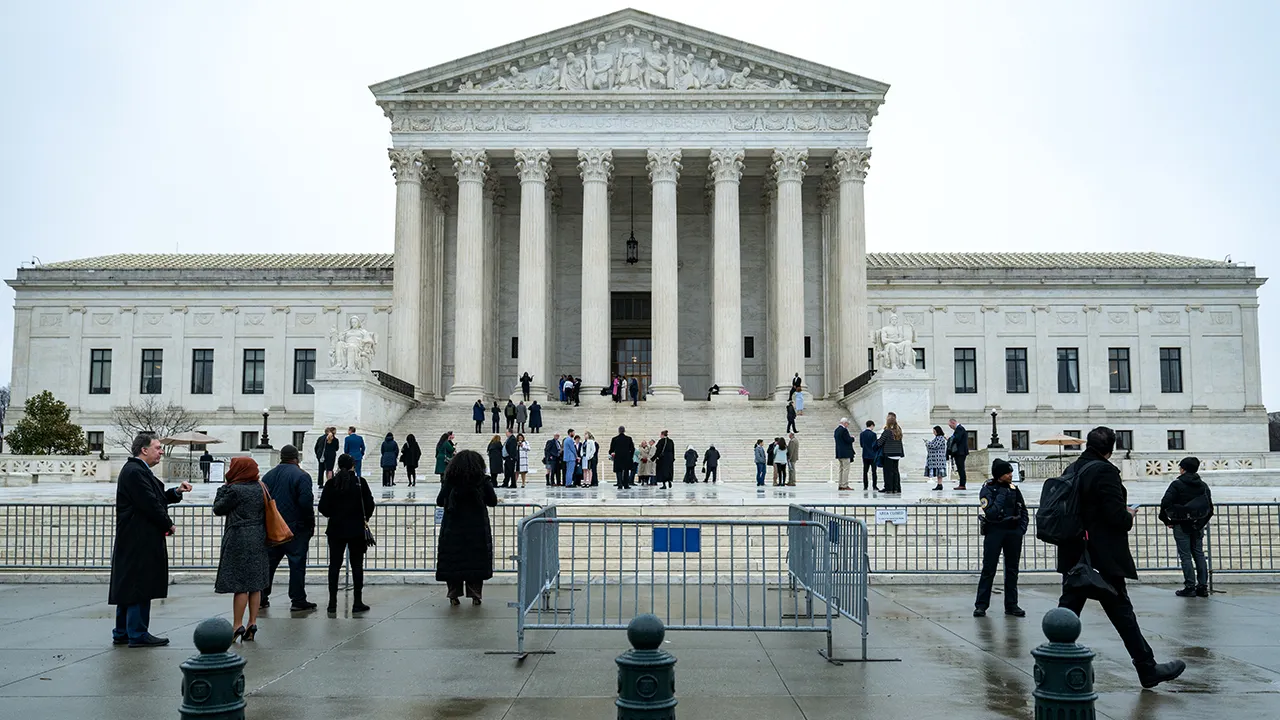

In a noteworthy development regarding voter identification laws, the U.S. Supreme Court has granted New Hampshire officials the authority to disallow student IDs as valid identification for voters during next month’s midterm elections. This ruling comes amidst a backdrop of ongoing debates surrounding voter eligibility and election integrity, with implications for students and election officials alike. The decision underscores the court’s stance on maintaining order and reducing confusion close to election dates, while advocates express concern about potential disenfranchisement.
| Article Subheadings |
|---|
| 1) Background of Voter ID Laws in New Hampshire |
| 2) Supreme Court’s Ruling on Student IDs |
| 3) Arguments from the Dissenting Justice |
| 4) Implications for Voters and Election Officials |
| 5) Future of Voter ID Laws and Legal Challenges |
Background of Voter ID Laws in New Hampshire
Voter identification laws have been a contentious issue across the United States, with various states implementing differing regulations aiming to verify the identity of voters. In New Hampshire, a significant shift occurred when Governor Kelly Ayotte signed House Bill 323 into law in April, consequently removing student IDs from the roster of acceptable forms of identification for voting. This legislative move took effect on June 2, establishing that voters must present alternate forms of ID when attempting to cast a ballot.
The introduction of this law was alleged to be part of a broader effort to secure electoral integrity. Proponents argued that ensuring a robust identification mechanism is crucial for preventing fraud. Critics, however, expressed concerns over the potential for disenfranchisement, particularly among young voters and students who may lack alternative identification methods. Many students, especially those attending college outside their home state, rely heavily on student IDs and may find themselves unable to vote under the new guidelines.
Supreme Court’s Ruling on Student IDs
The U.S. Supreme Court’s recent ruling has reinforced the New Hampshire law by allowing officials to reject the use of student IDs at polling places. The decision came after a lower court had indicated that state officials were overreaching by not considering student IDs as valid identification, raising the potential for confusion among voters that could affect turnout.
In making this decision, the Supreme Court cited concerns regarding last-minute changes to voting procedures. They emphasized the Purcell principle, which advocates against judicial interventions close to elections to minimize confusion among voters and election officials alike. This principle is founded on the idea that unexpected judicial rulings can lead to uncertainty and chaos, thus undermining the electoral process.
The Supreme Court’s majority opinion stated, “Here, the District Court did not point to anything that would justify deviating from that principle.” This perspective prioritizes procedural stability over individual circumstances, leading to an essential win for New Hampshire’s voting laws.
Arguments from the Dissenting Justice
In a notable dissent, Justice Ketanji Brown Jackson contended that the ruling failed to consider the need for accurate information dissemination related to the state’s voting laws. She argued that the actions of the lower court aimed to prevent misinformation, asserting that ensuring public knowledge of voting rules is vital to maintaining electoral integrity.
Justice Jackson stated, “When a federal court determines that material misrepresentations are being made about a State’s election rules, an injunction to prohibit that conduct does not contribute to public confusion; it prevents that very problem.” Jackson’s dissent highlights the ongoing tension between upholding legal statutes and the imperatives of ensuring that the electorate is fully informed.
Implications for Voters and Election Officials
The court’s decision will have immediate implications for voters in New Hampshire, particularly students who may not possess the required alternative forms of identification, such as a driver’s license or state-issued ID. As the election approaches, concerns are mounting regarding how many eligible voters will be turned away from the polls as a result of the stricter ID requirements. Election officials are tasked with ensuring compliance with the new law while navigating the potential for confusion among voters.
Officials like John Formella, New Hampshire’s Attorney General, have defended the law, emphasizing the state’s responsibility to uphold the integrity of elections. “New Hampshire has a responsibility to protect the integrity of its elections and ensure that election laws are applied as written,” Formella asserted. This trend of tightening voter ID laws reflects a continuing national dialogue about election security and access, raising questions about the balance between safeguarding the electoral process and ensuring voter participation.
Future of Voter ID Laws and Legal Challenges
Despite this ruling, the battle over voter identification laws is far from over. The Supreme Court’s decision does not represent a determination on the overall legality or fairness of such laws; rather, it essentially shores up the current regulations in New Hampshire while ongoing lawsuits continue to challenge voter ID laws nationally. Advocacy groups for voting rights remain vigilant and committed to contesting legislation they believe disenfranchises specific voter groups.
Future legal challenges may arise as more states consider enacting similar legislation based on the New Hampshire model. The implications of voter ID laws could loom large in upcoming elections, impacting not only local races but also national contests as they highlight the delicate balance between security and accessibility in the democratic process. The legal landscape surrounding voting laws is fluid, with challenges likely to arise as election seasons unfold.
| No. | Key Points |
|---|---|
| 1 | The U.S. Supreme Court ruled that New Hampshire can disallow student IDs as valid identification for voting. |
| 2 | The ruling is based on the Purcell principle, which discourages judicial changes too close to elections to avoid confusion. |
| 3 | Justice Ketanji Brown Jackson dissented, arguing that the ruling could hinder the public’s access to accurate information about voting laws. |
| 4 | The decision could disenfranchise student voters who may lack alternative forms of ID required to vote. |
| 5 | Ongoing legal challenges to voter ID laws indicate a contentious national debate regarding voting rights and election integrity. |
Summary
The Supreme Court’s decision to uphold New Hampshire’s voter ID law marks a significant moment in the ongoing debate over election integrity and access to the ballot. As states grapple with how best to verify voter identity while ensuring inclusivity, this ruling may set a precedent that could influence future legislation. The implications for student voters highlight the broader consequences of such laws, suggesting a growing need for dialogue and potential reforms to balance security with democratic participation.
Frequently Asked Questions
Question: What is the Purcell principle?
The Purcell principle is a legal guideline that discourages courts from intervening in electoral processes close to an election to avoid causing confusion among voters and election officials.
Question: Why were student IDs removed as valid identification in New Hampshire?
Student IDs were removed as valid identification due to concerns that they may not adequately verify the identity of voters, prompting the state to seek stricter identification requirements to enhance election integrity.
Question: What are the potential consequences of stricter voter ID laws?
Stricter voter ID laws may lead to disenfranchisement, particularly among demographic groups such as students and low-income individuals who may lack traditional forms of identification.
