

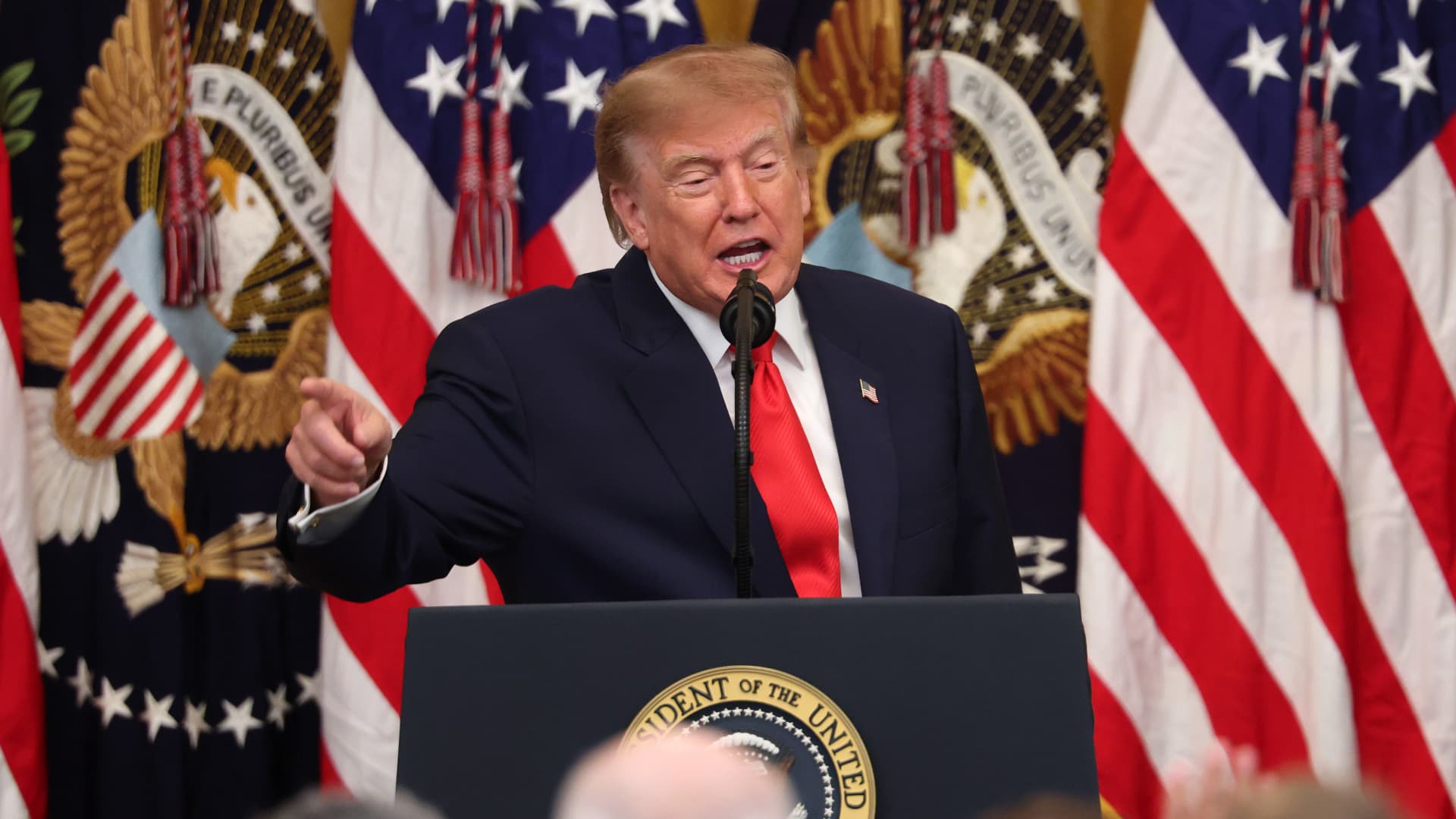

A recent announcement by former President Donald Trump has signaled a notable shift in U.S. strategy regarding Russian energy supplies amidst the ongoing Ukraine conflict. Trump declared on Friday that Russia will supply diesel fuel to the global market, a move he stated would help decrease surging diesel prices. However, this decision has been met with considerable criticism from various political figures, who argue that it contradicts previous efforts aimed at pressuring Russia to cease its aggression in Ukraine.
The response from lawmakers has been swift, with concerns raised about the implications of easing sanctions on Russian energy amidst the ongoing war. As the tensions surrounding the Ukraine crisis continue, the ramifications of Trump’s announcement are being closely monitored by both domestic and international observers.
| Article Subheadings |
|---|
| 1) Overview of Trump’s Diesel Announcement |
| 2) Context of Sanctions Against Russia |
| 3) Reactions from Political Leaders |
| 4) Implications for U.S. Energy Policy |
| 5) International Reactions and Concerns |
Overview of Trump’s Diesel Announcement
On a recent Friday, during a press briefing, Trump revealed a strategic agreement with Russia aimed at supplying diesel fuel globally. This announcement comes on the heels of a sharp increase in diesel prices that has caused economic concern heading into a high-stakes midterm election season. Trump asserted that the deal would alleviate these soaring prices by significantly boosting supply.
Under the terms of the agreement, Trump indicated that Russia would initially provide over 300,000 tons of diesel, followed by an additional 500,000 tons in November, and up to 3 million tons based on refinery conditions thereafter. This arrangement was communicated through Trump’s social media platform and was presented as part of diplomatic discussions with Russian President Vladimir Putin.
The former President posited that this influx of diesel would be a boon for both the U.S. and global markets, asserting, “We need oil for the world, and this is diesel, which is what we need.” Despite his framing of the issue, the announcement raised eyebrows given the existing sanctions on Russian energy exports and the ongoing conflict in Ukraine.
Context of Sanctions Against Russia
The backdrop to Trump’s announcement is pivotal, as it takes place against a series of sanctions that have been imposed on Russia in response to its military actions in Ukraine. Just weeks prior to the diesel agreement, Trump had signed the Lindsey O. Graham Sanctioning Russia and Iran Act of 2026, which endowed him with the authority to implement tariffs of up to 100% on major buyers of Russian oil and gas.
This legislation was intended to increase economic pressure on Moscow to halt its aggression in Ukraine, a stance that has been widely supported across the political spectrum. However, Trump’s recent pivot towards importing Russian diesel seems to undermine these previous efforts, leading to skepticism about the administration’s commitment to enforcing sanctions. Critics argue that the easing of restrictions will inadvertently provide funding to Russia’s military operations in Ukraine, further complicating an already volatile situation.
Historically, the Trump administration has taken a firm stance against Russian energy exports, having enacted sanctions against several Russian oil companies just months earlier, citing Russia’s insufficient commitment to peace talks. The apparent reversal represented by this new agreement raises questions about the coherence of U.S. foreign policy regarding Russia.
Reactions from Political Leaders
The reaction from Congress and commentators to Trump’s diesel deal has been predominantly critical. Prominent lawmakers, including Senator Richard Blumenthal, have voiced their discontent, emphasizing that the announcement contradicts Congress’s intent behind recent bipartisan sanctions aimed at curbing Russian aggression. Blumenthal described the move as “directly contrary” to the objectives established in the sanctions bill.
Scott Lincicome, a respected voice in economic policy circles, also weighed in on the issue, humorously questioning the feasibility of the U.S. imposing tariffs on itself while discussing the implications of the policy change. His commentary reflects broader concerns about the potential consequences of such a duality in U.S. energy policy.
Meanwhile, Rep. Michael McCaul, a Republican from Texas, expressed apprehension that lifting sanctions on Russian energy would finance the Kremlin’s military efforts, compounding the suffering in Ukraine. The bipartisan nature of the criticism illustrates a growing consensus among U.S. legislators that the Trump administration’s latest decision could lead to dire consequences both at home and abroad.
Implications for U.S. Energy Policy
The implications of Trump’s newly announced deal extend beyond immediate market reactions; they signal a larger, potentially disruptive shift in U.S. energy policy. By permitting Russian diesel to enter the U.S. market again, the administration is potentially compromising its leverage over Moscow. Critics argue that this could embolden Russian aggression, as it provides resources that might be used to sustain operations in Ukraine.
Additionally, the timing of this maneuver—occurring just before significant midterm elections—raises questions about the motivations behind the decision. Is the administration acting in the interest of American consumers, or is it yielding to political pressures? Whatever the underlying rationale, the administration’s commitment to a coherent foreign policy strategy on Russia is increasingly under scrutiny.
As consumers are inevitably impacted by fluctuating fuel prices, the promise of lower diesel costs cannot overshadow the potential long-term ramifications of reinstating Russian energy into the fold. Numerous energy policy experts have underscored the need for a balanced approach, one that simultaneously addresses domestic energy needs while maintaining firm actions against aggressive foreign entities.
International Reactions and Concerns
Internationally, the reaction to Trump’s announcement has been met with both enthusiastic acceptance and harsh criticism. While the Russian government, through a representative associated with Putin, openly commended the agreement seeking to foster cooperation, Ukrainian officials have viewed the decision with grave concern. President Volodymyr Zelenskyy publicly denounced the easing of sanctions on Russia, asserting that it “plays into Russia’s hands.”
In a strong statement, Zelenskyy warned that any relaxation of sanctions without a clear commitment from Russia towards de-escalation strengthens Russia’s position and prolongs the conflict. “Allowing Russia to sell petroleum products is an investment in a war that must be ended,” he stated, emphasizing the dire need for sustained international support for Ukraine’s self-defense against aggression.
International observers and political analysts are now keeping a close watch on how this deal might alter the dynamics of both the energy market and the ongoing geopolitical situation surrounding the war in Ukraine. Observers argue that energy exchange between Russia and the U.S. could influence strategic alliances and weaken the united front established by Western nations against Russian actions.
| No. | Key Points |
|---|---|
| 1 | Trump announced a deal for Russia to supply diesel fuel to the global market, aiming to lower diesel prices. |
| 2 | The announcement raised questions about the consistency of U.S. sanctions against Russia. |
| 3 | Political leaders across party lines criticized the move as contradictory to recent bipartisan sanctions. |
| 4 | Zelenskyy condemned the deal, emphasizing that easing sanctions could prolong the conflict in Ukraine. |
| 5 | The implications of this agreement may have lasting effects on U.S. energy policy amidst evolving global dynamics. |
Summary
In conclusion, the recent announcement by Trump regarding Russian diesel exports highlights a significant shift in U.S. foreign policy just as the geopolitical landscape surrounding the Ukraine conflict continues to evolve. The discrepancies between this agreement and previous sanctions set forth by Congress have raised pressing questions about the intentions behind easing restrictions on Russian energy supply. As both domestic and international reactions unfold, the ramifications of this deal will undoubtedly play a critical role in shaping energy policy and the broader strategy toward Russia.
Frequently Asked Questions
Question: What is the significance of Trump’s announcement regarding Russian diesel fuel?
Trump’s announcement reflects a shift in U.S. energy policy and raises concerns about the implications of easing sanctions on a country engaged in military aggression.
Question: How have political leaders reacted to the diesel agreement?
Political figures have largely criticized the deal, deeming it contradictory to existing sanctions designed to limit Russia’s military capabilities.
Question: What are the potential consequences of lifting sanctions on Russian energy?
Lifting sanctions could provide financial resources to support Russia’s military operations in Ukraine, prolonging the conflict and undermining diplomatic efforts for peace.
