

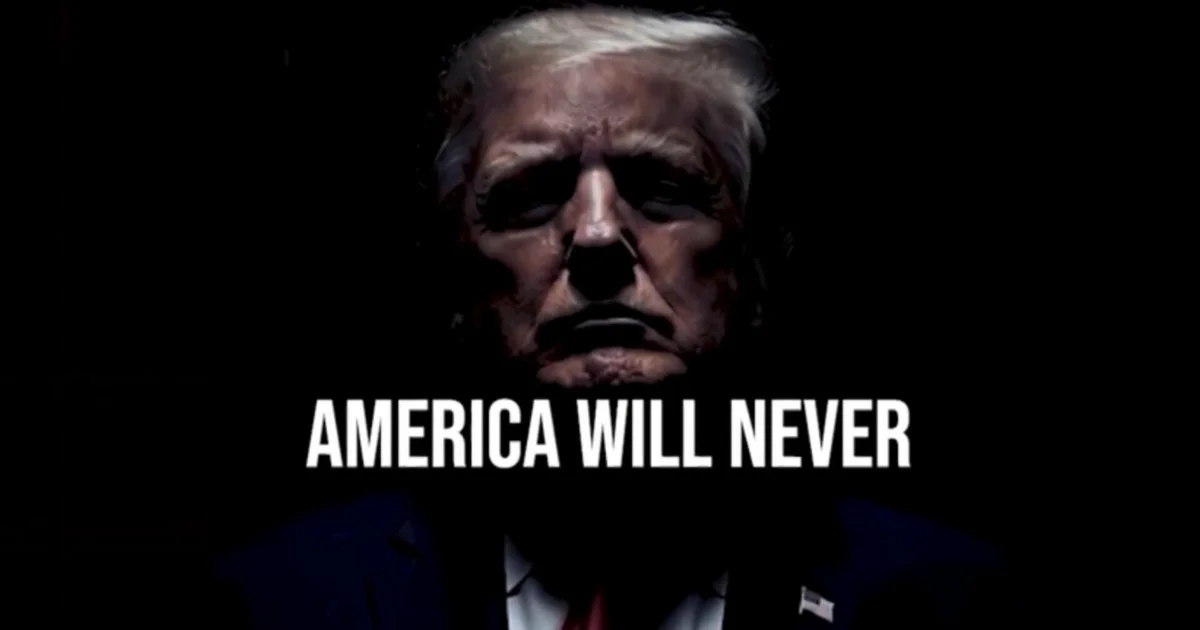

A federal judge has ordered President Trump to halt the airing of television commercials funded by taxpayer money that promote his political message. The ruling, delivered on Sunday night, comes amidst legal challenges asserting that these advertisements constitute an illegal misuse of funds. U.S. District Judge Jennifer L. Rochon enjoined any remaining advertisements from airing, highlighting concerns over government resources being utilized for political propaganda.
| Article Subheadings |
|---|
| 1) Background of the Ruling |
| 2) Legal Implications of Advertisement Funding |
| 3) Political Reactions to the Ads |
| 4) The Role of the Arts in Political Messaging |
| 5) Future of Government-Funded Political Advertising |
Background of the Ruling
The federal court ruling stems from a coalition’s challenge, which included the nonpartisan watchdog group Common Cause, asserting that the advertisements financed through Department of Homeland Security (DHS) funds were unlawfully promoting President Trump’s political agenda. Judge Rochon issued a temporary restraining order on Sunday night, requiring the administration to cease any further advertisement activities immediately. This order became effective at 6:45 p.m. ET on the same day.
The action by the judge supports claims that the administration was misusing taxpayer dollars to influence electoral outcomes. In her ruling, Judge Rochon emphasized that the defendants, which include the Trump administration, are prohibited from entering into or renewing any agreements related to the challenged advertisements during the two-week duration of her order. This ruling is particularly significant as it reflects ongoing scrutiny into the proper use of government resources.
Legal Implications of Advertisement Funding
The judge’s ruling highlights potential violations of federal laws regarding the use of appropriated funds, which strictly prohibit government resources from being allocated for publicity or propaganda campaigns that could serve political purposes. Legal experts have indicated that the nature of these advertisements may contravene the law by converting taxpayer dollars into means for political gain.
The $20 million allocated for the advertisements was originally intended for “commemorating efforts and events related to border security.” With the DHS contracting the LMD Agency for the National Media Campaign, critics argue that the money was appropriated in a manner inconsistent with its legislative intent. Moreover, this decision raises fundamental questions about accountability and transparency in the government’s financial dealings and sheds light on the growing scrutiny of the administration’s actions.
Political Reactions to the Ads
The public and political response to these advertisements has been overwhelmingly critical, with members from both political parties expressing their discontent. Senate Majority Leader John Thune, a Republican from South Dakota, voiced his concern by stating that taxpayer dollars should not be used to fund such promotions. Similarly, Senator John Kennedy of Louisiana articulated that no public official should be permitted to use government funds for what he termed as personal advertisements.
The Democratic National Committee has also entered the fray with its lawsuit against the Trump administration, alleging that the government is utilizing taxpayer money for political advertising under false pretenses. These developments reflect a broader bipartisan worry about the integrity of government spending and the potential for malicious misuse of taxpayer resources for political ends.
The Role of the Arts in Political Messaging
The controversy surrounding the advertisements escalated when JMSN, an artist whose song “Love Me” was featured in one of the commercials, demanded that the Trump administration cease its use. He stated on social media that his music should not be associated with any political agenda, denouncing the use of his work in a manner contrary to his own artistic values.
The implications of utilizing artistic works in political messaging underscore the conflicts that can arise between artistic expression and political speech. This scenario invites a broader conversation regarding artists’ rights and the ethical responsibilities of using their creations in political contexts, expanding the dialogue to encompass both legal and moral considerations in the arts community.
Future of Government-Funded Political Advertising
With the judge’s ruling and the ongoing legal battles, the fate of government-funded political advertising hangs in the balance. The matter has ignited a national debate regarding the role and limitations of government funds in advertising, especially as the country approaches significant electoral events like midterm elections.
The White House officials have attempted to frame these advertisements as benign public service announcements, akin to those utilized by previous administrations to promote various policies and initiatives. Yet, the distinct nature of these ads, which are perceived to echo President Trump’s political messaging explicitly, diverges from the traditional objectives of public service campaigns that typically seek to provide tangible benefits to the public.
Key Points
| No. | Key Points |
|---|---|
| 1 | A federal judge ordered the Trump administration to cancel taxpayer-funded advertisements. |
| 2 | The Department of Homeland Security allocated $20 million for the ads, raising legal concerns over misuse of public funds. |
| 3 | Critics from both political parties expressed disapproval of the use of taxpayer dollars for political messaging. |
| 4 | Artist JMSN demanded the administration stop using his song in the ads, highlighting concerns over artistic integrity. |
| 5 | The ruling emphasizes the need for accountability in government spending related to political advertising. |
Summary
The recent judicial ruling against President Trump’s use of taxpayer funds for political advertising highlights significant concerns regarding the legality and ethics of such practices. This case not only raises essential questions about the appropriate allocation of federal resources but also brings to light the broader implications of governmental accountability. As the political landscape evolves, the future of government-funded advertising remains precarious, and public scrutiny will likely intensify in the lead-up to future electoral events.
Frequently Asked Questions
Question: What did the federal judge rule regarding the advertisements?
The federal judge ruled that the Trump administration must cancel any remaining advertisements funded by taxpayer money that were deemed unlawful political propaganda.
Question: How much taxpayer money was allocated for the advertisements?
The Department of Homeland Security allocated $20 million in taxpayer money for the advertisement campaign.
Question: What are the legal implications of using taxpayer funds for political ads?
Using taxpayer funds for political advertisements could violate federal laws against using appropriated money for publicity or propaganda aimed at influencing electoral outcomes.
