

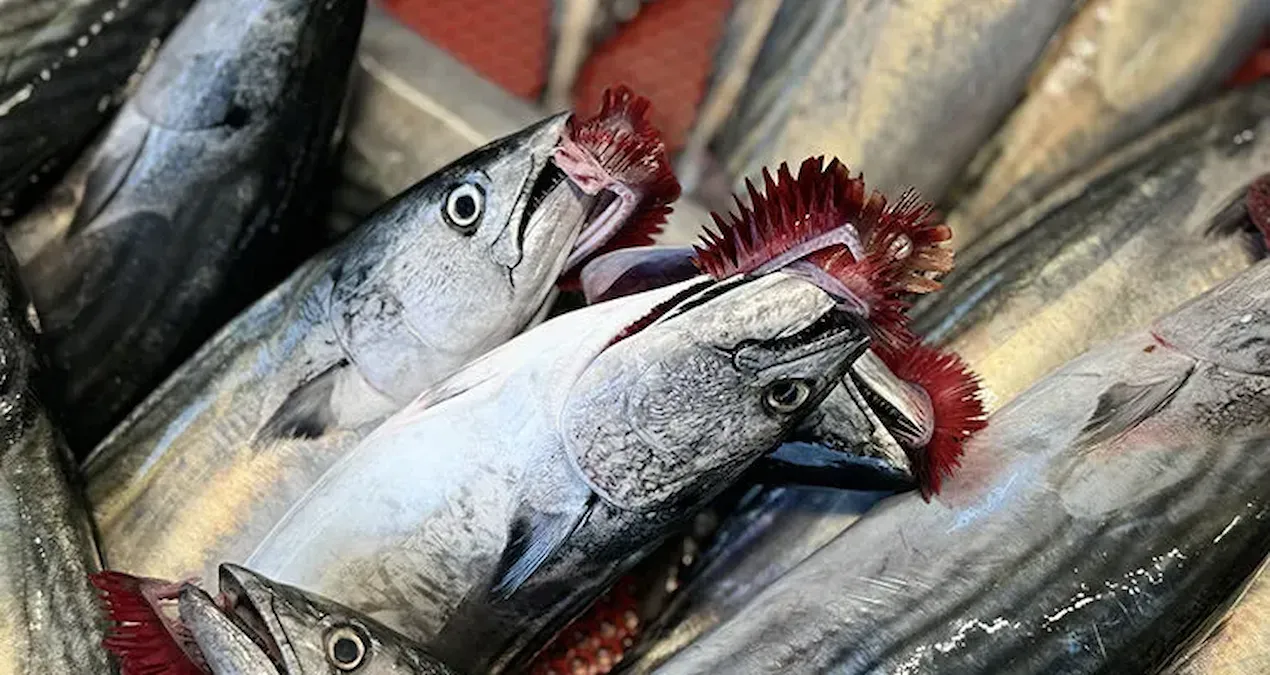

This season has seen an unprecedented abundance of bonito in local waters, leading to significant shifts in market dynamics for both consumers and fishermen. While consumers are benefiting from lower prices, this surplus has caused income challenges for fishermen as their earnings diminish despite an increase in catch volume. In response to these financial pressures, the Istanbul Provincial Seafood Catchers Producers Association has proposed a temporary halt in bonito fishing to restore market balance.
| Article Subheadings |
|---|
| 1) The Impact of Abundant Bonito on Fish Prices |
| 2) Fishing Industry’s Response to Declining Earnings |
| 3) Request for Suspension of Bonito Fishing |
| 4) Economic Consequences of Surplus Supply |
| 5) Consumer Benefits Versus Fishermen Challenges |
The Impact of Abundant Bonito on Fish Prices
The current fishing season has resulted in one of the highest volumes of bonito captured in recent history. This influx has directly influenced market prices, causing them to plummet and significantly affecting the financial landscape for local fishermen. The Istanbul Provincial Seafood Catchers Producers Association has noted that the increase in supply is a primary factor in this decline. As prices drop, fishermen—who traditionally rely on these fish as a primary source of income—are finding their earnings decreasing despite an increase in the quantity of fish they bring to market. This paradox has raised concerns within the fishing community, highlighting the need for immediate action to address the issue.
Fishing Industry’s Response to Declining Earnings
In light of the significant decrease in earnings resulting from lower fish prices, many fishermen are caught in a catch-22 situation. The union representing these fishermen has reported that there is an increased tendency for them to catch more fish in an attempt to make up for their losses. This, however, only exacerbates the supply issue, resulting in further price reductions. The economics of the situation mean that instead of recuperating losses, fishermen are trapped in a cycle of trying to catch more fish at diminishing returns. This has led to a collective decision among the local fishermen to unite in calling for change, demonstrating the severe economic pressure they are under.
Request for Suspension of Bonito Fishing
The Istanbul Provincial Seafood Catchers Producers Association has made a formal request for a temporary suspension of bonito fishing until 08:00 on Monday, October 12, 2026. The focus of this request is to alleviate the market’s current oversupply and to allow prices to stabilize. In their official statement, union representatives emphasized the intention behind this pause is not to cease fishing entirely but to implement a strategy that helps fishermen earn a fair wage for their labor. It is a proactive measure designed to reset the market dynamics to ensure sustainable fishing practices and financial viability for local fisherfolk.
Economic Consequences of Surplus Supply
The consequences of the unusually high yield of bonito this season extend beyond immediate financial losses for fishermen. The larger economic landscape is inadvertently affected, with diminished prices leading to understandable consumer benefits. However, the increase in supply has generated significant concerns about the sustainability of local fisheries. As fishermen are compelled to continue fishing in an attempt to offset their earnings decline, they risk overfishing, which could compromise future fish stocks. Thus, the situation also necessitates a long-term perspective on seafood sustainability, as it not only affects present financial conditions but also poses a potential threat to future yields.
Consumer Benefits Versus Fishermen Challenges
While the drop in bonito prices has allowed consumers in the region to enjoy affordable seafood options, it has created a complex dichotomy in the fishing industry. Affordability has certainly spurred consumer demand, but the decline in fishermen’s income suggests that the balance between consumer benefit and producer sustainability is tipped unfavorably. The union’s claims indicate that the increased catch is not compensating for the overall decline in price, creating an unsustainable economic model for local fisheries. Therefore, the sustainability of customer benefits may soon clash with the economic viability of local fishermen, urging a need for regulatory intervention.
| No. | Key Points |
|---|---|
| 1 | Abundant bonito catches have led to a significant decrease in fish prices this season. |
| 2 | Fishermen are catching more fish to offset declining incomes, exacerbating the supply issue. |
| 3 | The union has requested a temporary suspension of bonito fishing to stabilize the market. |
| 4 | The oversupply of bonito could have long-term impacts on the sustainability of local fish stocks. |
| 5 | Balancing consumer benefits with fishermen’s earnings is crucial for future market stability. |
Summary
The current bonito fishing season has highlighted significant challenges within the fishing industry, marked by an oversupply that has triggered a sharp decline in prices and subsequent income for fishermen. The call for a temporary suspension of fishing reflects a desperate attempt to restore financial stability to a beleaguered industry. However, maintaining a sustainable balance between consumer pricing and the livelihood of fishermen will be essential for the long-term health of the market, underscoring the importance of cooperative measures and regulatory interventions.
Frequently Asked Questions
Question: Why are bonito prices falling?
Bonito prices are falling due to an unprecedented increase in supply this season, as fishermen are catching more fish than usual, leading to oversaturation in the market.
Question: What are the fishermen proposing to address the income decline?
Fishermen are proposing a temporary suspension of bonito fishing to allow market prices to stabilize and recover, aimed at ensuring they receive fair compensation for their catch.
Question: How does the oversupply of bonito affect consumers?
The oversupply of bonito has led to lower prices, enabling consumers to access more affordable seafood options, which can benefit those shopping for fresh fish.
