

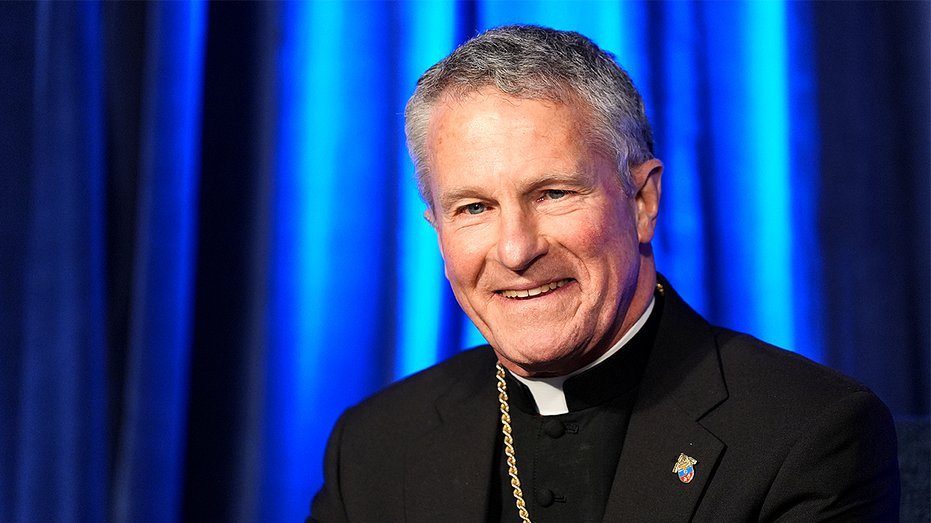

Archbishop Timothy Broglio has urged Catholic soldiers assigned to a planned firing squad execution to request religious exemptions from participating. The execution of former Army psychiatrist Nidal Malik Hasan is scheduled for December 3 at Fort Hood, Texas, and the Pentagon has proposed livestreaming it. Broglio questioned the moral and public purpose of broadcasting the killing, while other Catholic leaders and several lawmakers have also criticized the plan. The proposed execution would be the first by firing squad in the U.S. military since 1945 and the first military execution by any method since 1961.
| 1) | Broglio calls for religious exemptions |
|---|---|
| 2) | Hasan execution carries historic significance |
| 3) | Catholic leaders oppose a public execution |
| 4) | Political leaders debate livestreaming |
| 5) | The execution plan remains under review |
Broglio calls for religious exemptions
Archbishop Timothy Broglio, who oversees Catholic pastoral services for the U.S. military, said Monday that Catholics assigned to the firing squad should seek to be excused. His position is based on the Catholic Church’s opposition to capital punishment and reflects his view that participating in the planned action would conflict with Church teaching.
Army regulations allow soldiers to request religious exemptions or accommodations, although it remains unclear how personnel will be selected for the firing squad or how such requests would be handled. Broglio also recalled presiding over the funeral of Michael Grant Cahill, the only civilian killed in the 2009 Fort Hood shooting, and expressed sorrow over Hasan’s crime.
“Hasan’s crime was heinous, but does exposing the public to his execution serve any purpose?”
Hasan execution carries historic significance
Nidal Malik Hasan, now 56, was convicted of killing 13 people and wounding 32 others in a 2009 shooting at the Fort Hood military base. He was shot by responding officers during the attack and now uses a wheelchair. The Army has scheduled his execution at Fort Hood on December 3 at 1 p.m. Central time.
If carried out as planned, the execution would be the first U.S. military firing squad execution since 1945. It would also be the first military execution using any method since 1961. Defense officials have linked the proposed timing and location to the anniversary details of the shooting, and Pentagon chief Pete Hegseth has argued that making the execution public could serve as a deterrent.
Catholic leaders oppose a public execution
Broglio questioned whether the government should make a public spectacle of killing a convicted attacker, particularly one who uses a wheelchair. He warned that broadcasting the execution could damage the reputation of the U.S. military by appearing to imitate terrorist organizations that publicize violence.
Archbishop Paul Coakley, head of the U.S. bishops conference, said he was shocked and deeply saddened by the proposal. Cardinal Pietro Parolin, the Vatican secretary of state, called the planned broadcast incomprehensible and said it was unacceptable to turn death into a spectacle. Pope Leo XIV also reiterated that the Catholic Church considers the death penalty inadmissible because it violates human dignity and is not necessary to protect society.
“The public execution even of one who has done grave harm will only further undermine the moral fabric of our nation and be a blight on the conscience of its people.”
Political leaders debate livestreaming
The proposal has drawn criticism beyond Catholic leadership. A U.S. government execution has never been broadcast to the general public, making the plan unprecedented. Several lawmakers, including Republicans, have opposed the idea, arguing that public executions are associated with oppressive governments rather than the United States.
Senator Thom Tillis of North Carolina said public executions should not occur in America. Vice President JD Vance, who is Catholic, has expressed doubts about whether the Pentagon will proceed with a livestream and said he would not watch it if it were carried out. The debate has focused on whether public access could deter future violence or instead turn an execution into a spectacle.
The execution plan remains under review
President Donald Trump said Saturday that he had not decided whether to approve the livestream plan. Reports have indicated that he has privately expressed doubts about broadcasting the execution, but no final decision was identified in the announcement.
The planned December execution therefore remains subject to decisions by the administration and military authorities. The core issues include the execution method, the possible broadcast, the selection of participating soldiers, and whether Catholic personnel can obtain religious accommodations. Broglio’s statement adds a formal religious objection to a proposal already facing political and ethical scrutiny.
| Number | Key Point |
|---|---|
| 1 | Archbishop Timothy Broglio urged Catholic soldiers to seek exemptions from the firing squad. |
| 2 | Nidal Malik Hasan is scheduled to be executed at Fort Hood on December 3. |
| 3 | The execution would be the first U.S. military firing squad execution since 1945. |
| 4 | The livestream proposal has drawn objections from Catholic leaders, lawmakers and others. |
Summary
The proposed execution of Nidal Malik Hasan has prompted an ethical and religious debate over both capital punishment and the possibility of livestreaming the event. Archbishop Timothy Broglio says Catholic soldiers should seek exemptions, while other Church leaders have urged the government to reconsider. With the final decision on the broadcast still unresolved, the case remains a significant test of military policy, religious accommodation and public treatment of executions.
Frequently Asked Questions
Who is Nidal Malik Hasan?
Nidal Malik Hasan is a former Army psychiatrist convicted of killing 13 people and wounding 32 others during a 2009 shooting at Fort Hood.
When and where is the execution scheduled?
The Army has scheduled the execution for December 3 at 1 p.m. Central time at Fort Hood, Texas.
Why is Archbishop Timothy Broglio opposing Catholic participation?
Broglio said participation would conflict with Catholic teaching opposing the death penalty and urged Catholic soldiers to request religious exemptions.
Has the livestream been approved?
No final decision was identified. President Donald Trump said he had not decided whether to allow the proposed livestream.
