

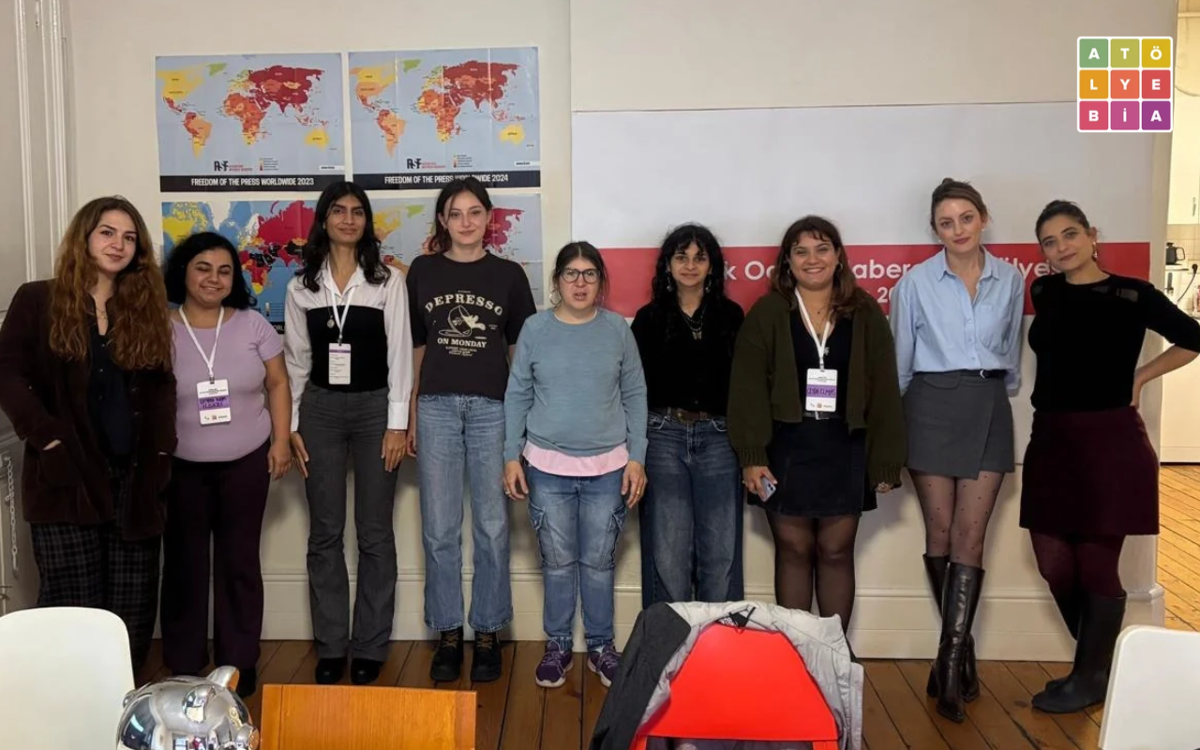

A recent workshop focusing on child-centered journalism was held on October 27 at the IPS Communication Foundation/Atölye BİA office in Beyoğlu. The event brought together participants to explore essential principles regarding children’s rights in the media, the legal frameworks supporting these rights, and practical approaches to enhance reporting on issues involving children. Through discussions and hands-on exercises, attendees gained insights into creating responsible, ethical content that prioritizes the protection of children’s rights while ensuring their voices are represented.
| Article Subheadings |
|---|
| 1) The Evolution of Child-Focused Journalism |
| 2) Principles of Ethical Child Reporting |
| 3) The Legal Framework for Children’s Rights |
| 4) Practical Exercises on Rights Violations |
| 5) The Future of Journalism Focused on Children |
The Evolution of Child-Focused Journalism
In the ever-changing landscape of media, the representation of children has become a significant area of concern. Traditionally, stories involving children often lacked attention to their rights and welfare, portraying them merely as subjects rather than active participants in their narratives. This workshop on child-focused journalism emphasizes the need to shift this paradigm, focusing instead on developing content that acknowledges children as individuals with their own rights. This evolution stems from growing recognition of the United Nations Convention on the Rights of the Child, established in 1989, which acts as a guiding framework for journalists.
At the heart of this evolution is the understanding that journalists must prioritize not only accurate reporting but also the implications of their storytelling on young individuals. The modeling of ethical child reporting is crucial in shaping how children’s issues are approached within news, aiming to prevent harm and promote positive outcomes. Workshop participants learned how to cultivate this success by engaging deeply with the complexities surrounding children’s lives and recognizing the socioeconomic factors contributing to their experiences. This transition is vital for fostering a culture where children’s individual narratives are validated, thus creating a more inclusive media landscape.
Principles of Ethical Child Reporting
Nalin Öztekin, a workshop facilitator, highlighted several fundamental principles of ethical child reporting that must be adhered to by professionals in the field. These principles encompass viewing children as rights bearers, safeguarding their best interests, and ensuring their right to participate in discussions that affect them. For instance, when capturing stories about children in challenging circumstances, journalists must create safe environments for interviews, ensuring that informed consent is obtained to protect the children’s emotional wellbeing.
Central to this ethics framework is the idea of avoiding narratives that might exploit children’s situations for sympathy or gain attention. Instead, responsible journalism should focus on the children’s voices and perspectives, acknowledging their agency in the context of their stories. As emphasized by Öztekin, “We must create an atmosphere where children feel safe to share their experiences. They should not be seen merely as objects of a news story.” Such an approach fosters a culture in which children feel valued and respected while providing audiences with a deeper understanding of children’s rights.
The Legal Framework for Children’s Rights
Kardelen Ateşci, head of the İstanbul Bar Association Children’s Rights Center, led a session in the workshop focusing on the legal frameworks governing children’s rights and the juvenile justice system. The discussion emphasized that children are not just subjects of legal considerations but are rights holders entitled to protection and participation in judicial processes. The adherence to principles established in the UN Convention on the Rights of the Child is essential for journalists and others working within the legal framework.
Ateşci explained the contrasting nature of juvenile and adult justice systems, stressing that the juvenile system aims for reintegration into society rather than punishment. This perspective necessitates that media portrayals of children involved in crime focus on broader social circumstances and support mechanisms instead of stigmatizing the individuals themselves. By addressing systemic factors such as poverty, neglect, and abuse, journalists can provide more insightful and compassionate coverage that promotes understanding rather than perpetuating stereotypes.
Practical Exercises on Rights Violations
The workshop included an engaging practical exercise that required participants to analyze how children’s rights might be violated in media portrayals. Nalin Öztekin guided participants as they examined various stories, focusing on areas such as child marriage, abuse, and violence, evaluating the language and visuals employed in these narratives. Through collaborative group assessments, they identified problematic wording and discussed revisions that would align with child-focused journalism principles.
Öztekin stressed the importance of not normalizing rights violations and placing emphasis on possible avenues for redress in news reports. She stated, “Including information on how to seek help can empower victims and advocate for their rights.” This approach encourages readers to engage actively with the content and promotes a proactive attitude toward addressing children’s rights violations in society.
The Future of Journalism Focused on Children
As the workshop concluded, participants engaged in a final exercise emphasizing the need to rewrite news stories with careful consideration for children’s rights. Interviews, leads, visual representations, and overall coverage of serious issues affecting children were scrutinized to enhance sensitivity and ethical responsibility. The focus was on striking a balance between raising awareness of critical issues while safeguarding children’s identities and dignity.
The increasing demand for child-focused journalism indicates an essential component of media responsibility. As the landscape continues to evolve, incorporating rigorous ethical standards into reporting practices can shape a media environment that prioritizes the welfare of children. The workshop represented a stepping stone toward fostering a generation of journalists equipped to handle children’s issues with the care and responsibility they demand.
| No. | Key Points |
|---|---|
| 1 | The workshop on child-focused journalism emphasized ethical reporting practices. |
| 2 | Key principles include respecting children’s rights and ensuring safe interview environments. |
| 3 | Highlighting the legal framework for children’s rights is crucial for responsible reporting. |
| 4 | Participants engaged in exercises to detect rights violations in existing media reports. |
| 5 | Empowering children in media narratives is essential for fostering an inclusive media environment. |
Summary
This workshop successfully highlighted the pivotal role of responsible reporting in the realm of child-focused journalism. By emphasizing ethical practices, legal considerations, and the necessity for a voice for children in narratives that affect them, attendees left with a deeper understanding of their responsibilities as journalists. Moving forward, it is imperative that these principles be integrated into everyday reporting, ensuring that children’s rights are at the forefront of discussions in the media landscape.
Frequently Asked Questions
Question: What is the focus of child-focused journalism?
Child-focused journalism aims to represent children’s rights and perspectives accurately, ensuring that their stories are told with respect and dignity.
Question: Why is it important to create a safe environment when interviewing children?
Creating a safe environment ensures that children feel comfortable sharing their experiences, protecting their emotional wellbeing and fostering meaningful participation.
Question: How does the UN Convention on the Rights of the Child affect journalistic practices?
The UN Convention provides a legal framework that guides journalists in upholding children’s rights, emphasizing protection, participation, and ethical reporting.
