

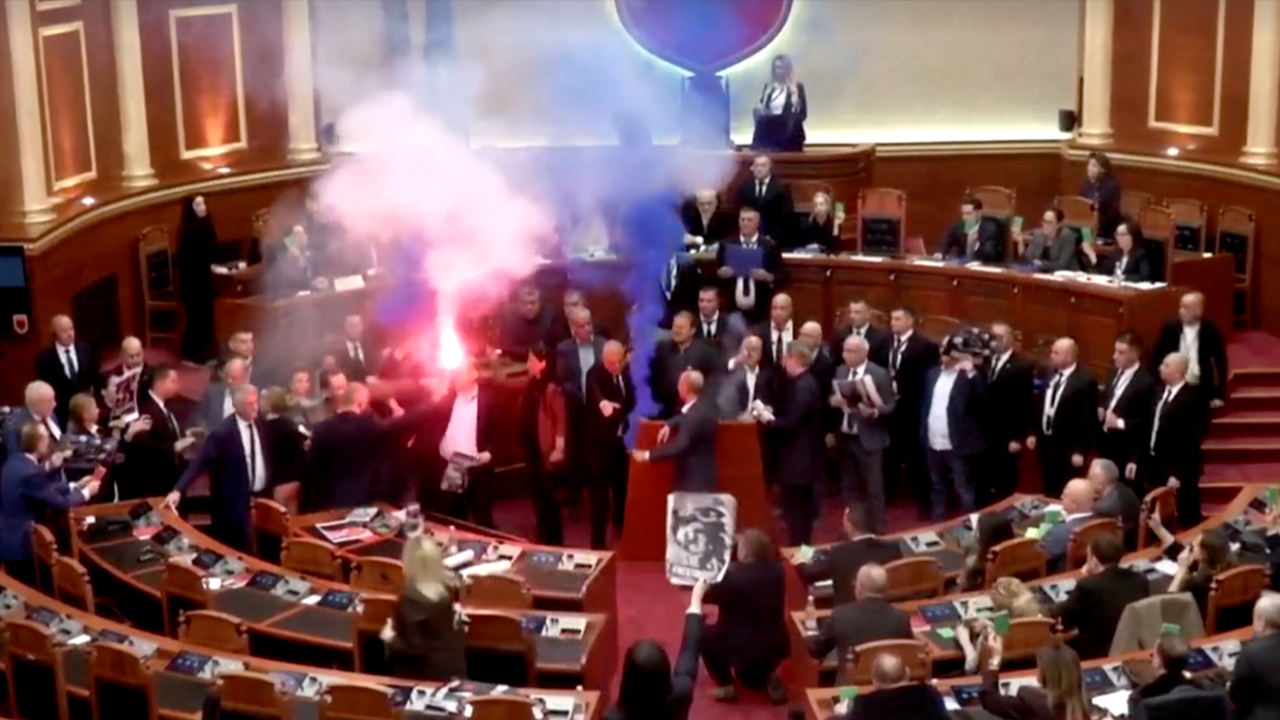

In Albania, opposition lawmakers have ramped up their tactics during parliamentary sessions by igniting flares, which filled the chamber with smoke. This disruptive act marked an escalation in the ongoing protests led by students against the government. The situation has intensified, especially as more citizens join the protests demanding the resignation of Prime Minister Edi Rama amid allegations of corruption and neglect of crucial social issues.
| Article Subheadings |
|---|
| 1) Overview of the Protests and Political Climate |
| 2) Details of the Parliamentary Disruption |
| 3) Government’s Response to the Unrest |
| 4) The Broader Impact of the Protests |
| 5) Upcoming Events and Future Outlook |
Overview of the Protests and Political Climate
Albania has been embroiled in a wave of protests that began on October 13, driven primarily by students dissatisfied with the government’s handling of various socio-economic issues. Their demands are centered around the resignation of Prime Minister Edi Rama, who has been in power since 2013. The demonstrators have called attention to the corrupt practices allegedly rampant within the government, underfunded educational institutions, and a lack of job opportunities for the youth. The protests represent broader societal frustrations that have grown over time due to perceived government inaction concerning these pressing issues.
Details of the Parliamentary Disruption
During a crucial parliamentary session, members of the opposition Democratic Party engaged in a dramatic display by setting off colored flares inside the chamber. This act not only filled the room with thick smoke but also blocked access to the podium, preventing lawmakers from proceeding with a vote related to a central bank bill.
“These ruling lawmakers are criminals, and they deserve tear gas, rubber bullets, cracked skulls, and broken bones—not the young people,”
declared Sali Berisha, the leader of the Democratic Party, prior to being silenced as his microphone was turned off. This act of defiance is seen as a significant escalation in tactics, reflecting the frustrations of both opposition members and protesters alike.
Government’s Response to the Unrest
Facing mounting pressure from the protests, Prime Minister Edi Rama has denounced these movements, attributing the unrest to foreign interference aimed at sabotaging Albania’s aspirations for European Union membership. He asserts that the protests are not merely expressions of student grievances but rather the result of organized criminal elements attempting to disrupt the nation. In response to the escalating violence, the government has implemented strict measures, including hefty fines reaching $6,000 for any protest participant involved in violence, regardless of their individual participation. These measures have been criticized by some as draconian, raising concerns about potential government overreach.
The Broader Impact of the Protests
The protests in Albania represent more than just student dissatisfaction; they are indicative of a nationwide yearning for accountability and political reform. As demonstrations spread to various cities, they have ignited conversations about social justice, the role of government in citizens’ lives, and the kind of future that young people envision for themselves. The clashes between protesters and police have illustrated deep rifts in public trust and have brought to the forefront issues of governmental legitimacy. The footage of violent confrontations has sparked outrage and solidarity among citizens, contributing to a revolutionary spirit that many have likened to past movements for democracy in Europe.
Upcoming Events and Future Outlook
As tensions continue to flare, additional demonstrations are scheduled to take place, indicating that the frustrations voiced by citizens will not wane easily. The opposition, galvanized by recent events, is likely to escalate its pressure on the ruling government further. Stakeholders are closely watching how the situation unfolds, as the potential for more significant upheaval looms. The government’s ability to effectively address the grievances of the protesters or its continued reliance on heavy-handed tactics could determine the trajectory of political stability in Albania for the foreseeable future.
| No. | Key Points |
|---|---|
| 1 | Opposition lawmakers disrupted a parliamentary session by lighting flares as protests intensify. |
| 2 | Demonstrators demand the resignation of Prime Minister Edi Rama over issues of alleged corruption and poor educational funding. |
| 3 | The government has responded with strict penalties, including fines for protest participants, raising concerns about freedoms. |
| 4 | Protest movements reflect broader societal frustrations regarding government effectiveness and accountability. |
| 5 | Upcoming demonstrations signal that public dissent is unlikely to subside soon. |
Summary
The protests in Albania highlight a significant moment in the country’s political landscape, reflecting widespread dissatisfaction with the current government. As opposition parties adopt more extreme measures within parliament and citizens continue to rally for reform, the potential for political upheaval grows. The government’s response to these demonstrations could very well shape the future of Albanian politics, the relationship between citizens and their leaders, and ultimately the nation’s trajectory towards European integration.
Frequently Asked Questions
Question: What are the main demands of the protesters in Albania?
The primary demands of the protesters focus on the resignation of Prime Minister Edi Rama, addressing corruption, underfunded educational institutions, and improving economic opportunities for young people.
Question: What action did opposition lawmakers take during the parliamentary session?
Opposition lawmakers disrupted the session by lighting flares, which filled the chamber with smoke and blocked access to the podium, hindering the parliamentary proceedings.
Question: How has the government reacted to the protests?
The government has responded with strict measures, including introducing fines for participants in violent protests and attributing the unrest to foreign influences opposed to Albania’s EU aspirations.
