

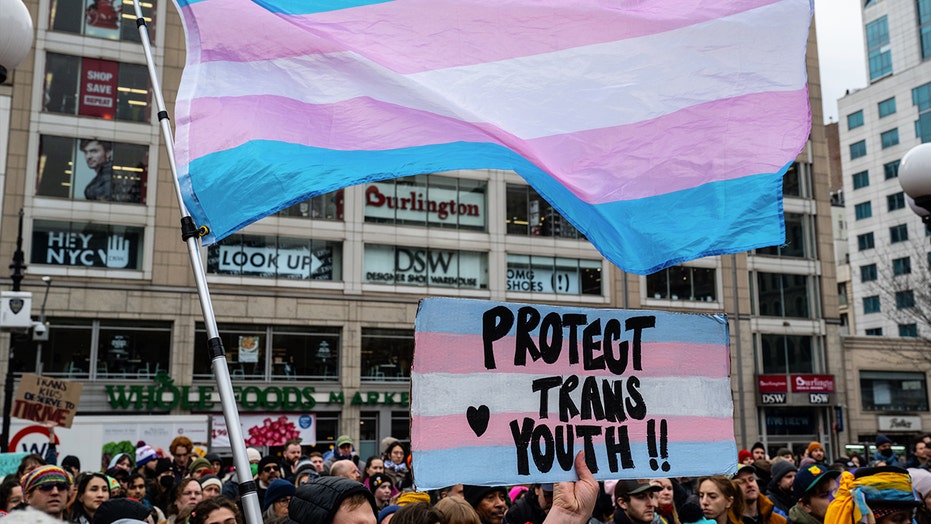

A campus-focused roundup published October 30, 2026, highlights disputes involving religious freedom, parental rights, transgender participation in sports and socialism’s appeal among students. The report describes a Colorado family’s claim that children were denied $12,000 in preschool assistance because of their Catholic faith. It also covers a Rhode Island school district accused of concealing gender transitions from parents and a Michigan school board vote restricting girls’ sports participation to biological females.
The collection also examines the gap between idealistic support for socialism and the practical realities associated with the system. Together, the items reflect continuing conflicts over education policy, religious identity, family authority and political beliefs on and around college campuses.
| 1) | Catholic family challenges preschool aid decision |
| 2) | Rhode Island district faces parental notification allegations |
| 3) | Michigan board adopts a girls’ sports restriction |
| 4) | Socialism’s campus appeal meets practical questions |
| 5) | A broader debate over education and family authority |
Catholic family challenges preschool aid decision
The first case concerns a Colorado mother who says her children were denied $12,000 in preschool assistance because of the family’s Catholic faith. The dispute has escalated toward a Supreme Court showdown, placing the question of religious eligibility for public support at the center of the conflict.
The available account does not identify the specific preschool program, the children or the legal arguments presented by each side. It does establish why the case matters: the outcome could address how government-supported education benefits apply when families choose religious institutions or identify with a particular faith.
Rhode Island district faces parental notification allegations
A Rhode Island school district is accused of hiding students’ gender transitions from their parents. The allegation concerns how schools communicate with families when students adopt a different gender identity or seek related changes in their school records or daily treatment.
The report presents the issue as an exclusive allegation and does not provide a ruling, a district response or details about the students involved. The central questions are who should make decisions about minors, what information schools must share, and how districts should balance student privacy with parental authority.
Michigan board adopts a girls’ sports restriction
A school board in Michigan voted to ban biological males from competing in girls’ sports, marking a significant policy shift for the district. The measure addresses eligibility in school athletics and reflects the continuing national debate over transgender participation in women’s and girls’ competition.
The report does not specify the board’s name, the vote count, the policy’s implementation date or whether legal challenges followed. It describes the decision as a major change, with supporters and opponents likely focused on fairness, athletic opportunities, inclusion and the authority of local school boards.
Socialism’s campus appeal meets practical questions
The roundup also considers the growing appeal of socialism among college students and describes that support as facing an “idealistic” reality check. The discussion is framed around the contrast between the promise of a political and economic system and the practical consequences of putting its principles into effect.
No polling figures, campus names or individual student comments are provided. The item instead presents a broad political observation about college campuses, where ideological movements can gain attention while also confronting questions about governance, economic results and day-to-day implementation.
A broader debate over education and family authority
Taken together, the four subjects show how education disputes extend beyond classroom instruction. Religious identity is central to the Colorado aid case, parental involvement is at issue in Rhode Island, athletic eligibility drives the Michigan policy debate, and political ideology shapes the discussion about socialism on college campuses.
The cases are presented as separate developments from different locations, but they share a common question about who sets rules affecting students and families. The available information does not resolve the underlying disputes, making court proceedings, district responses and further policy decisions important next steps.
| 1 | A Colorado mother says her children were denied $12,000 in preschool aid because of their Catholic faith. |
| 2 | A Rhode Island district faces allegations that it concealed students’ gender transitions from parents. |
| 3 | A Michigan school board voted to prohibit biological males from girls’ sports. |
| 4 | The roundup examines socialism’s growing appeal among college students. |
| 5 | The cases raise broader questions about religious freedom, parental rights and school policy. |
Summary
The reported disputes illustrate the breadth of current education and campus conflicts. They involve public assistance and religious belief, schools’ responsibilities to parents, rules for transgender athletes and the practical implications of political movements. The cases remain subject to further legal, administrative and public debate.
Frequently Asked Questions
What is the Colorado dispute about?
A Colorado mother says her children were denied $12,000 in preschool assistance because of the family’s Catholic faith. The matter is described as heading toward a Supreme Court showdown.
What policy did the Michigan school board approve?
The board voted to ban biological males from competing in girls’ sports. The available report does not identify the district or provide the vote count.
What allegation was made against the Rhode Island school district?
The district was accused of hiding students’ gender transitions from their parents. The report does not include a final finding or the district’s response.
What wider issue does the roundup address?
It connects separate controversies involving religious freedom, parental authority, transgender sports policy and the appeal of socialism among college students.
