

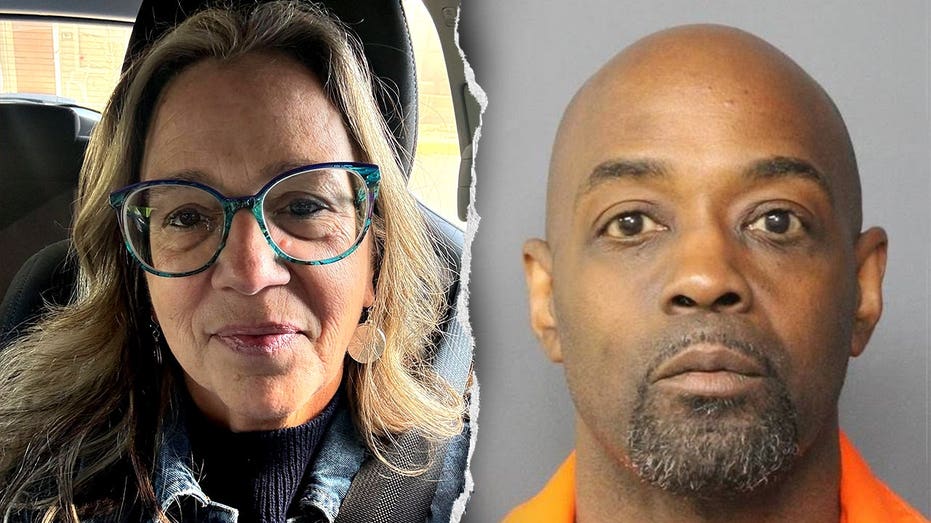

A Virginia Navy veteran says she was blindsided by notice that the man convicted of raping her in 1992 could soon receive a parole hearing. Anthony Favors accepted a plea deal in September 2025 after DNA evidence connected him to the cold case more than three decades later. Although he received a 24-year sentence, an earlier conviction and Virginia’s former sentencing rules may make him legally eligible for discretionary parole consideration. The possible review has left the survivor questioning the justice system and preparing to relive the attack before a parole board.
| 1) | DNA evidence reopened a decades-old Virginia rape case |
| 2) | A plea agreement resulted in a 24-year sentence |
| 3) | Earlier conviction created a path to parole review |
| 4) | Survivor says possible hearing has renewed her trauma |
| 5) | The parole process and next steps remain uncertain |
DNA evidence reopened a decades-old Virginia rape case
The case began on Valentine’s Day in 1992, when Amy, an active-duty Navy sailor, was raped at her apartment in Norfolk, Virginia. She reported directly to her shift aboard a Navy ship after the assault, but the crime remained unresolved for 33 years. A DNA hit in 2024 linked the evidence to Anthony Favors, a convicted rapist who was already serving a sentence for another rape committed in March 1992.
The investigation eventually moved forward after forensic evidence identified Favors as the suspect. The case had initially involved six indictments, including allegations of abduction and burglary, before prosecutors and the defense reached a plea agreement.
A plea agreement resulted in a 24-year sentence
In September 2025, Favors, then 57, pleaded guilty to two counts of rape. In exchange, he received a 24-year prison sentence. Norfolk Judge Everett A. Martin Jr. ordered 12 years for each count, with the terms running consecutively.
The sentence followed the DNA breakthrough and formally resolved the long-unsolved case. For Amy, the conviction appeared to provide a measure of closure after decades of living with the effects of the assault. That sense of finality changed months later when she received an automated VINE notification saying the Virginia Parole Board could review Favors’ case.
“I finally get some sort of closure and justice. And then I get a text. Nobody yet has told me how he’s even eligible for parole.”
Earlier conviction created a path to parole review
Norfolk Commonwealth’s Attorney Ramin Fatehi said Favors will likely receive a discretionary parole hearing within the next few months. Fatehi explained that the potential review resulted from an overlap involving Favors’ earlier rape conviction and the length of time he has been incarcerated.
Favors was serving a 60-year sentence for the separate 1992 rape when DNA evidence connected him to Amy’s case. Because both offenses occurred before January 1, 1995, Virginia’s former sentencing laws allow the parole board to consider release in circumstances that would not apply in the same way to later crimes. Fatehi said the eligibility is theoretical and that the chance of Favors actually being released is “slim chance to zero.”
Survivor says possible hearing has renewed her trauma
Amy said the prospect of a hearing has revived symptoms that have shaped her life since the attack. She described severe post-traumatic stress disorder, chronic sleep deprivation and hypervigilance, including repeatedly checking and rechecking her door locks. She also said intensive trauma therapy had helped her make progress, but a new proceeding could force her to revisit the assault and explain why Favors should remain imprisoned.
“If you took the Amy before my rape and the Amy after my rape, I am two different people,” she said. She plans to ask the parole board for a three-year deferral, rather than face the possibility of having to relive the attack annually.
Heather Keeley, director of the nonprofit advocacy group Stand Tall, said repeated parole proceedings can add to the burden already carried by survivors. Amy also fears that releasing people convicted of sexual offenses could discourage other victims from reporting crimes.
The parole process and next steps remain uncertain
The Virginia Parole Board does not publicly list its complete hearing schedule, although it posts monthly parole decisions on its official website. The board’s potential review would determine whether Favors should be released under the discretionary system, not automatically end his sentence.
Amy said she intends to participate because she wants to speak for herself and for other victims who cannot advocate publicly. Favors’ defense attorney did not immediately respond to a request for comment. A request for comment was also made to the office of Virginia Gov. Abigail Spanberger.
| Number | Key Point |
|---|---|
| 1 | DNA evidence linked Anthony Favors to a 1992 Norfolk rape after 33 years. |
| 2 | Favors received 24 years after pleading guilty to two counts of rape in September 2025. |
| 3 | Virginia’s pre-1995 sentencing rules may permit discretionary parole consideration. |
| 4 | The survivor says the possible hearing has renewed longstanding PTSD symptoms. |
Summary
The possible parole review stems from Virginia’s older sentencing framework and Favors’ prior rape conviction, not from a reduction of the 24-year sentence imposed in the cold case. While officials describe release as highly unlikely, the hearing itself could require Amy to revisit the attack and argue for her continued safety. The case highlights the lasting effects of unresolved violent crime and the difficult balance between parole procedures and survivors’ need for stability.
Frequently Asked Questions
Why could Anthony Favors be considered for parole?
The offenses occurred before January 1, 1995, when Virginia’s former sentencing laws applied. His earlier conviction and long incarceration may make him theoretically eligible for discretionary review.
Has Favors been granted parole?
No. Officials said a hearing is likely, but the reported possibility of release remains highly unlikely. A hearing would not itself grant parole.
What is the survivor asking the parole board to do?
Amy plans to request a three-year deferral so she is not required to repeatedly relive the attack in annual proceedings.
When might the hearing occur?
Norfolk Commonwealth’s Attorney Ramin Fatehi said the discretionary hearing will likely take place within the next few months, although the board does not publicly post its complete schedule.
