

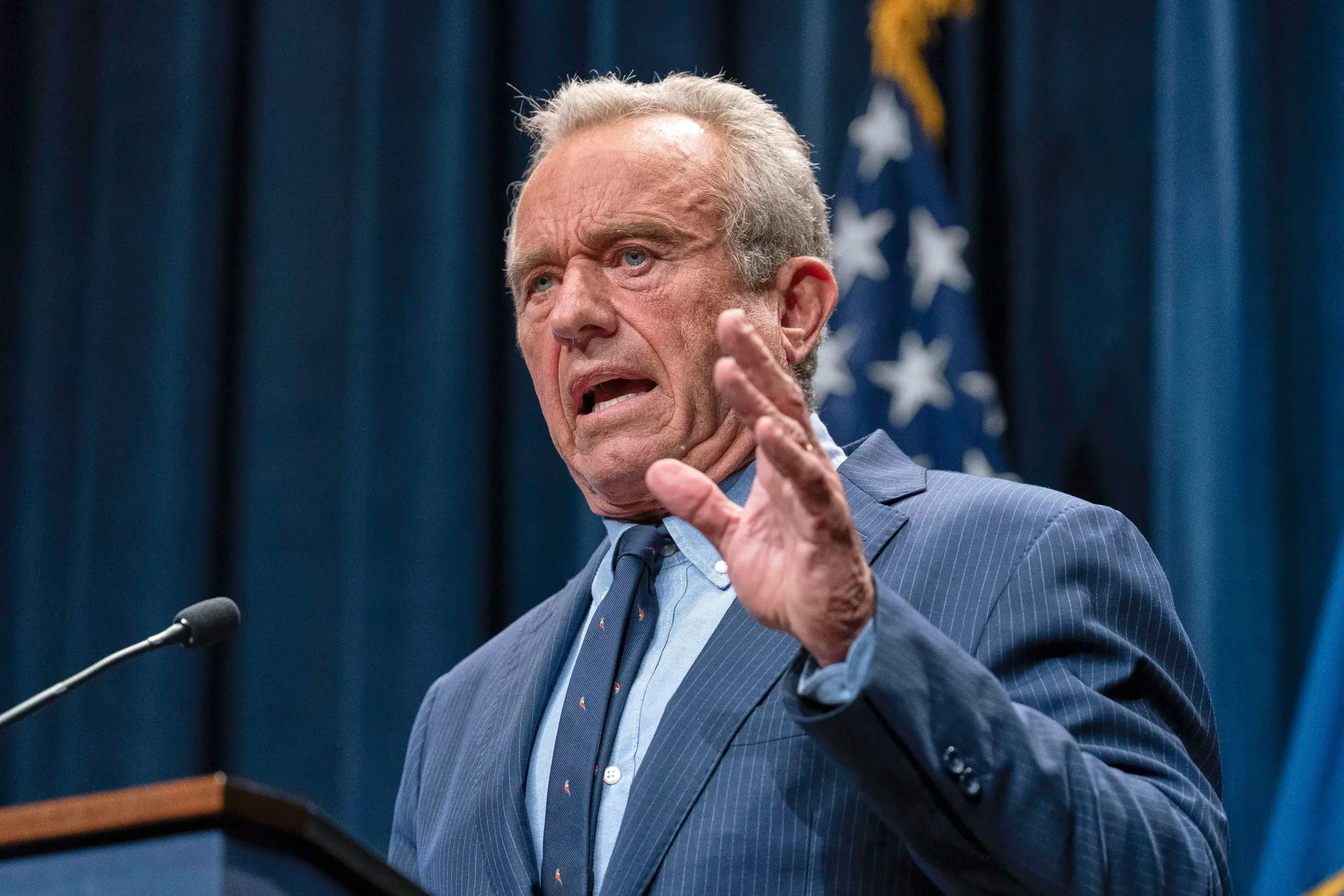

The United States is facing a significant public health crisis as it has lost its measles elimination status for the first time in over 25 years, with more than 5,400 confirmed cases reported this year. Health and Human Services Secretary Robert F. Kennedy Jr. has come under fire from Democratic leaders who attribute the decline in vaccination rates to his stance on vaccines. As the country experiences its worst measles outbreak since 1991, officials are calling for urgent measures to restore immunization rates and public health standards.
| Article Subheadings |
|---|
| 1) Resurgence of Measles Cases in the U.S. |
| 2) Criticism of Health Officials |
| 3) The Role of Vaccination |
| 4) Implications for Public Health |
| 5) Response from Government and Health Authorities |
Resurgence of Measles Cases in the U.S.
The resurgence of measles in the United States comes amid a disturbing decline in vaccination coverage. The Pan American Health Organization revealed that this year has seen more than 5,400 confirmed cases, a figure that has not been matched in over three decades. This spike in cases reflects a broader resurgence of vaccine-preventable diseases, which poses significant risks to public health and safety.
The current outbreak has led to a reevaluation of health policies aimed at preventing measles, especially considering that the U.S. had prided itself on its elimination status, achieved in 2000 after extensive immunization efforts. However, the recent data indicate a reversal of these hard-won gains. The CDC has reported a sharp rise in cases, doubling the total of 2025 cases, illustrating the urgency of addressing the vaccination gap that has emerged.
Criticism of Health Officials
Shortly after the announcement of the loss of elimination status, Kathy Hochul, the Governor of New York, expressed her alarm and frustration towards Secretary Kennedy. She accused him of contributing to this public health crisis through years of promoting vaccine skepticism, which she argued has undermined public trust in vaccination programs. Hochul pointed out that New York has recently reported its first measles-associated death in over 30 years, emphasizing the severe consequences that can arise from declining vaccination rates.
Other prominent figures, such as Josh Shapiro, the Governor of Pennsylvania, echoed this sentiment. He was outspoken about linking vaccine misinformation and skepticism, attributed to Kennedy’s comments and stance, to the current measles epidemic. Shapiro called attention to the “clear line” connecting public health misinformation to the severe outcomes being faced today.
The Role of Vaccination
Vaccination remains a critical element in the fight against measles and other infectious diseases. In his public statements, Secretary Kennedy reaffirmed his commitment to promoting the MMR vaccine (measles, mumps, rubella) as the most effective tool for preventing measles outbreaks. He emphasized the importance of restoring vaccination rates to mitigate the risks associated with the current outbreak and protect American families.
The CDC has stressed that the measles elimination designation itself does not protect citizens; instead, it’s the vaccination rates that safeguard public health. Despite this, vaccination rates have fallen from 95.2% during the 2019-2020 school year to 92.7% in 2023-2024 among kindergarteners. The drop in immunization, linked partly to disruptions caused by the COVID-19 pandemic, has led to an environment ripe for outbreaks.
Implications for Public Health
The loss of measles elimination status can have far-reaching consequences for public health policies and immunization strategies in the U.S. Experts warn that a decline in vaccination coverage not only jeopardizes the health of the unvaccinated but also risks outbreaks that can affect entire communities. Children, particularly those who are immunocompromised or unable to receive vaccines for medical reasons, are acutely vulnerable to infections.
The implications extend beyond immediate health concerns; public health systems must now allocate additional resources towards outbreak prevention and response. This includes enhancing educational campaigns to rebuild trust in vaccinations, addressing misinformation, and ensuring that healthcare providers can access the resources necessary to support vaccination initiatives.
Response from Government and Health Authorities
In light of the escalating crisis, government officials and health authorities are scrambling to address the outbreak. The CDC has committed approximately $100 million in funding to strengthen state and local health departments’ capacity to manage the outbreak and prevent further spread. This funding aims to bolster vaccination campaigns and increase public awareness regarding the importance of immunization.
Kennedy’s administration is up against significant scrutiny, with Democratic leaders calling for urgent and decisive leadership to restore trust in the vaccination process. The political ramifications of losing measles elimination status include calls for Kennedy’s removal from office, reflecting the seriousness with which officials view the situation.
| No. | Key Points |
|---|---|
| 1 | The U.S. lost measles elimination status for the first time in over 25 years due to declining vaccination rates. |
| 2 | More than 5,400 confirmed measles cases have been reported in 2026, the highest in decades. |
| 3 | Prominent figures such as Governor Hochul criticize Secretary Kennedy for his role in fostering vaccine skepticism. |
| 4 | Vaccination remains the primary tool to combat measles and restore public health safety. |
| 5 | CDC has allocated funds to bolster vaccination campaigns and manage the outbreak effectively. |
Summary
The loss of measles elimination status signals a critical need for revitalizing public health strategies in the U.S. As vaccination rates plummet amidst rising misinformation, health officials face immense pressure to protect communities and reduce outbreaks. The situation underscores the importance of public health education, trust in vaccination programs, and addressing misinformation to prevent further health crises.
Frequently Asked Questions
Question: What led to the loss of measles elimination status in the U.S.?
The United States lost its measles elimination status due to a significant rise in cases linked to declining vaccination rates. As over 5,400 confirmed cases have been reported in 2026, the public health system has faced criticism for not adequately addressing vaccine skepticism.
Question: How does vaccination help prevent measles?
Vaccination helps create herd immunity, reducing the likelihood of outbreaks and protecting vulnerable populations. The MMR vaccine is the most effective means to prevent measles, mumps, and rubella infections, which can lead to severe health complications.
Question: What are the consequences of declining vaccination rates?
Declining vaccination rates can lead to a resurgence of infectious diseases, such as measles, which can cause outbreaks and public health emergencies. This can disproportionately affect unvaccinated children and pose significant health risks to communities.
