

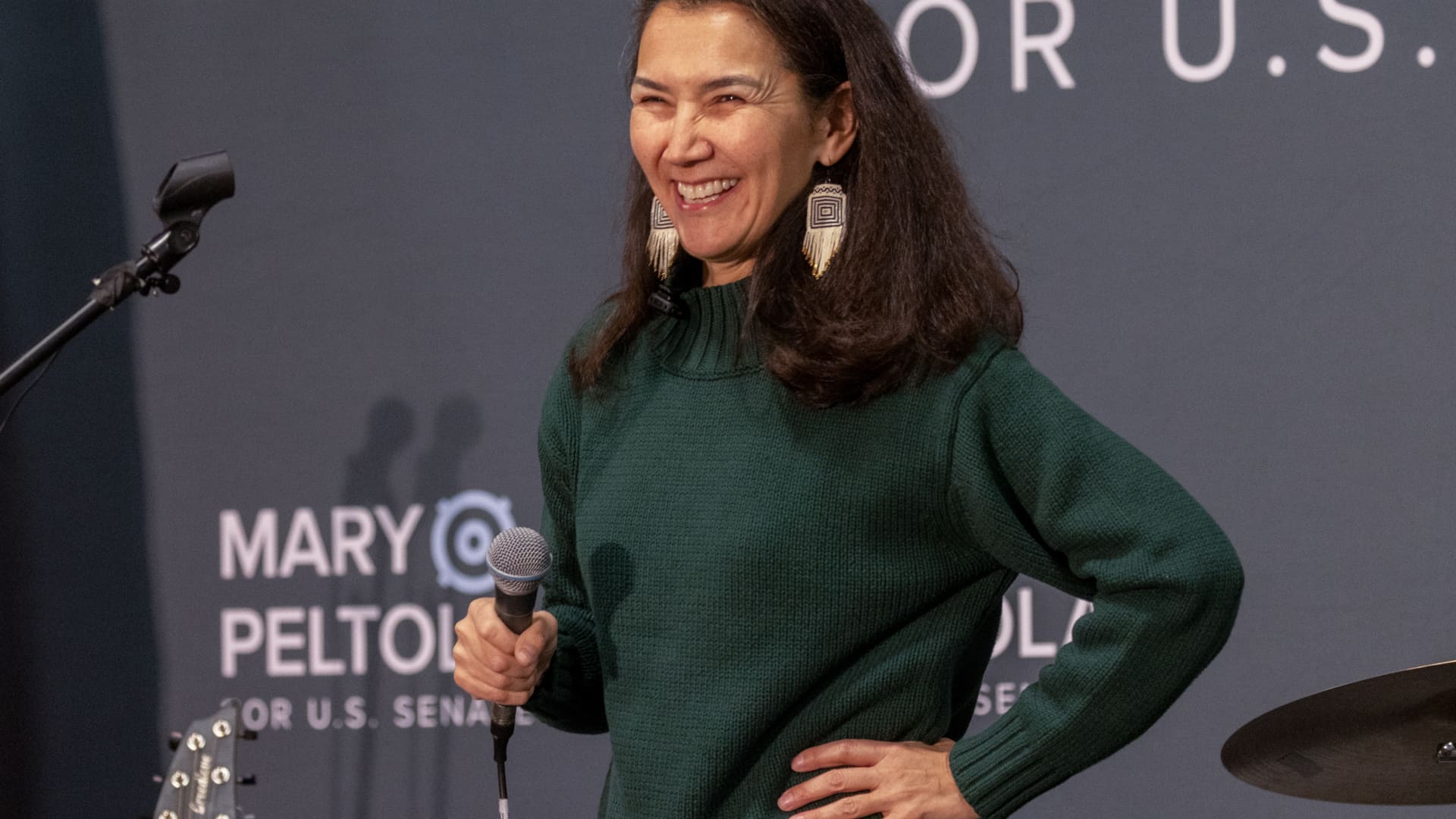

In a significant political shift, former Representative Mary Peltola has won the Alaska Senate election, becoming a Democratic candidate in a highly competitive race. Her victory over incumbent Republican Senator Dan Sullivan marks a notable moment in the 2026 midterm elections, which are widely regarded as one of the most successful for Democrats in decades. The race faced scrutiny due to the presence of an independent candidate with a similar name, raising concerns about potential voter confusion and leading to a federal investigation.
| Article Subheadings |
|---|
| 1) Overview of the Election Results |
| 2) Controversy Surrounding the Race |
| 3) Peltola’s Campaign Messages |
| 4) Implications for the Democratic Party |
| 5) Future Outlook for Alaska |
Overview of the Election Results
In a closely contested election, Mary Peltola secured her seat in the Senate with 50.1% of the vote, while incumbent Dan Sullivan garnered 45.8%. The election, the last of the midterm cycle to be called, concluded two weeks after Election Day. Gerald Heikes, another Republican candidate, received 2.1% of the votes, and an independent candidate, Daniel J. Sullivan, who shares a name with the incumbent, managed 1.6%.
Peltola’s victory is emblematic of a larger Democratic wave in the 2026 electoral cycle, during which the party successfully flipped various Senate seats that have long been held by Republicans. The midterms overall have been hailed as a remarkable success for the Democratic party, reflecting sentiments that have percolated among the electorate throughout the campaign season.
Controversy Surrounding the Race
The Alaska Senate race was steeped in controversy, primarily due to the independent candidate sharing the name of the incumbent, which led to allegations that Peltola’s campaign intentionally sought to create voter confusion. This strategic move was perceived by some as an attempt to mislead constituents, ultimately leading to a lawsuit filed by the Department of Justice. The lawsuit seeks to delay the certification of the election results to investigate whether voter confusion impacted the election outcome.
As the situation unfolds, the Justice Department is appealing the dismissal of the civil suit associated with this matter, while a separate criminal inquiry is also underway. This investigation relates to the decision of the independent candidate to enter the race and is a point of contention as it may affect the legitimacy of the election results. The atmosphere has been charged, with implications that could reverberate beyond Alaska if voter confusion is found to have played a significant role.
Peltola’s Campaign Messages
Throughout her campaign, Mary Peltola focused her message on the immediate concerns of Alaskans. She emphasized the pressing issues confronting local communities, including the struggles faced by families regarding food security and affordable housing. In a statement following her victory, Peltola highlighted her conversations with Alaskan elders, relaying experiences of hardship, such as empty fish racks and increasingly challenging living conditions.
“From Juneau to Utqiagvik, the message from Alaskans is clear: the status quo in DC is not working for Alaska,” Peltola stated, underscoring her intent to advocate for the needs of her state. Her campaign resonated with voters tired of corporate greed and high living costs, reinforcing a narrative that a representative from Alaska should prioritize the interests of the people over outside corporate influences.
Implications for the Democratic Party
Peltola’s victory bolsters the Democratic Party’s position in the Senate, with the party now holding a total of 56 seats beginning in January. This significant gain not only strengthens their legislative power in the chamber but also displays a shift in voter sentiment across the country, suggesting a rejection of long-standing Republican dominance in many areas. With the Democrats flipping nine Senate seats during this election cycle, it indicates broader public support for their policies and platforms, as the party appears to be evolving into a more formidable force in Alaskan politics.
Moreover, Peltola and Senator-elect Peggy Flanagan make history as the first two Native American women elected to the United States Senate. This milestone marks a significant step forward in representation, inspiring future generations to pursue political careers. The Democratic Party, while facing internal challenges, sees Peltola’s win as an affirmation of their efforts to diversify and connect with the electorate on various critical issues.
Future Outlook for Alaska
As former Representative Mary Peltola transitions into her new role as Senator, Alaskans are watching closely to see how her priorities might shape the future of their state. Her commitment to addressing vital local issues is evident, and voters are hopeful that her voice will lead to meaningful policy changes that prioritize the welfare of Alaskan communities. The historical significance of her election as a Native woman represents not only a personal triumph but also reflects a changing landscape in Alaskan politics.
Moving forward, Peltola’s leadership may pivot toward ensuring Alaskan voices are more pronounced in national conversations, particularly regarding environmental policy, indigenous rights, and economic inequality. Her advocacy on these fronts could significantly impact the state’s political climate, as well as its relationship with federal agencies and legislators.
The road ahead may be complicated, given the ongoing investigations surrounding her election, yet the overall enthusiasm for her leadership might catalyze change that has been long-awaited by Alaskans facing mounting challenges.
| No. | Key Points |
|---|---|
| 1 | Mary Peltola won the Alaska Senate election, defeating incumbent Dan Sullivan. |
| 2 | Peltola received 50.1% of the vote amidst claims of voter confusion due to a similarly named candidate. |
| 3 | The Department of Justice has initiated investigations regarding the election results. |
| 4 | Peltola’s victory contributes to a Democratic majority in the Senate with 56 seats. |
| 5 | Peltola and Peggy Flanagan become the first Native American women to serve in the Senate. |
Summary
The election of Mary Peltola as Alaska’s new senator marks a pivotal turning point for both the state and the Democratic Party, reflecting a wave of support for change in Washington. As the party navigates a significant shift in representation, Peltola’s platform and her focus on pressing Alaskan issues are expected to resonate in her upcoming term. Amidst a backdrop of controversy and federal investigation, her leadership will be closely scrutinized while touching upon broader themes of voting access and political accountability.
Frequently Asked Questions
Question: What were the primary issues raised by Peltola during her campaign?
Mary Peltola focused on addressing the struggles of food security, affordable housing, and corporate influence on everyday life in Alaska.
Question: What is the significance of Peltola’s victory in terms of representation?
Her election, alongside Peggy Flanagan, marks the first time two Native American women will serve in the U.S. Senate, representing a significant step forward for diversity in political representation.
Question: Why is there a federal investigation related to the Alaska Senate election?
The Department of Justice has launched an investigation into allegations of voter confusion related to the presence of an independent candidate with a similar name to the incumbent, potentially impacting the election’s legitimacy.
