

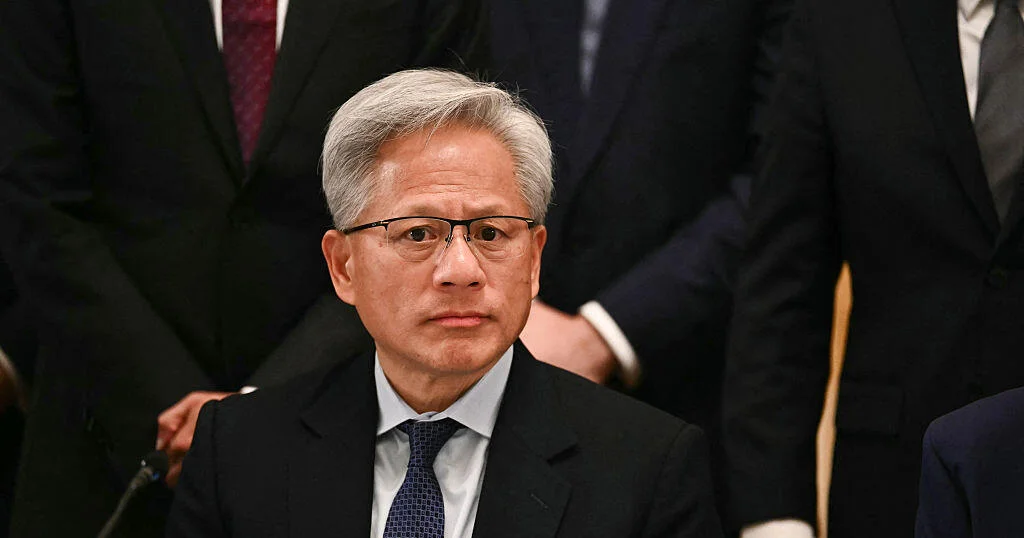

In a significant development involving Nvidia’s former CEO, Jensen Huang, lawmakers from both the House and Senate have called for his testimony amid allegations concerning a relationship with a woman believed to be linked to Chinese espionage. Huang has agreed to provide answers under the threat of a subpoena, highlighting the serious implications of foreign influence on technology and national security in the United States. This article delves into the details surrounding the inquiry, the context of the allegations against Huang, and the broader implications for Nvidia and national security.
| Article Subheadings |
|---|
| 1) Allegations of Espionage Involving Nvidia |
| 2) The Testimony Process Ahead |
| 3) Implications for National Security |
| 4) The Role of Megaspeed in This Investigation |
| 5) The Legislative Response and Future Actions |
Allegations of Espionage Involving Nvidia
The investigation into Jensen Huang is centered around serious allegations involving his relationship with Alice Huang, a former executive at Megaspeed, a Singapore-based data center company. This relationship raises questions regarding access to Nvidia’s tech assets deemed sensitive under U.S. export laws. The investigators are particularly focused on the implications of a potential connection to foreign intelligence, as there are concerns that Alice Huang may have ties to Chinese espionage activities. This scrutiny follows reports that Megaspeed allegedly gained illicit access to Nvidia’s cutting-edge chips, which are restricted from being exported to China due to national security laws.
In light of these events, lawmakers have expressed the necessity of clarifying the extent of Huang’s involvement and the security measures Nvidia has implemented to safeguard against foreign espionage threats.
“It is vital that Congress determines the extent to which U.S. national security has been placed at risk,”
legislators noted in their initial inquiries, stressing the urgent need for detailed answers regarding Nvidia’s protocols against foreign adversaries.
The Testimony Process Ahead
As the investigation progresses, Jensen Huang has committed to testifying publicly before the Senate Banking Committee. Although the date of this public hearing has not yet been set, it highlights the lawmakers’ intent to publicly address these serious allegations. Additionally, Huang will participate in a closed-door transcribed interview with three House committees on December 1. The closed nature of this session underscores the sensitive nature of the information that may be discussed, which presumably would include Nvidia’s dealing with foreign entities and the potential security breaches that may have resulted from these interactions.
This subpoena threat reflects the broader legislative push to ensure accountability from tech leaders regarding national security concerns. House Foreign Affairs Committee Chairman Brian Mast remarked on the necessity for clarity on Nvidia’s role in potentially jeopardizing national security through its dealings with foreign actors, particularly the People’s Republic of China. The unfolding scenario raises essential discussions about corporate responsibility and the heightened scrutiny of technology firms in an era of increasing geopolitical tensions.
Implications for National Security
The implications of this investigation extend beyond the personnel involved; they touch upon larger national security issues linked to the U.S. tech sector. The possibility that a major company like Nvidia may have compromised national security protocols reinforces the need for tighter regulations in the tech industry. Lawmakers have indicated that a thorough examination of security measures at Nvidia is essential to ensure that advanced technologies do not fall into the hands of foreign adversaries.
The situation reflects a growing concern in Washington regarding the intersection of technology and security. As global tensions rise, particularly with China, U.S. lawmakers are more inclined to probe tech companies for their connections and dealings with international partners. This increased vigilance could lead to new policies aimed at safeguarding U.S. innovations and technologies from potential espionage threats, altering how tech firms operate within a global market.
The Role of Megaspeed in This Investigation
Megaspeed, the company connected to Alice Huang, is at the center of the scrutiny surrounding this investigation. Accusations have surfaced that Megaspeed engaged in activities related to the smuggling of Nvidia’s advanced chips into China, actions that are illegal under U.S. law. The investigation by both U.S. and Singaporean authorities highlights the international aspect of this case – a dimension that complicated the evolving narrative and ushered in greater urgency from Congress.
As Megaspeed denies these allegations, the investigators are tasked with examining the evidence to ascertain the validity of the claims. The potential transgressions involving a foreign entity could have dire repercussions for U.S. national security. Enforcing compliance with export controls and ensuring that sensitive technology remains safeguarded is paramount, invigorating calls for reform in the oversight of U.S. tech firms in their dealings with overseas partners.
The Legislative Response and Future Actions
In response to this ongoing situation, the legislative actions taken by Congress signal a serious commitment to maintain national security. Lawmakers have emphasized the importance of reaching definitive answers from Jensen Huang and his team regarding their security measures and their relationships with foreign entities. They issued a deadline for Huang to respond to their request for a transcribed interview, showcasing their determination to hold him accountable.
Lawmakers, including Brian Mast and John Moolenaar, expressed their readiness to enforce subpoenas for compliance if necessary. Their collaborative efforts signify a united front on the issue of national security and corporate responsibility in the tech industry. While Tim Teter, Nvidia’s general counsel, has voluntarily agreed to testify, the anticipation surrounding Huang’s involvement underscores the importance of transparency as Congress proceeds with the investigation, aiming to uncover any and all potential risks to national security.
| No. | Key Points |
|---|---|
| 1 | Jensen Huang has agreed to testify before Congress regarding allegations of his connections to a Chinese spy. |
| 2 | Lawmakers demand clarity on Nvidia’s role concerning national security and foreign espionage. |
| 3 | Megaspeed, linked to allegations of smuggling Nvidia chips into China, is also under investigation. |
| 4 | The ongoing inquiry could lead to stricter regulations in the tech industry to safeguard sensitive technologies. |
| 5 | Lawmakers have issued a subpoena threat to ensure compliance and gather necessary information. |
Summary
The inquiry into Jensen Huang and Nvidia represents a pivotal moment for the intersection of technology and national security. The commitment by lawmakers to seek comprehensive testimony from Huang underscores the growing concerns about foreign espionage and the safeguarding of critical infrastructure. As the investigation unfolds, its findings may encourage legislative reforms aimed at tightening scrutiny of technological exchanges with foreign entities, which is vital in protecting U.S. interests in an increasingly interconnected world.
Frequently Asked Questions
Question: Why is Jensen Huang being investigated?
Jensen Huang is being investigated due to allegations that he has ties with a woman believed to be a Chinese spy, and concerns over how this relationship may have jeopardized U.S. national security through Nvidia’s dealings with foreign entities.
Question: What role does Megaspeed play in this situation?
Megaspeed, a data center company linked to Jensen Huang’s relationship with Alice Huang, is under investigation for allegedly smuggling Nvidia’s advanced chips into China, which raises security concerns under U.S. export laws.
Question: What are lawmakers hoping to achieve through the investigation?
Lawmakers are seeking to determine the extent to which U.S. national security has been compromised and to ensure that adequate security measures are in place at tech companies dealing with sensitive technologies and foreign actors.
