

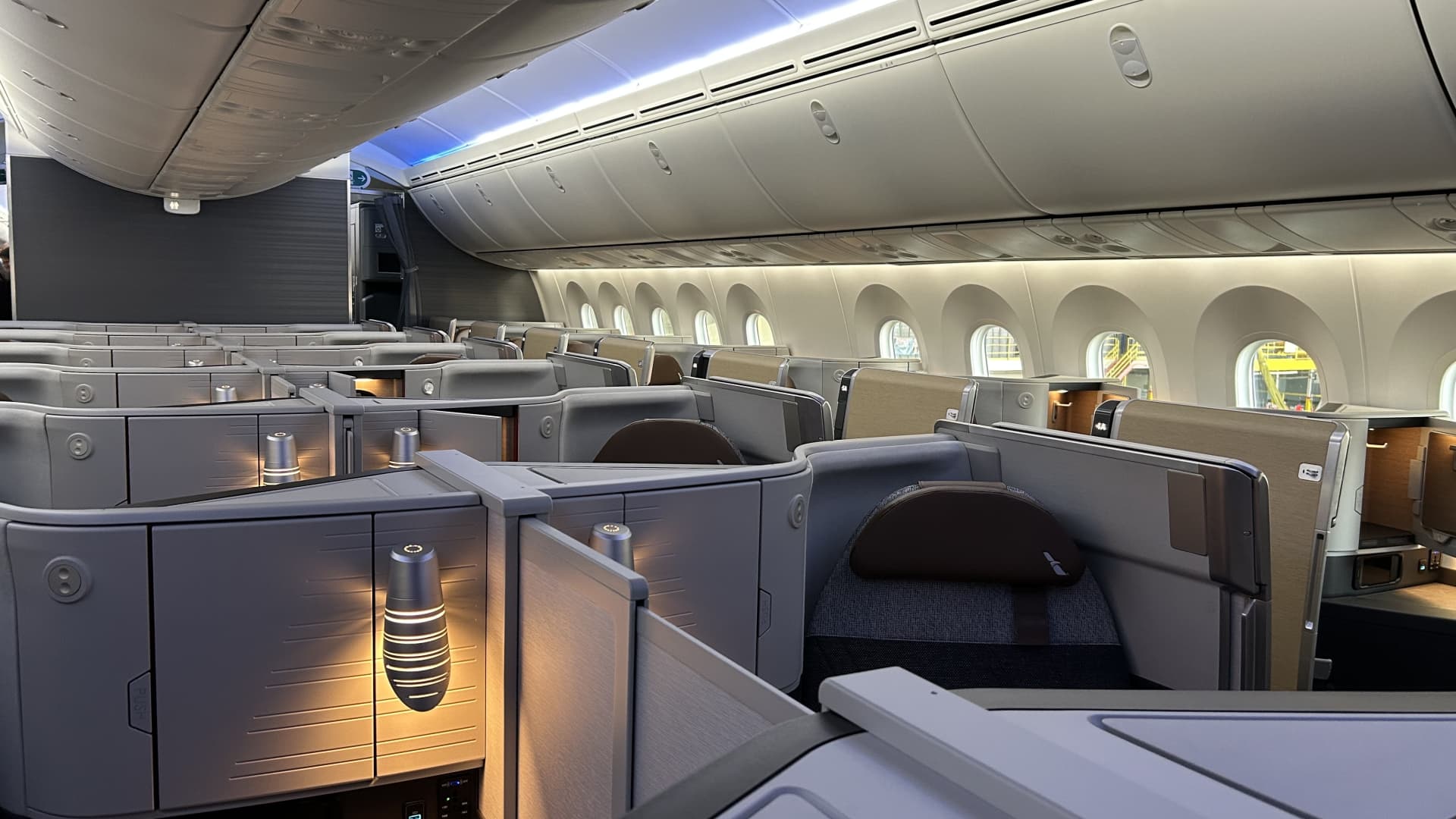

In a significant shift for the airline industry, American Airlines has officially retired its international first-class cabin, with its last flight landing on January 12, 2020. This transition marks the end of an era that has lasted over six decades, during which first-class service was defined by luxury and exclusivity. Instead, the airline will focus on a larger business-class section, allowing for more passengers and improved amenities, in line with trends seen across U.S. carriers that are moving toward enhanced business-class options.
| Article Subheadings |
|---|
| 1) The End of an Era: American Airlines Retires First Class |
| 2) Business Class Takes Center Stage |
| 3) The Difference in Service and Amenities |
| 4) Global Trends: Other Airlines’ Takes on First Class |
| 5) The Future of Air Travel: What Lies Ahead? |
The End of an Era: American Airlines Retires First Class
The recent retirement of American Airlines’ international first class symbolizes a major turning point in commercial air travel. The airline’s last flight with the international first-class cabin took off from Sydney to Los Angeles, marking the conclusion of a service that has catered to luxury travelers since the advent of the jet age more than sixty years ago. During its peak, first class was characterized by exquisite dining, personalized services, and premium space that often included exclusive amenities like personal cabins and fine dining experiences. Despite significant investments in the first-class experience over the years, market trends shifted as airlines began to reassess their cabin offerings.
Business Class Takes Center Stage
As American Airlines transitions away from first class, it is expanding its business-class cabins to fill the void. The new configuration on the Boeing 777-300ER will feature 70 business-class suites, which is the highest number offered by any U.S. airline to date. This shift to a more spacious and enhanced business class aligns with broader industry trends aimed at meeting the demands of modern travelers who seek comfort and luxury without the exorbitant price of first-class tickets. Airlines like Delta and United have already made similar changes, indicating a collective industry move toward larger, upgraded business-class services that cater to the increasing consumer willingness to pay for comfort during long-haul flights.
The Difference in Service and Amenities
Although American has phased out first class, business class will now offer improved amenities that make the travel experience more appealing to passengers. Recent enhancements include private suites, larger screens for in-flight entertainment, and advanced technology features such as device charging stations. In-flight service is also set to see a significant upgrade, with airlines investing in better quality food and beverage options that enhance the overall in-flight experience. Some travelers may not even notice a significant difference between business and what was previously offered in first class, contributing to a more egalitarian flying experience.
Global Trends: Other Airlines’ Takes on First Class
While U.S. airlines are moving away from first class, international airlines are still keen on maintaining exclusive experiences for their premium cabin travelers. Carriers such as Singapore Airlines, Lufthansa, British Airways, and Air France continue to invest in improving their first-class offerings. These airlines have introduced new cabin designs, enhanced dining options, and innovative amenities tailored to the preferences of high-paying travelers. British Airways, for instance, has announced plans to configure its Airbus A380 aircraft to feature 106-suite business class while simultaneously upgrading its first-class sections.
The Future of Air Travel: What Lies Ahead?
The evolving landscape of air travel, including the retirement of first class on U.S. airlines, indicates a growing trend toward segmentation within the business-class category. Airlines are exploring various business class segments, such as basic and premium options, to tailor the experience based on consumers’ willingness to pay. This evolution reflects not just a response to economic demands but a broader shift in consumer expectations for comfort, luxury, and value. Notably, airlines are also introducing premium economy sections, offering enhanced experiences without the costs associated with business or first class, appealing to a diverse range of consumers.
| No. | Key Points |
|---|---|
| 1 | American Airlines has officially retired its international first-class cabin. |
| 2 | The airline is enhancing its business-class offerings with more suites and upgrades. |
| 3 | Other airlines globally continue to invest in first-class amenities and services. |
| 4 | business class is becoming increasingly competitive as airlines innovate and segment offerings. |
| 5 | Premium economy sections are increasingly popular among travelers seeking better experiences without high costs. |
Summary
The retirement of American Airlines’ international first class signals a significant shift in the airline industry, where comfort and luxury are being redefined within the business class. As airlines adapt to changing consumer expectations and competitive pressures, enhanced business-class offerings may fulfill the demands of travelers seeking a quality experience without the prohibitive costs associated with first-class tickets. While it marks the end of an era for first-class travel in the U.S., the global landscape continues to offer luxury options for discerning travelers.
Frequently Asked Questions
Question: What prompted American Airlines to retire its first-class cabin?
The shift away from first class is largely driven by changing market dynamics and passenger preferences. With airlines investing in business class to create a more competitive luxury experience, the demand for first class has diminished, prompting airlines to reevaluate their cabin configurations.
Question: How does business class now compare to the old first class?
Business class has been upgraded with improved amenities and services, essentially closing the gap that existed between business and first class. Enhanced options such as lie-flat seats, larger screens, and better dining experiences are now regularly featured, providing travellers with comfort that rivals what was previously offered in first class.
Question: Are other airlines still offering first-class services?
While U.S. airlines are transitioning away from first class, many international airlines like Singapore Airlines, Lufthansa, and British Airways continue to invest in and enhance their first-class offerings, incorporating luxury suites and personalized services that cater to an exclusive clientele.
