

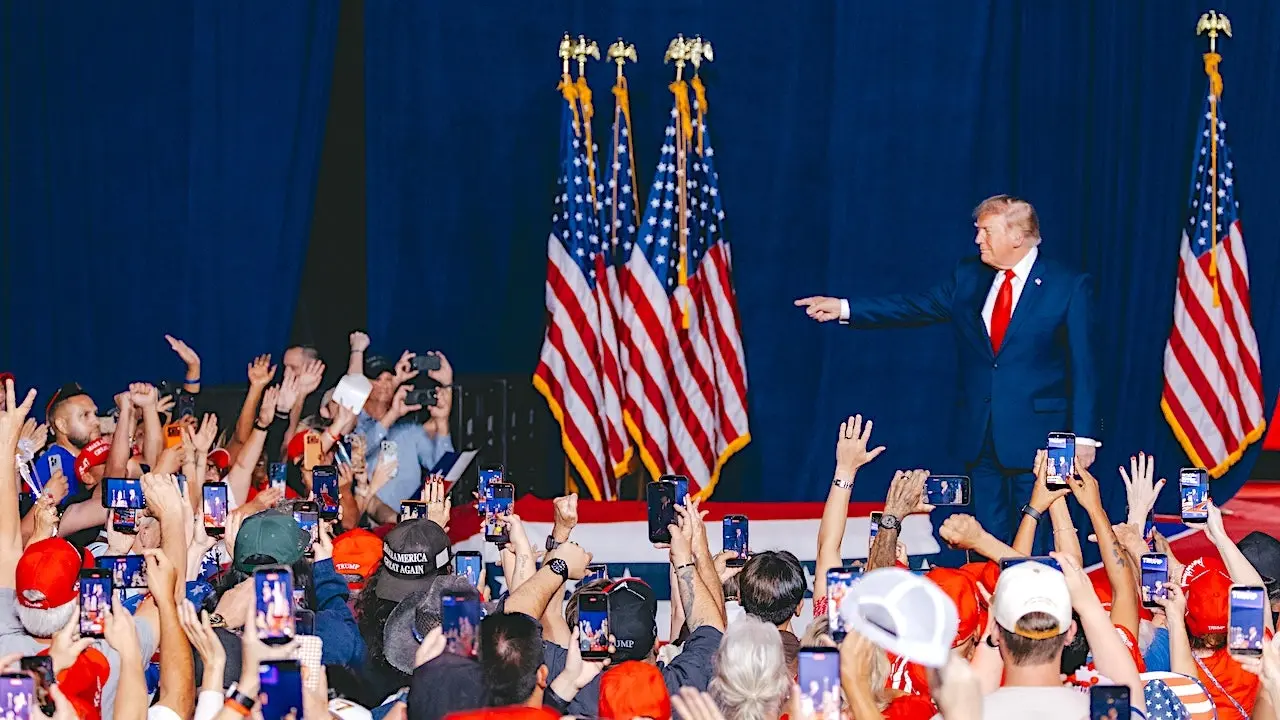

In a significant analysis following the 2026 midterm elections, former Kansas Republican Senator Sam Brownback has attributed the electoral setbacks for the Republican Party largely to former President Donald Trump‘s leadership style. According to Brownback, the outcomes reflected voter disapproval of Trump personally rather than outright rejection of Republican policies. As Democrats reclaimed control of Congress through strategic victories in typically Republican districts, Brownback has called for an introspective shift within the party as it prepares for future electoral challenges.
| Article Subheadings |
|---|
| 1) Midterm Elections and Voter Sentiment |
| 2) Economic Factors in the Election Results |
| 3) Insights from Brownback: Moving Forward |
| 4) Potential 2028 Republican Contenders |
| 5) The Role of Leadership in Republican Strategy |
Midterm Elections and Voter Sentiment
The 2026 midterm elections resulted in a notable shift in power dynamics, with the Democratic Party securing significant victories across traditionally Republican strongholds. The outcomes of these elections have reignited conversations about voter sentiment and the implications of Trump’s leadership style on the Republican Party. Many analysts believe that the election results signal a broader disapproval of Trump that transcends policy disputes and reflects deeper voter frustrations with his approach to governance. According to Brownback, the election was not merely a referendum on the Republican Party’s policies but rather a direct response to Trump’s persona and political style. “Pride comes before a fall,” he stated in an interview, emphasizing the need for Republicans to reflect on how Trump’s leadership was perceived by the electorate.
Economic Factors in the Election Results
Economic issues played a critical role in shaping voter behavior during the 2026 elections. Concerns over the economy, particularly inflation and rising gas prices, emerged as dominant themes influencing voter decisions. A Fox News Voter Poll indicated that a staggering 89% of respondents regarded the cost of living as a crucial factor driving their congressional vote. Concurrently, only 74% acknowledged the war in Iran as similarly impactful, suggesting that economic frustrations were more pronounced than foreign policy considerations in this electoral cycle. Brownback noted that these economic anxieties were coupled with dissatisfaction regarding Trump’s governance style, prompting voters to consider alternatives. As he elaborated, the traditional narrative that midterm losses are standard for a sitting president does not fully account for the unique challenges facing the Republican Party in this context.
Insights from Brownback: Moving Forward
In the wake of the election results, Brownback has called for a recalibration of the Republican Party’s strategies and messaging. He urged party leaders to embrace humility and kindness as key components of their outreach to voters, particularly as they prepare for the upcoming 2028 elections. According to Brownback, many voters expressed a desire to “move on past President Trump” while still acknowledging his administration’s strengths, such as efforts to secure borders. He remarked, “You just can’t be proud. You’ve got to come forward humbly.” This message resonates with the need for Republicans to adapt their communication styles to better connect with constituents, prioritizing empathy and understanding over bravado. The former senator believes that acknowledging voter concerns and adjusting party messaging accordingly can forge a stronger bond between Republican leaders and the electorate.
Potential 2028 Republican Contenders
Looking ahead, speculation surrounding potential candidates for the 2028 Republican presidential nomination is already taking shape. Key figures such as Vice President JD Vance and Secretary of State Marco Rubio have emerged as likely contenders. Vance has indicated that he will make a decision regarding a potential White House bid by spring 2027. Given the recent electoral setbacks, the party’s direction and the candidates’ ability to resonate with both traditional Republican voters and disenchanted constituents will be critical. Observers note that the ability of these candidates to navigate the complex legacy of Trump’s presidency will play an essential role in their campaign strategies.
The Role of Leadership in Republican Strategy
Ultimately, the future of the Republican Party will hinge on its ability to redefine leadership in light of recent electoral outcomes. Brownback highlights the necessity for a thoughtful approach that aligns party principles with voter expectations. He suggests that the party must cultivate a message that champions not only economic conservatism but also resonates emotionally with the electorate. Emphasizing goodness and humility, Brownback argued, “America is great because it’s good.” He emphasizes that the party must uphold its moral ground while also addressing the practical needs of citizens. The intersection of these two elements—ethical leadership and responsiveness to economic concerns—will be vital in re-establishing the Republican Party’s relevance and appeal in the coming years.
| No. | Key Points |
|---|---|
| 1 | Former Kansas Senator Sam Brownback attributes midterm losses to disillusionment with former President Donald Trump. |
| 2 | Voter concerns about economic issues, particularly inflation and living costs, influenced the election results. |
| 3 | Republicans urged to adopt a more humble and kind approach to communicate with voters moving forward. |
| 4 | Potential candidates for the 2028 presidential nomination include Vice President JD Vance and Secretary of State Marco Rubio. |
| 5 | The future of the Republican Party will depend on its ability to balance ethical leadership with economic concerns. |
Summary
The analysis of the 2026 midterm elections underscores the significant challenges facing the Republican Party as it grapples with the implications of Donald Trump‘s leadership style and the current economic climate. With voters expressing a desire for a change in direction, Sam Brownback calls for introspection and adaptation within the party to address these concerns. The 2028 elections loom on the horizon, providing an opportunity for Republicans to redefine their strategy and leadership, potentially reshaping the political landscape in the years to come.
Frequently Asked Questions
Question: What were the primary reasons for the Republicans’ losses in the 2026 midterms?
Former Senator Sam Brownback cites discontent with former President Donald Trump‘s leadership style and major economic issues, such as inflation, as key factors driving voter decisions against Republican candidates.
Question: How important were economic issues in influencing voter behavior during the elections?
Economic concerns were paramount, with 89% of voters indicating that the cost of living significantly impacted their voting choices, overshadowing other critical issues.
Question: What changes does Brownback suggest for Republicans moving forward?
Brownback advocates for a more humble and kind approach to connecting with voters, stressing the need for Republicans to listen to public concerns and adjust their messaging accordingly.
