

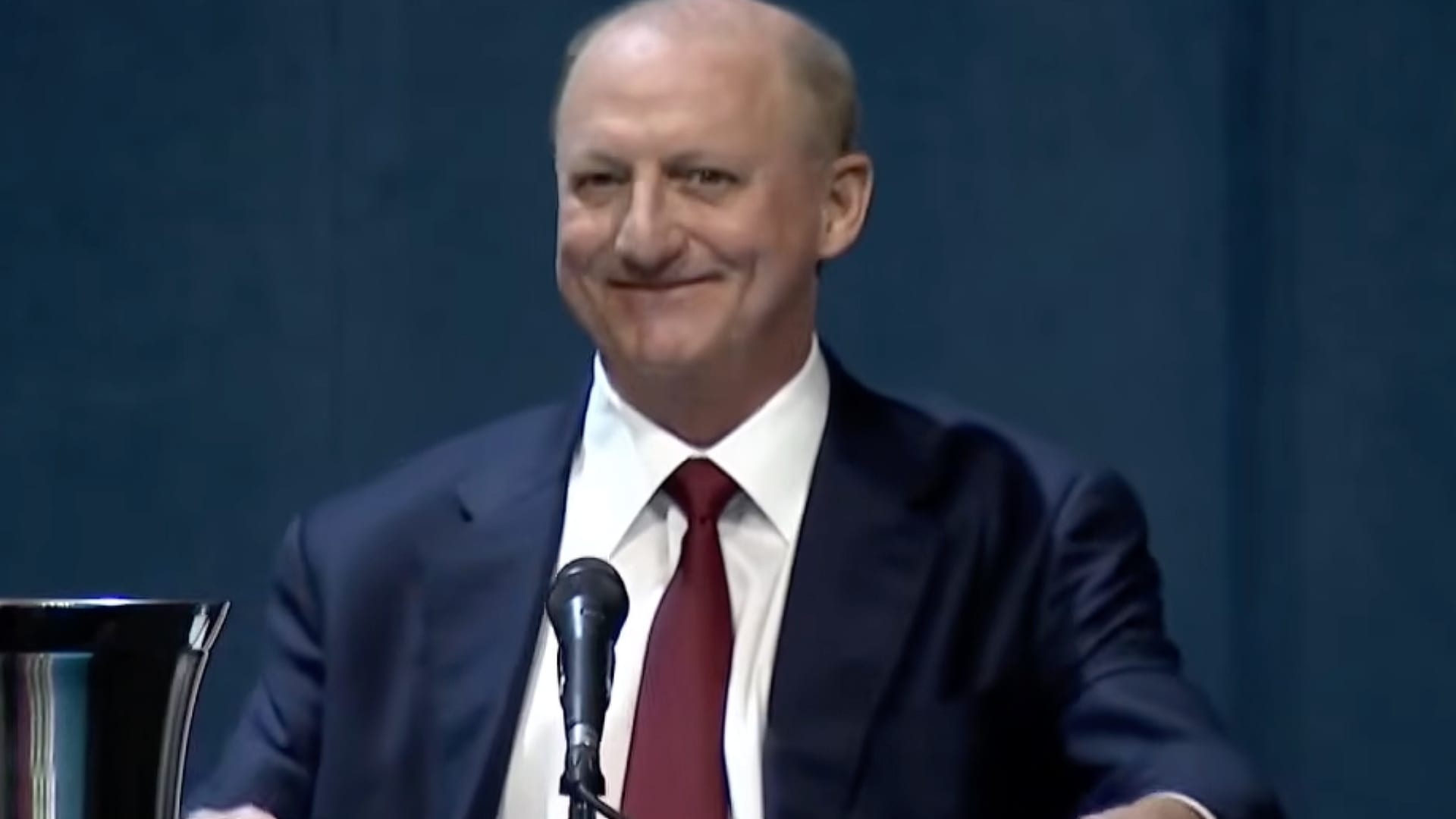

CEO Greg Abel of Berkshire Hathaway announced during the company’s Annual Shareholders Meeting in May 2026 that operating earnings surged by 16% in the second quarter, driven primarily by their robust energy, railroad, and manufacturing sectors. Abel, 64, is not only focused on the company’s financial growth but is also beginning to utilize the substantial cash reserves originally amassed by Warren Buffett, particularly through stock buybacks and strategic investments.
In the second quarter, operating earnings rose to $12.98 billion, a notable increase from $11.16 billion a year ago, despite a downturn in the insurance segment. As Berkshire’s cash reserves lessened due to these financial strategies, Abel’s approach appears to signal a transformative period for the conglomerate.
| Article Subheadings |
|---|
| 1) Operational Growth Amid Challenges |
| 2) Strategic Investment Decisions |
| 3) The Shift in Stock Purchases |
| 4) Adjustments in Cash Reserves |
| 5) Future Outlook for Berkshire Hathaway |
Operational Growth Amid Challenges
Berkshire Hathaway’s financial results for the second quarter demonstrate a remarkable operational growth, with earnings climbing 16% from the previous year. This performance was largely buoyed by notable advancements in several sectors, particularly energy, railroads, and manufacturing. Specifically, manufacturing, service, and retail earnings soared by 24% to $4.47 billion. Berkshire Hathaway Energy recorded a 27% jump in profit, amounting to $891 million, while profits from BNSF Railway also improved with a 6% increase, totaling $1.56 billion.
Despite this positive momentum, the company faced challenges in its insurance division. Underwriting earnings saw a decline of 13%, falling from $1.99 billion to $1.73 billion. Additionally, insurance investment income dropped by 9% to $3.06 billion. This juxtaposition of strong operational growth alongside hurdles in the insurance sector highlights the complexities of Berkshire’s diverse portfolio, reflecting both its strengths and vulnerabilities.
Strategic Investment Decisions
A significant highlight of the quarter was CEO Greg Abel‘s strategic decision to deploy the massive cash accumulated under former CEO Warren Buffett. The impending transition of power has led to increased scrutiny and expectations from shareholders for more active capital management. In line with this, Berkshire has repurchased approximately $4.5 billion of its own shares during the quarter, a stark increase from prior periods where only $235 million was allocated to buybacks.
Abel is now actively engaging in re-evaluating investment strategies, and his leadership marks a departure from the more conservative approach historically seen under Buffett. Abrams’s strategic movements aim to utilize the capital reserves effectively, which include a major acquisition completed this quarter—the purchase of Taylor Morrison. This shift toward actionable investment decisions is anticipated to shape Berkshire’s future trajectory significantly.
The Shift in Stock Purchases
Another noteworthy trend observed this quarter was Berkshire’s transition from being a net seller of equities to a net buyer. For the first time in 14 quarters, the conglomerate made net purchases of nearly $20 billion in equities. This notable shift underscores a change in strategy and may indicate Abel’s confidence in enhancing Berkshire’s investment portfolio beyond traditional treasury securities.
Investment analysts suggest this change in purchasing patterns may enhance overall returns for Berkshire investors, especially as some equities, including tech stocks, show potential for recovery. Holdings in companies such as Alphabet, which now stands among Berkshire’s top five equity holdings, represent a forward-looking investment approach that aligns with current market trends and technological advancements. The dedication to diversifying and growing its portfolio could signal a vigorous approach moving forward.
Adjustments in Cash Reserves
Berkshire Hathaway’s cash reserves decreased to $365.5 billion at the end of June from an unprecedented $397.4 billion three months earlier. This decline was reflective of the significant investments made throughout the quarter, including the aforementioned stock buybacks and acquisitions. Analysts will be keen to monitor how the company accelerates its investment efforts while managing its remaining cash reserves strategically.
Berkshire’s cash position has long been viewed as a hallmark of the company’s strength; however, as Abel takes the helm, investors appear eager to see a more active use of this cash. The emphasis on investment should promote further growth in its operations, yet balancing cash reserves with investments will be critical to safeguarding the company’s long-term financial health.
Future Outlook for Berkshire Hathaway
The outlook for Berkshire Hathaway appears cautiously optimistic, with the recent financial results indicating a blend of growth potential and areas needing attention. The company’s stock performance, up just 3% this year, trails behind the S&P 500’s gain of 13%. Nevertheless, the stock has shown signs of improvement recently, having risen by 9% over the last three months.
Many analysts believe that Abel’s aggressive stances on stock purchases and investments align with the expectations of modern investors who desire active engagement with their portfolios. Moving forward, shareholders will be looking for sustained growth and effective capital management strategies from Abel and his team. The company’s longstanding reputation for stability and reliability may now have a renewed narrative under Abel’s leadership.
| No. | Key Points |
|---|---|
| 1 | Berkshire Hathaway’s operating earnings rose by 16% in the second quarter of 2026. |
| 2 | The company repurchased approximately $4.5 billion of its own shares during the quarter. |
| 3 | Berkshire’s cash reserves decreased to $365.5 billion due to active capital deployment. |
| 4 | The company shifted from being a net seller to a net buyer of equities, purchasing nearly $20 billion. |
| 5 | Berkshire’s stock has risen 9% in the last three months, showing signs of optimism. |
Summary
In conclusion, Berkshire Hathaway’s recent performance unveils a unique blend of impressive operational growth and strategic shifts in capital management under CEO Greg Abel. While challenges remain in certain segments, the aggressive investment approaches and stock repurchases mark a significant departure from previous strategies. Investors are keen to see how Abel navigates this transition amid the demanding expectations of shareholders, with the potential for substantial long-term benefits evident in the current trajectory.
Frequently Asked Questions
Question: What are the key factors contributing to Berkshire Hathaway’s recent earnings growth?
Key factors contributing to Berkshire Hathaway’s earnings growth include strong performances in energy, railroads, and manufacturing sectors, which collectively uplifted the company’s overall profitability.
Question: How is CEO Greg Abel changing Berkshire Hathaway’s approach to capital management?
CEO Greg Abel is moving toward more active capital management, including significant stock buybacks and strategic investments, contrasting the more conservative approach adopted by Warren Buffett.
Question: What implications does Berkshire’s shift from a net seller to a net buyer of equities have for its future?
This shift implies a more aggressive investment strategy that may enhance overall returns, as Berkshire seeks to capitalize on market opportunities and diversify its portfolio further.
