

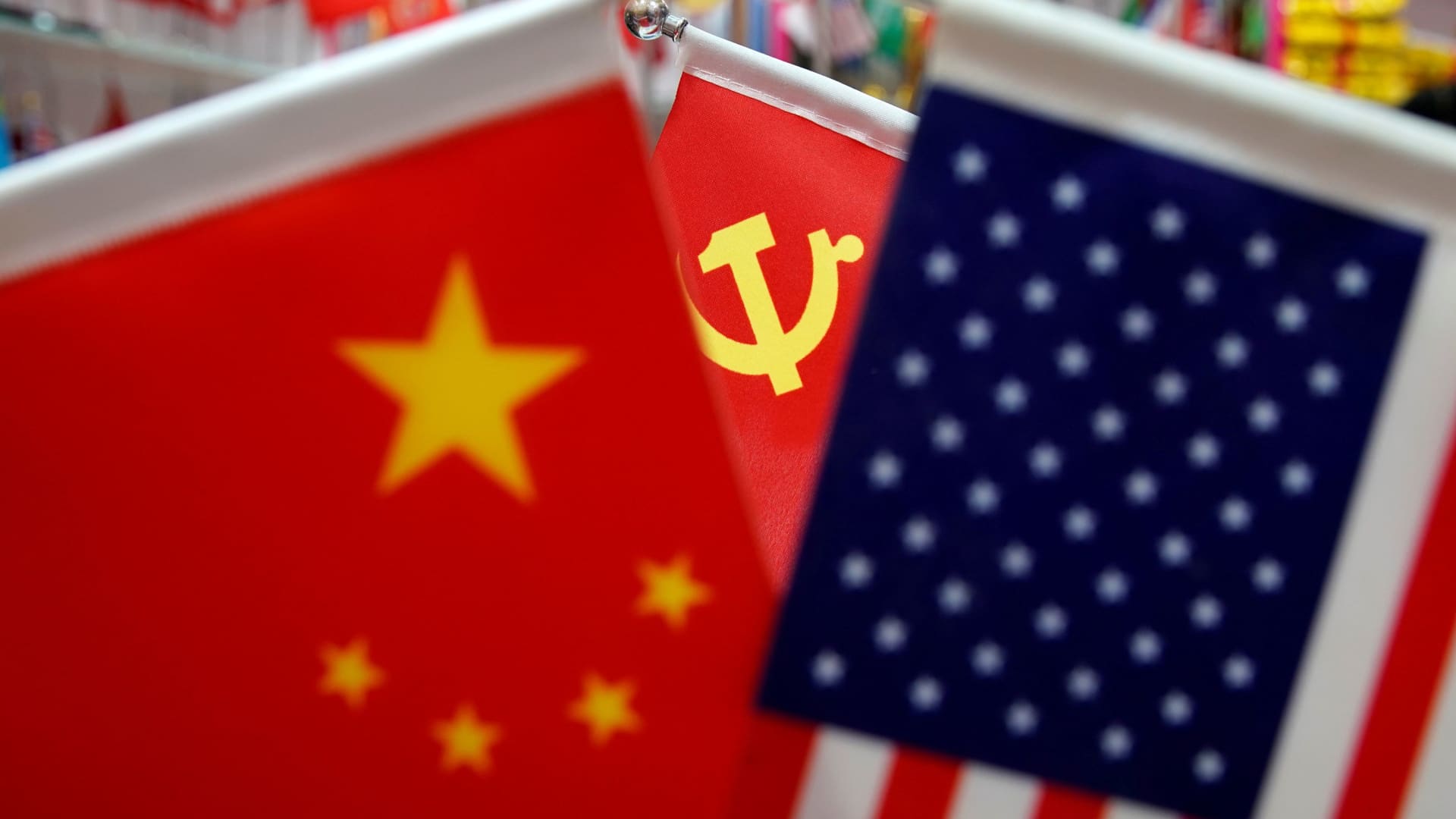

In a significant diplomatic development, the United States and China have agreed to extend their existing trade truce, aimed at maintaining lower tariffs and facilitating the essential flow of rare earth materials. This announcement was made by U.S. Treasury Secretary Scott Bessent during a press briefing just as Chinese President Xi Jinping arrived in Washington, D.C. for a state visit. The extension of this truce was unexpected by many analysts, who anticipated a more prolonged agreement, highlighting ongoing complexities in U.S.-China trade relations.
| Article Subheadings |
|---|
| 1) Overview of the Trade Truce Extension |
| 2) Implications for U.S.-China Relations |
| 3) Perspectives from Economic Analysts |
| 4) Key Meetings and Diplomatic Efforts |
| 5) Future Expectations and Strategic Outlook |
Overview of the Trade Truce Extension
The truce extension, which was initially a one-year agreement reached during a meeting in South Korea last October, is now set to last until January 10. Treasury Secretary Scott Bessent revealed the extension in an interview, indicating that it is crucial for both nations to pursue mutual benefits through open dialogue instead of imposing restrictive measures. President Xi Jinping‘s state visit marks a critical moment to reassess the ongoing trade dynamic, with the previous agreement originally scheduled to expire in November.
While there was general anticipation that the truce might be extended for a minimum of six months, the decision to grant only two additional months raises questions on the level of satisfaction the U.S. has regarding China’s compliance with promises made in the initial agreement. As tariffs and trade barriers have been significant points of contention between the two countries, this move indicates a continued effort to address some of these challenges without escalating tensions further.
Implications for U.S.-China Relations
The extension of the trade truce underscores the importance both nations place on economic collaboration despite their often contentious political and diplomatic relationship. Analysts suggest that keeping tariffs low is essential, particularly for industries reliant on rare earth materials, which are critical for technology production. The fact that this agreement was struck amidst heightened diplomatic activity demonstrates the nuanced balance both countries are trying to achieve.
This latest development comes at a time when tensions in various areas, including technology, military presence in Asia, and geo-political maneuvering have been rising. Keeping lines of communication open, as highlighted by officials, may help prevent misunderstandings or miscalculations that could lead to economic retaliations or a further strain on relationships. After all, China and the U.S. share significant economic interdependencies that neither side can afford to overlook.
Perspectives from Economic Analysts
Experts and economic analysts have mixed opinions regarding the implications of the recent trade truce extension. Dong Shaopeng, a senior researcher at Renmin University, expressed optimism for improved dialogue moving forward, emphasizing that both sides should focus on mutual benefits rather than restrictions. He considers that the extension provides breathing room for negotiations to evolve positively.
Conversely, other analysts raised concerns that this brief extension may reflect a lack of essential progress from the Chinese side regarding compliance and reform. Scott Kennedy from the Center for Strategic and International Studies noted that the short extension could signal discontent within the U.S. government concerning China’s concessions. The overall sentiment among analysts suggests that while the truce provides temporary relief, systemic issues remain unresolved.
Key Meetings and Diplomatic Efforts
As President Xi Jinping embarks on his official visit marked by high-level meetings, strategic diplomatic efforts are underway to facilitate dialogue and reinforce partnership. Both President Donald Trump and Vice Premier He Lifeng are engaged in discussions about trade, technology, and security matters relevant to both countries. The pre-summit activities include a meeting where Bessent discussed the potential need for AI incident alert systems, showcasing the evolving nature of U.S.-China relations.
Moreover, future engagements between leaders are anticipated around significant international events such as the APEC meeting in Shenzhen and the G20 summit in Miami. These forums are expected to provide further opportunities for dialogue and could play a pivotal role in shaping long-term strategies on trade, technology, and global partnership initiatives.
Future Expectations and Strategic Outlook
Looking ahead, the short-term extension of the trade truce sets a significant precedent for future negotiations. Many leaders and analysts alike maintain hope that this limited agreement can serve as a stepping stone toward a larger, more comprehensive treaty that addresses trade imbalances and stimulates fair competition. As companies from both nations navigate these complex waters, it is essential they prepare for the potential re-evaluation of tariffs and trade regulations.
Jens Eskelund, president of the European Chamber of Commerce in China, cautioned that merely extending the truce does not resolve persistent challenges, particularly regarding standardizing export licensing for rare earth materials. He asserts that without concrete actions, both sides risk falling back into a cycle of negotiation delays and dissatisfaction. The overall outlook suggests that constructive engagement, rather than fragmentation, will be vital for both countries in the coming months.
| No. | Key Points |
|---|---|
| 1 | The U.S. and China have extended their trade truce until January 10. |
| 2 | Expectations were for a longer extension than the granted two months. |
| 3 | Chinese President Xi Jinping is visiting Washington, D.C. for high-level talks. |
| 4 | Economic analysts provide mixed perspectives on the extension’s implications. |
| 5 | Future engagements between leaders at international summits are being considered. |
Summary
The recent announcement to extend the U.S.-China trade truce reflects ongoing efforts to manage one of the world’s most consequential economic relationships. While acknowledging varied opinions among analysts regarding effectiveness, there is a consensus that further dialogue is essential for addressing key issues. Moving forward, the strategic interactions of both leaders at upcoming global forums will likely shape the landscape of international trade relations, emphasizing collaboration over conflict.
Frequently Asked Questions
Question: What is the significance of the trade truce extension between the U.S. and China?
The trade truce extension is crucial as it seeks to maintain lower tariffs and ensure the smooth flow of essential materials, thereby preventing economic tensions from escalating further.
Question: Why do analysts express mixed opinions about the extension?
Analysts have differing views because some perceive the extension as a positive step towards improved relations, while others feel it highlights continued dissatisfaction with China’s compliance on promised reforms.
Question: What major international events are forthcoming for U.S.-China relations?
Key upcoming events include the APEC meeting in Shenzhen and the G20 summit in Miami, both of which present opportunities for further dialogue and negotiation between the two nations.
