

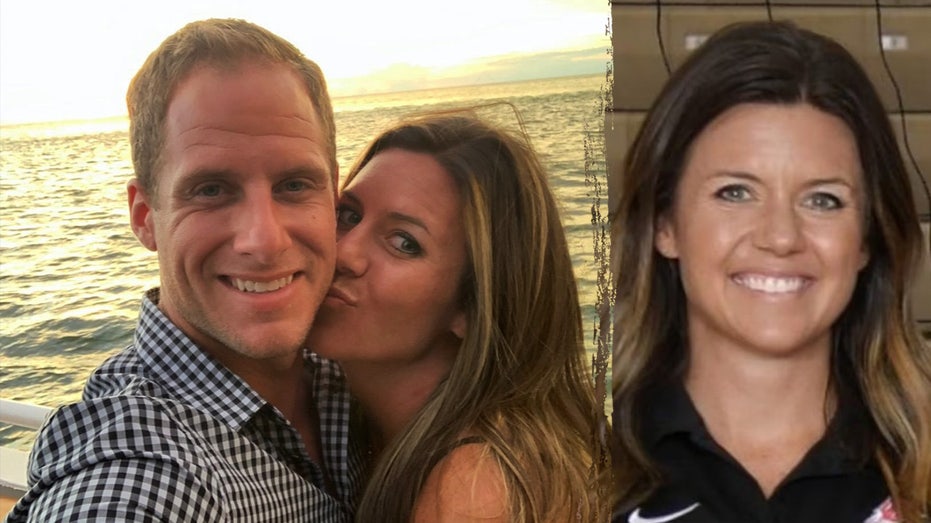

Caleb Flynn, a former American Idol contestant, is scheduled to be sentenced Monday after an Ohio jury convicted him on all nine charges in the killing of his wife, Ashley Flynn. Prosecutors are asking for life in prison without the possibility of parole for aggravated murder. Flynn’s attorneys are seeking a sentence that would allow him to become eligible for parole, while Flynn continues to maintain his innocence and plans to appeal.
The sentencing is set for 3 p.m. in Miami County before Judge Jeannine N. Pratt, less than a week after the verdicts were returned. The case centered on allegations that Flynn planned the shooting, concealed evidence and attempted to make the death appear to have resulted from an intruder.
| 1) | Sentencing follows nine guilty verdicts |
| 2) | Prosecutors seek life without parole |
| 3) | Defense argues for the possibility of rehabilitation |
| 4) | Affair and messages featured at trial |
| 5) | Unresolved evidence and planned appeal |
Sentencing follows nine guilty verdicts
The sentencing hearing is scheduled for Monday afternoon in a Miami County courtroom in Ohio. A jury convicted Caleb Flynn on nine charges after about two and a half hours of deliberation. The verdicts included aggravated murder, three counts of murder, two counts of felonious assault and three counts of tampering with evidence.
The charges arose from the death of Ashley Flynn, who was found inside the couple’s Tipp City home on Feb. 16. She worked as a substitute teacher and volleyball coach. Flynn visibly broke down as the verdicts were read on Sept. 29, shaking and wiping tears from his face as the jury announced each finding.
Prosecutors seek life without parole
Prosecutors filed a sentencing memorandum asking Judge Jeannine N. Pratt to impose life without the possibility of parole for aggravated murder, along with the maximum sentences allowed for additional charges that do not merge. They argued that the circumstances warranted the harshest available punishment.
The prosecution alleged that Flynn planned his wife’s killing for months and showed no genuine remorse afterward. Prosecutors also argued that he staged the home to suggest an intruder had entered, presenting the alleged concealment as an important part of the case against him.
Defense argues for the possibility of rehabilitation
Flynn’s attorneys asked the court to impose a sentence that would eventually make him eligible for parole. They cited his lack of a prior criminal record, his years working in ministry and letters of support from relatives as reasons to allow for the possibility of rehabilitation.
Flynn’s parents, Mike Flynn and Kim Flynn, were among the relatives who asked the judge for mercy. His father described his son’s “brokenness, shame, and remorse” as genuine. His mother wrote that Flynn had “repented to his Lord” and regretted his decisions. Prosecutors disputed that account, saying Flynn had not accepted responsibility or demonstrated genuine remorse.
Affair and messages featured at trial
The trial focused heavily on Flynn’s affair with Alleigha Botner. Investigators recovered approximately 107,000 messages between Flynn and Botner, and prosecutors presented exchanges that they said showed Flynn discussing a desire for his wife to die and considering ways to kill her without going to prison.
Botner also testified about messages exchanged around the time of the shooting. In one exchange, Flynn wrote, “It’s happening,” followed by “Tomorrow it all starts.” Botner responded, “You’re about to be free.” The defense argued that the messages were being interpreted out of context and that references to freedom concerned divorce rather than murder.
Unresolved evidence and planned appeal
Investigators never recovered the firearm used in the killing, and Flynn was not tested for gunshot residue. Authorities searched storm drains, culverts, the Flynn home and other locations while attempting to locate the weapon, but those efforts did not produce it.
Flynn pleaded not guilty, continues to assert that he is innocent and intends to appeal the conviction, according to his attorneys. The sentencing hearing will determine the immediate prison term and whether he can ever seek release on parole.
| Number | Key Point |
|---|---|
| 1 | Flynn was convicted on all nine charges connected to Ashley Flynn’s death. |
| 2 | Prosecutors are seeking life without parole for aggravated murder. |
| 3 | The defense cited Flynn’s clean record and rehabilitation prospects. |
| 4 | Messages involving an alleged affair were central to the prosecution’s case. |
| 5 | The murder weapon was not recovered, and Flynn plans to appeal. |
Summary
The conviction places Caleb Flynn before the court for sentencing in the death of his wife, Ashley Flynn. The judge will weigh competing requests for the maximum punishment and a sentence allowing future parole consideration. Although prosecutors presented extensive message evidence and alleged a staged crime scene, the defense emphasized Flynn’s lack of a prior record and maintained that he did not receive a fair interpretation of the evidence. Flynn’s planned appeal will continue after sentencing.
Frequently Asked Questions
When is Caleb Flynn scheduled to be sentenced?
Flynn is scheduled to appear at 3 p.m. Monday before Judge Jeannine N. Pratt in Miami County, Ohio.
What charges led to Flynn’s conviction?
The jury convicted him on nine charges, including aggravated murder, three counts of murder, two counts of felonious assault and three counts of tampering with evidence.
What sentence are prosecutors seeking?
Prosecutors are asking for life without the possibility of parole for aggravated murder, plus maximum sentences on additional charges that do not merge.
Does Flynn plan to appeal?
Yes. Flynn continues to maintain his innocence, and his attorneys have said he intends to appeal the conviction.
