

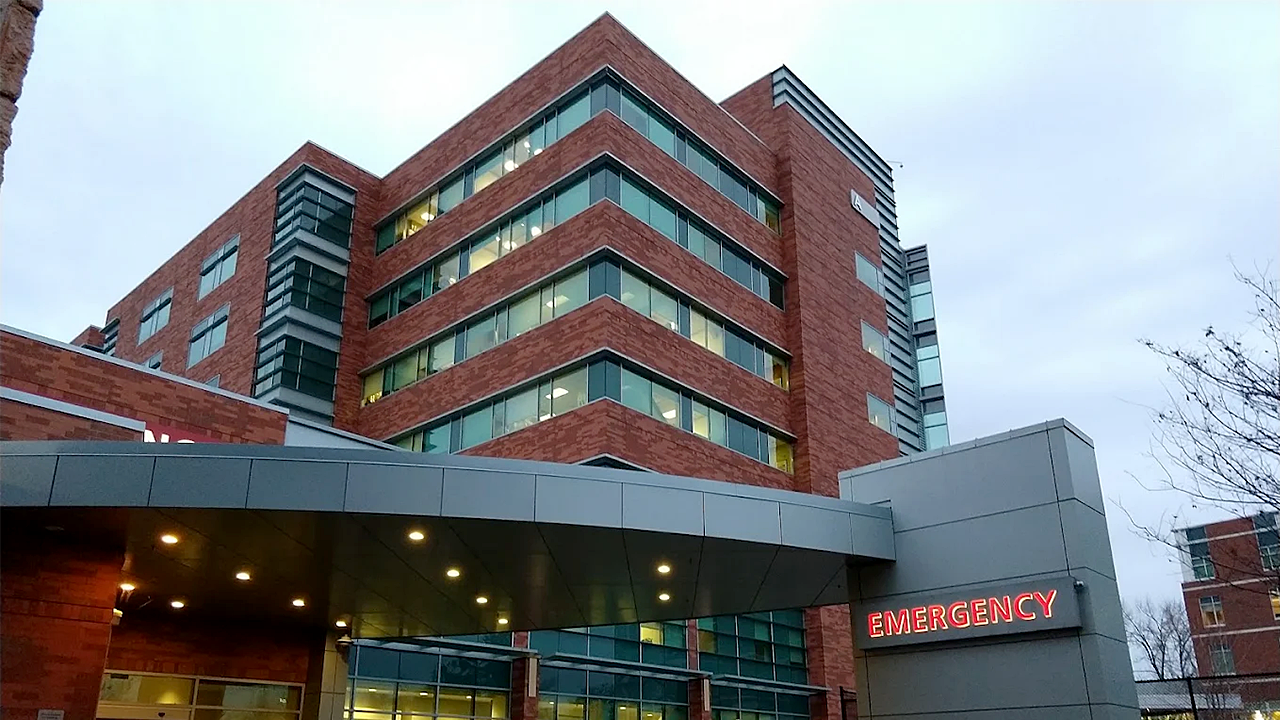

In a shocking and deeply unsettling case, a couple from Seattle has filed a $10 million lawsuit against Salem Health in Oregon after the hospital allegedly instructed them to transport the body of their nearly nine-month-old son back home in their private vehicle following his unexpected death. The parents, Aleksandr and Nataliya Yeremeyev, claim they were not only denied proper assistance during this traumatic time but also coerced into making a decision that left them feeling distressed and disrespected. Their experience raises serious questions about the protocols in place for handling the deceased in emergency medical situations.
| Article Subheadings |
|---|
| 1) Overview of the Incident and Legal Action |
| 2) Background of the Family and Their Child’s Condition |
| 3) Details of the Hospital Encounter |
| 4) Legal Claims and Allegations Against the Hospital |
| 5) Responses from the Hospital and Future Implications |
Overview of the Incident and Legal Action
The lawsuit brought by Aleksandr and Nataliya Yeremeyev stems from a heartbreaking incident that occurred during their visit to Salem, Oregon. On September 22, 2024, while attending a religious retreat, the couple’s son, Michael, who was born with Down syndrome, suddenly fell ill and was rushed to the emergency room at Salem Health Hospital. Tragically, after arriving at the hospital, their son passed away, resulting in the parents facing one of the most traumatic experiences of their lives.
According to the complaint, when the Yeremeyevs inquired about arranging a respectful transport for their son’s body back to Seattle, they were met with resistance from hospital staff. The parents claim they were told that contacting a local funeral home would be “too expensive,” and instead, they were pressured into bringing their child’s remains back home with them in their own vehicle. This led to allegations of negligence and emotional distress, culminating in a significant legal action against the hospital and its staff, including Dr. Stefani Sorensen.
Background of the Family and Their Child’s Condition
The Yeremeyevs, who have been openly dedicated to ensuring high-quality care for their son, spent the early part of Michael’s life at Seattle Children’s Hospital due to his special needs. His diagnoses and overall health challenges were met with care and expertise at that facility. However, the sudden deterioration of his condition during the family trip left them unprepared for the outcome they faced at Salem Health.
Michael had spent approximately six months receiving treatment and support for his medical condition, and the couple had invested significant emotional and financial resources into his care. His parents were devout in their efforts to secure the best possible medical attention for him, highlighting their commitment to his well-being. Consequently, the sudden loss during a family outing turned into an overwhelmingly distressing experience that no parent should have to endure.
Details of the Hospital Encounter
Upon arriving at the hospital, Michael exhibited signs of rapid and shallow breathing, prompting immediate action from the family. Unfortunately, despite their urgent attempts to secure medical assistance, the infant died in the emergency room. The incident has raised many questions regarding the care protocols in hospitals, particularly concerning the treatment of bereaved families.
According to Anna Bruckenhoefer, the family’s attorney, the Yeremeyevs were not only seeking adequate support in the immediate aftermath of their son’s death but were also met with procedures that forced them into making a decision that compounded their grief. As the situation unfolded overnight, the couple felt rushed and pressured to act quickly. In their moment of vulnerability, when they sought guidance on how to proceed with funeral arrangements, they were reportedly given options that only deepened their despair.
Ultimately, they were left with no reasonable alternative but to transport their deceased child across state lines in their private car, which constituted a four-hour journey back to Seattle—a harrowing ordeal that would leave any parent traumatized.
Legal Claims and Allegations Against the Hospital
The Yeremeyev family is seeking $10 million in non-economic damages, citing severe emotional distress and psychological trauma. The suit names multiple defendants, including Salem Health Hospitals & Clinics, Salem Health, Salem Emergency Physicians Service, and Dr. Stefani Sorensen. The allegations include direct negligence and vicarious liability, which assert that the hospital failed in its duty to provide the emotional and physical care expected of a healthcare institution during such dire circumstances.
According to Bruckenhoefer, the hospital’s failure to provide guidance during a moment of profound grief represents a significant breach of duty. She emphasized that hospitals, accustomed to dealing with illness and death, should have systems in place to assist families as they navigate one of their life’s most challenging moments. Instead, the Yeremeyevs felt isolated and unsupported during this harrowing experience, forcing them to deal with their loss in a manner they never anticipated.
The lawsuit aims to not only seek compensation for the family’s suffering but also to advocate for procedural changes to ensure that no other family endures a similar experience when facing loss.
Responses from the Hospital and Future Implications
The response from Salem Health has been cautious, as the matter is currently in litigation. In a statement, the hospital reiterated its commitment to patient care, stating, “Care with respect is a guiding principle of clinical practice at Salem Hospital and remains central to how we support patients and families during some of life’s most difficult moments.” They acknowledged the grief that families experience after losing a loved one, asserting that protocols follow Oregon state law and hospital policy. However, the surrounding claims present a complex picture of how bereavement care is administered.
As this case unfolds, it raises vital questions about hospital protocols across the country. With increasing scrutiny on healthcare practices regarding the treatment of deceased individuals and their families, many may push for more support systems within hospital policies. This case could serve as a catalyst for improving bereavement care standards, influencing how hospitals address the sensitive matter of losing a patient, particularly children.
| No. | Key Points |
|---|---|
| 1 | The Yeremeyevs are suing Salem Health for $10 million following their baby’s death and subsequent treatment. |
| 2 | Michael, the couple’s son, died suddenly at Salem Health Hospital after being taken for emergency treatment. |
| 3 | Hospital staff pressured the parents to transport their son’s body back home in their own car, causing significant distress. |
| 4 | The lawsuit claims negligence, vicarious liability, and a failure to provide adequate support to bereaved parents. |
| 5 | Responses from the hospital indicate adherence to policies, but the family’s experience highlights potential gaps in bereavement care practices. |
Summary
The tragic case of the Yeremeyev family underscores significant issues surrounding bereavement care in hospitals. The emotional turmoil resulting from their experience following the loss of their child highlights the need for clearer protocols and compassionate care in such dire circumstances. As the legal proceedings develop, this case has the potential to not only seek justice for the Yeremeyev family but also prompt important discussions and changes regarding how health systems address the sensitive matter of handling the deceased and their families.
Frequently Asked Questions
Question: What legal action did the Yeremeyev family take?
The Yeremeyev family filed a lawsuit against Salem Health seeking $10 million for emotional distress and negligence regarding the treatment of their deceased child.
Question: What was the hospital’s response to the lawsuit?
Salem Health stated they must adhere to privacy protocols due to the litigation but emphasized that they follow hospital policy and Oregon state law in handling such situations.
Question: What implications does this case have for hospital protocols?
The case may prompt hospitals to reconsider their procedures related to bereavement care, potentially leading to improved support systems for families dealing with loss.
