

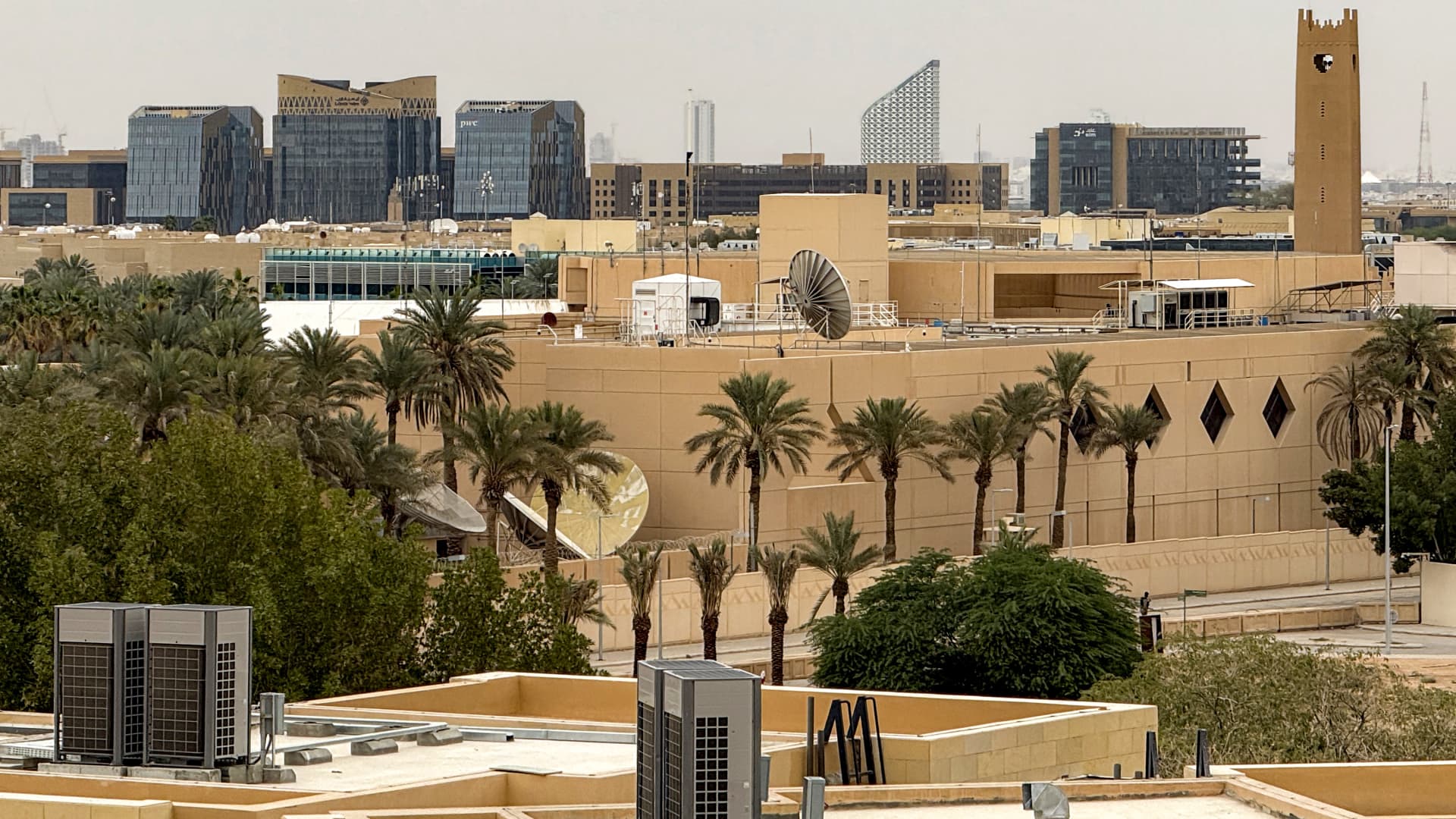

Tensions in the Middle East have escalated dramatically, prompting U.S. embassy officials in Riyadh to heighten security alerts as intelligence reports indicate that Iran is in the advanced stages of planning attacks against American personnel in the region. According to a recent memo from the Director of National Intelligence, there has been a significant uptick in Tehran’s efforts to target U.S. citizens, provoking a series of responses from the U.S. government, including the evacuation of non-emergency personnel from Saudi Arabia. This heightened alert follows a backdrop of ongoing conflict involving Iranian-backed groups and broader geopolitical repercussions that have impacted oil prices and the U.S. economy.
| Article Subheadings |
|---|
| 1) Heightened Security Measures in the Region |
| 2) U.S. Military Response and Evacuation Efforts |
| 3) Iran’s Stance on Diplomacy |
| 4) Impact on Oil Prices and the Economy |
| 5) Ongoing International Concerns |
Heightened Security Measures in the Region
As the tension within the Middle East escalates, U.S. embassy officials in Riyadh have activated heightened security protocols. The decision followed a memo circulated by Director of National Intelligence, Jay Clayton, which revealed intelligence findings that Iran is intensifying efforts to target U.S. personnel in various countries across the region. This alarming update signifies a strategic shift in Iran’s posturing, not just towards the U.S., but also hints at broader implications affecting American allies across the Middle East. Iranian officials reportedly view these maneuvers as necessary deterrents, reflecting their desire to leverage regional power dynamics amid international scrutiny.
U.S. Military Response and Evacuation Efforts
In view of these escalating threats, the U.S. government has initiated the voluntary evacuation of non-emergency personnel from its embassy in Saudi Arabia. Such a proactive measure highlights the seriousness with which U.S. officials take Iran’s perceived aggression. Just prior to this decision, conflicts in Yemen, particularly those involving Iran-backed Houthi rebels, had seen an uptick, leading to a series of attacks against Saudi infrastructure. Recent reports from the Saudi-led coalition stated that they intercepted and destroyed two ballistic missiles fired by the Houthis that were aimed towards key cities, demonstrating the broader ramifications of Iran’s influence in regional conflicts.
Iran’s Stance on Diplomacy
Despite the reported hostilities, an Iranian official expressed a readiness to continue diplomatic talks with the U.S., hinting at a willingness to reengage in negotiations rooted in an agreement brokered by Pakistan earlier in June. Reza Amiri Moghadam, Iran’s ambassador to Islamabad, articulated that Iran would reconsider its position on reopening the strategically vital Strait of Hormuz, contingent upon an easing of the naval blockade imposed by the Trump administration. However, this overture was met with skepticism, as it was later disputed by Iranian state media, which denied the ambassador’s statements.
Impact on Oil Prices and the Economy
As geopolitical tensions rise, the global oil market is feeling the impact. In the wake of these developments, benchmark Brent crude oil prices surged past $116 per barrel, marking a six-month high, while U.S. West Texas Intermediate prices settled over $103 a barrel after a significant 3.8% increase. Experts indicate that such spikes in oil prices not only reflect immediate regional conflicts but also carry the potential for broader economic ramifications, affecting fuel costs and economic stability in the U.S. and potentially influencing voter sentiment as midterm elections loom. Rising inflation driven by these disruptions is at the forefront of American economic concerns.
Ongoing International Concerns
The current situation underscores the heightened state of global vigilance regarding Iran’s military aspirations, as well as the ongoing tensions between it and various nations. As the conflict between the U.S. and Iranian-backed forces stretches into the eighth month, the potential for broader escalation remains a pressing concern for international leaders. The interplay of military action, diplomatic negotiations, and economic fallout highlights the complexities of the U.S.-Iran relationship and the ripple effects it creates in global geopolitics.
| No. | Key Points |
|---|---|
| 1 | Heightened alerts have been issued by U.S. embassy officials in the Middle East due to increased threats from Iran. |
| 2 | Non-emergency personnel from the U.S. embassy in Saudi Arabia are being evacuated amidst worsening regional conditions. |
| 3 | Iran maintains a willingness to engage in diplomatic discussions, despite the rising hostilities. |
| 4 | Recent tensions have pushed oil prices to a six-month high, raising concerns over future economic implications. |
| 5 | Continued conflict in the region poses a risk of broader military escalation involving multiple nations. |
Summary
In summary, the current geopolitical climate in the Middle East is marked by increased tensions stemming from Iranian threats against U.S. personnel. The U.S. government’s response, including the evacuation of staff and military readiness, underscores the seriousness of the situation. As economic repercussions unfold, particularly in oil markets, the implications of these conflicts reverberate beyond the immediate region, impacting global economies and upcoming political contests.
Frequently Asked Questions
Question: What triggered the heightened security measures at the U.S. embassy in Riyadh?
Heightened security measures stem from intelligence reports indicating that Iran is in advanced stages of planning attacks against U.S. personnel, prompting urgent responses from embassy officials.
Question: What does the U.S. military’s response look like regarding the current tensions?
The U.S. has ordered non-emergency staff to evacuate from Saudi Arabia and remains prepared for military action if necessary, while closely monitoring developments in the region.
Question: How are the rising tensions affecting oil prices?
Rising geopolitical tensions have caused benchmark oil prices to spike, with Brent crude reaching a six-month high, which may lead to broader economic consequences for both the U.S. and the global market.
