

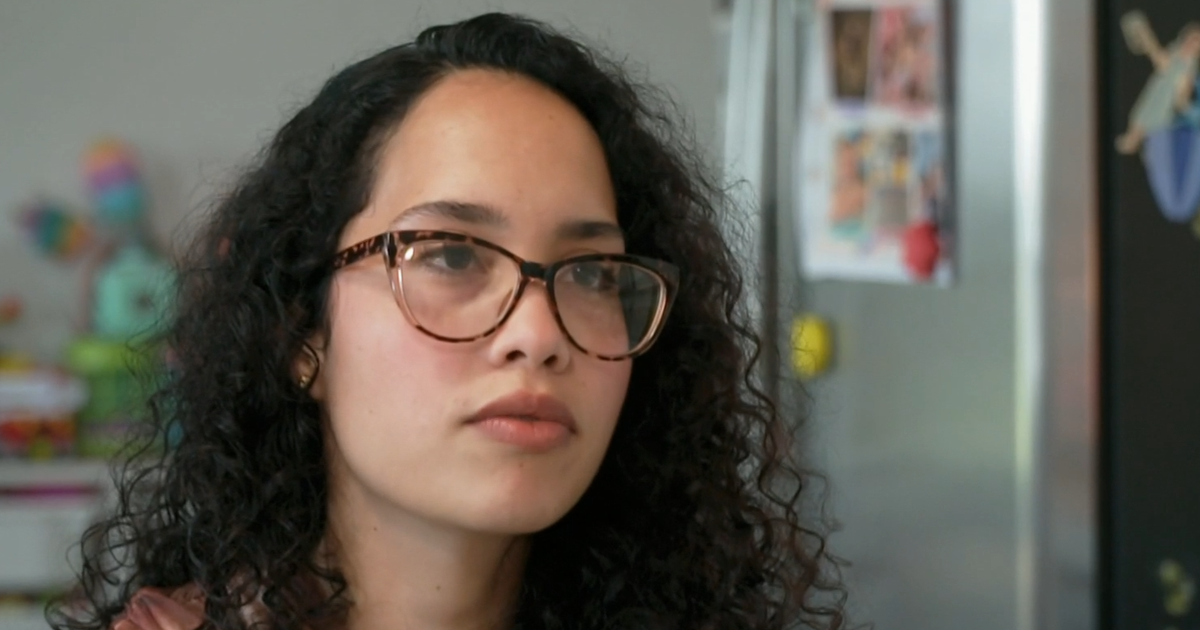

In a significant shift in voting patterns, Latinos turned out in record numbers to support President Trump in the 2024 elections, yet recent polling suggests this demographic may be leaning towards congressional Democrats in the upcoming midterm elections. Florida’s Miami-Dade County, where over 70% of the population identifies as Latino or Hispanic, is a focal point of this transformation. Conversations with local residents like Andrea Ramos reveal deepening dissatisfaction with the Trump administration, particularly regarding immigration policies, causing many to reassess their political allegiances.
| Article Subheadings |
|---|
| 1) The Rise of Latino Votes in Florida |
| 2) Shifts in Political Sentiment |
| 3) The Impact of Immigration Policies |
| 4) Local Business Community Concerns |
| 5) Future Voting Trends and Ramifications |
The Rise of Latino Votes in Florida
In the 2024 presidential election, Latinos made history by voting in unprecedented numbers for President Trump. This voting bloc was crucial in key battleground states, particularly in Florida, where Miami-Dade County stands out as a vibrant representation of the Latino electorate. Within this populous region, over 70% of individuals identify as Latino or Hispanic, predominantly from countries like Venezuela and Cuba. This community’s alignment with Trump in 2024 was driven by various factors, including economic issues and a strong opposition to socialism, particularly shaped by the experiences of Venezuelan immigrants fleeing the former regime of Nicolás Maduro.
However, as the 2024 elections recede into the past, the dynamics of the Latino vote appear to be changing. Current polling indicates a potential shift toward Democratic candidates in the upcoming midterm elections. This change underscores the volatility of voter sentiments among Latino constituents, suggesting that while they have engaged politically, their allegiance may not be firmly established. This could have profound implications for both political parties as they strategize their appeals to this diverse and increasingly influential voting bloc.
Shifts in Political Sentiment
Personal anecdotes from the community reflect a growing dissatisfaction with President Trump’s policies, particularly among those who initially supported him. One such individual is Andrea Ramos, a naturalized U.S. citizen from Venezuela who, just months after expressing admiration for Trump following the arrest of Maduro, now feels “disappointed” and “betrayed.”
Ramos’s disenchantment stems from several factors, notably the Trump administration’s immigration policies, which she views as detrimental to the values of respect and fairness. In a recent CBS News Battleground Tracker poll, 60% of Hispanic likely voters indicated a preference for Democratic candidates, signaling a notable shift from the previous election’s outcomes where more or less equal support was shown for both parties.
Furthermore, the growing concerns regarding economic conditions, coupled with apprehensions about immigration enforcement, suggest that Trump’s strong support among Latino voters may be eroding faster than expected. As the midterm elections approach, candidates from all parties will need to address these shifting sentiments to secure votes in the increasingly competitive landscape of South Florida.
The Impact of Immigration Policies
A significant contributing factor to the changing political landscape among Latino voters is the immigration crackdown implemented by the Trump administration. Many Hispanic individuals report feeling increasingly fearful due to heightened enforcement actions and deportations. For instance, a majority of those surveyed in the aforementioned CBS poll noted that they believed Trump’s administration was deporting more individuals than anticipated. Concerned constituents voiced their worries about safety and respect for immigrant rights, with many indicating that the extent of deportation measures was excessive.
Local residents, like Stephanie Caro, owner of a family coffee shop in Doral, have noted the detrimental effects of these policies on their businesses. Diminished foot traffic and a palpable sense of fear within the community have influenced daily routines and overall trust in local law enforcement. These sentiments reflect a broader apprehension that the policies being implemented have dire consequences for immigrant populations, forcing individuals to reconsider their political alignments in light of recent experiences and policy impacts.
Local Business Community Concerns
The local business community in Miami-Dade, particularly in areas such as Doral, is acutely aware of the socio-political changes affecting their livelihoods. The visible presence of U.S. Immigration and Customs Enforcement (ICE) agents in the streets has not only increased local anxiety but has also resulted in dire consequences for economic activity. Business owners report significant declines in sales and customer visits since the implementation of stricter immigration enforcement.
Caro articulated an urgent concern, stating, “It really impacts the entire community,” emphasizing that the fear can deter people from going out and partaking in their regular activities, including family outings or shopping. Business owners worry that continued enforcement actions may force them to close their doors, which could have long-lasting ramifications for the local economy and community cohesion.
The intersection of local sentiment and national policy creates a complex environment where the traditional voting patterns among Latino communities could drastically shift if these issues remain unaddressed. As business owners and residents voice their frustrations, political candidates are tasked with responding effectively to restore confidence and security within these communities.
Future Voting Trends and Ramifications
As the midterm elections approach, the shifting voting preferences among Latino communities in Florida present both challenges and opportunities for candidates in both major political parties. Local political leaders, such as Doral’s Republican Mayor Christi Fraga, are notable for their reluctance to unequivocally endorse Trump or the Republican agenda. Their hesitation underscores the complexities of the Latino electorate, which is increasingly difficult to navigate amid shifting loyalties.
Polls predict that many Hispanic voters will be leaning toward Democratic candidates, posing a risk for Republicans who have traditionally relied on Latino votes. With statements from community figures urging constituents to “vote your conscience,” the pressure for candidates to engage authentically with voter concerns has intensified. How parties choose to address the pressing issues of immigration reform, economic stability, and community safety will significantly affect voter turnout and preferences in the upcoming elections.
In summary, as Latinos begin to reevaluate their political affiliations in light of disillusionment with the current administration, the ramifications of these shifts will undoubtedly shape political strategies well beyond the immediate election cycle. Candidates and political parties must adapt to these evolving dynamics to connect effectively with a community that holds significant electoral power.
| No. | Key Points |
|---|---|
| 1 | Latinos voted in large numbers for Trump in 2024, but polls show potential shift toward Democrats. |
| 2 | Many Latino voters express disappointment, especially over immigration policies. |
| 3 | Local businesses in Doral report decreased customer traffic due to fear of ICE actions. |
| 4 | Community leaders encourage voters to consider their conscience when voting. |
| 5 | The changing dynamics among Latino voters highlight the evolving political landscape in Florida. |
Summary
The political landscape among Latino voters in Florida is shifting dramatically as many express disillusionment with the Trump administration, particularly over immigration enforcement. As the midterm elections approach, this change in sentiment could have significant implications for both local and national politics. Political leaders and candidates must respond thoughtfully to the concerns of the Latino community, particularly in areas like Miami-Dade County, to secure their positions and adapt to the evolving demographics and political affiliations within this influential voter bloc.
Frequently Asked Questions
Question: What are the current voting trends among Latino voters in Florida?
Recent polling indicates that many Latino voters who previously supported President Trump are now leaning towards Democratic candidates, marking a significant shift in political sentiment.
Question: How has the immigration crackdown affected local communities?
The Trump administration’s immigration policies have created a heightened atmosphere of fear within Latino communities. This has led to decreased foot traffic in local businesses and altered daily routines for residents.
Question: What role do local leaders play in influencing voter sentiment?
Local leaders, such as mayors and community figures, are pivotal in shaping voter sentiment by either voicing support or criticism of policies, thereby affecting how constituents view their political options.
