

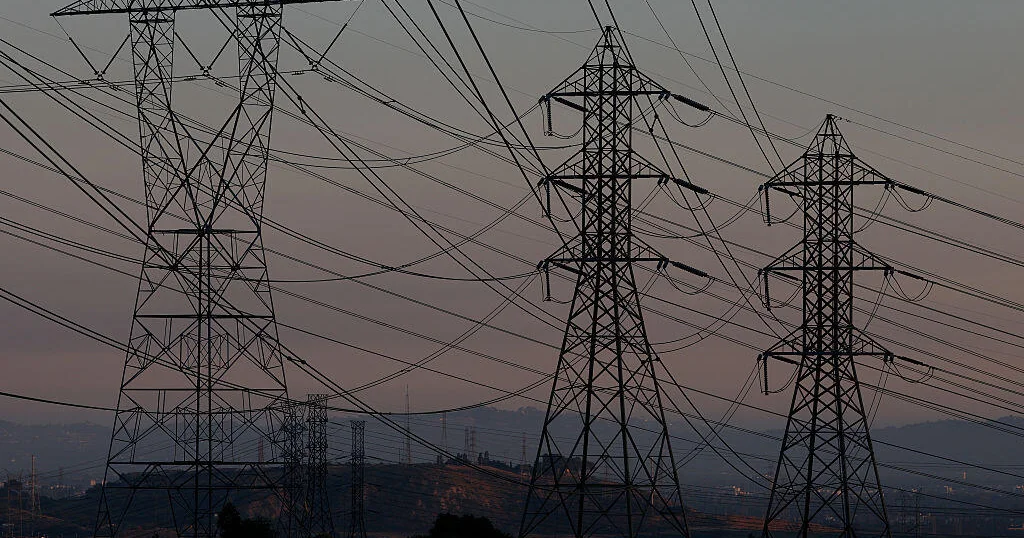

In a significant move aimed at curbing the escalating costs associated with data centers, the U.S. House of Representatives passed the Ratepayer Protection Act with overwhelming support. The bipartisan legislation, which garnered a 417 to 3 vote, is poised to address the economic pressures on American families resulting from the rapid expansion of data centers used for artificial intelligence (AI) operations. The focus now shifts to the Senate as lawmakers attempt to alleviate the burden on consumers following rising energy costs linked to the tech industry’s demands.
| Article Subheadings |
|---|
| 1) Overview of the Ratepayer Protection Act |
| 2) Implications of the Legislation |
| 3) Responses from Key Political Figures |
| 4) Industry Reactions and Future Considerations |
| 5) The Broader Impact of AI on Energy Consumption |
Overview of the Ratepayer Protection Act
The Ratepayer Protection Act, recently passed by the House of Representatives, is a legislative effort to prevent the costs of expanding energy infrastructure for data centers from being transferred to consumers. Introduced by Rep. Gabe Evans from Colorado, the bill reflects a growing concern about the influence of the tech industry on energy prices, particularly as AI technologies become more prevalent. This legislation emerged amid rising energy prices that stakeholders attribute in part to the increasing electricity usage associated with the expansion of data centers.
The legislation aims to compel tech companies themselves to bear the expenses related to the new energy facilities required to support data centers. By establishing standards for large-load customers, like data centers, the bill encourages utility agencies to ensure these enterprises are responsible for the costs of electricity generation incurred by their operations. As such, it targets sustainability and affordability, particularly relevant as lawmakers gear up for the 2026 election cycle, where issues surrounding the rising cost of living are central to many constituents.
Implications of the Legislation
The Ratepayer Protection Act could have far-reaching implications for both the tech industry and consumers. By mandating that large-scale data centers fund their energy needs, the legislation seeks to mitigate the financial impact on households. This could potentially stabilize energy costs, which are projected to increase with the expected rise in energy consumption from burgeoning data centers. As the International Energy Agency estimates, electricity demand from these centers could more than double by 2030, sparking concerns about the stability of the U.S. power grid.
Moreover, by targeting growth in the tech sector while ensuring that consumers are not left to bear the costs, the legislation attempts to strike a balance. It addresses public concerns regarding energy equity, especially given the scrutiny regarding the rapid expansion of data centers and their environmental implications. The bill acts as a precedent for future regulatory measures tailored to manage the growing energy demands of technology companies, illustrating a shift towards greater accountability in the energy landscape.
Responses from Key Political Figures
Leaders from both parties expressed their views on the Ratepayer Protection Act, reflecting the bipartisan support that characterized its passage. House Speaker Mike Johnson remarked that it was essential for AI companies to foster trust within the communities that host their infrastructure, emphasizing that ordinary Americans should not have to shoulder these costs. In his statement, he articulated,
“The Ratepayer Protection Act guarantees hardworking American families won’t foot the bill for the buildout of AI infrastructure — or see their energy costs rise to pay for it.”
On the other hand, opposition figures such as House Minority Leader Hakeem Jeffries acknowledged the bill’s progress but argued that further action is imperative. Jeffries described the legislation as a step forward but stressed that it “only addresses one small part of the puzzle,” indicating that more robust measures may be necessary to fully resolve the concerns surrounding the AI boom and its broader societal implications.
Additionally, Rep. Brett Guthrie, chairman of the House Energy and Commerce Committee, voiced his support, stating that the bill represents a proactive approach in seeking to lower costs for constituents. He underlined the importance of fostering domestic tech industry growth while contrasting this with the potential risks posed by foreign competition.
Industry Reactions and Future Considerations
The technology sector’s response to the Ratepayer Protection Act has been met with mixed feelings. Some industry leaders support the need for responsible energy consumption and the associated obligations that come with it, viewing it as a call to action for tech companies to invest in their energy solutions. Conversely, there are concerns that imposing such legislation could hinder innovation within the sector. Industry advocates emphasize that regulatory burdens may stifle growth and investment in new technologies that could provide solutions to the energy crisis.
Beyond the legislation itself, discussions surrounding energy needs will likely continue to evolve as AI technologies progress. The partnership between tech companies and utility providers could prove crucial in developing sustainable energy solutions. Companies might be pushed to explore renewable energy options, invest in energy-efficient technologies, or participate in schemes that promote sustainable community energy usage. The ongoing dialogue on energy consumption reform indicates a broader shift towards integrating energy policy with technological advancements.
The Broader Impact of AI on Energy Consumption
The burgeoning AI industry is poised to influence not just the technology sector but the energy landscape as a whole. As electricity demand from data centers is expected to grow, there is rising apprehension regarding the implications for power generation and consumption patterns across the country. With estimates projecting data centers might account for over 10% of U.S. power demand by 2030, there is an urgent need for the industry, regulators, and policymakers to collaborate effectively.
In addition to addressing economic concerns, there is an environmental dimension to the discussion. The energy consumption associated with AI and data centers raises questions about the carbon footprint of such technologies and their long-term sustainability within a changing climate context. Legislators are not only tasked with ensuring the affordability of energy but also with considering its environmental impact and developing frameworks to guide responsible energy use in tech innovations.
| No. | Key Points |
|---|---|
| 1 | The Ratepayer Protection Act passed the House with a 417 to 3 in response to rising energy costs linked to data centers. |
| 2 | The legislation mandates tech companies to be responsible for energy infrastructure costs directly associated with data centers. |
| 3 | Key political figures voiced their support and concerns about the need for further action on the issues surrounding the AI industry. |
| 4 | Industry leaders expressed mixed feelings, balancing the need for responsible energy usage and the potential hindrances to innovation. |
| 5 | The rapid growth of AI and data centers poses significant implications for energy consumption and sustainability nationwide. |
Summary
The passage of the Ratepayer Protection Act symbolizes a growing recognition of the need to balance technological advancement with responsible energy consumption and affordability. It aims to protect American families from rising energy costs while holding large tech companies accountable for their substantial energy demands. As lawmakers prepare for the upcoming legislative battle in the Senate, the impact of this act will shape the discourse surrounding energy policy, AI industries, and consumer protection for years to come.
Frequently Asked Questions
Question: What does the Ratepayer Protection Act aim to achieve?
The Ratepayer Protection Act aims to ensure that tech companies cover the costs associated with the energy infrastructure needed for large-scale data centers, thus preventing these costs from being passed on to consumers.
Question: What was the outcome of the House vote on the legislation?
The Ratepayer Protection Act passed the House with an overwhelming majority of 417 to 3 votes, reflecting bipartisan support for the legislation.
Question: Why is there concern regarding the energy consumption of data centers?
Concerns about energy consumption from data centers are primarily due to projections that suggest their electricity usage could more than double by 2030, potentially impacting the stability of the U.S. power grid and driving up energy costs for consumers.
