

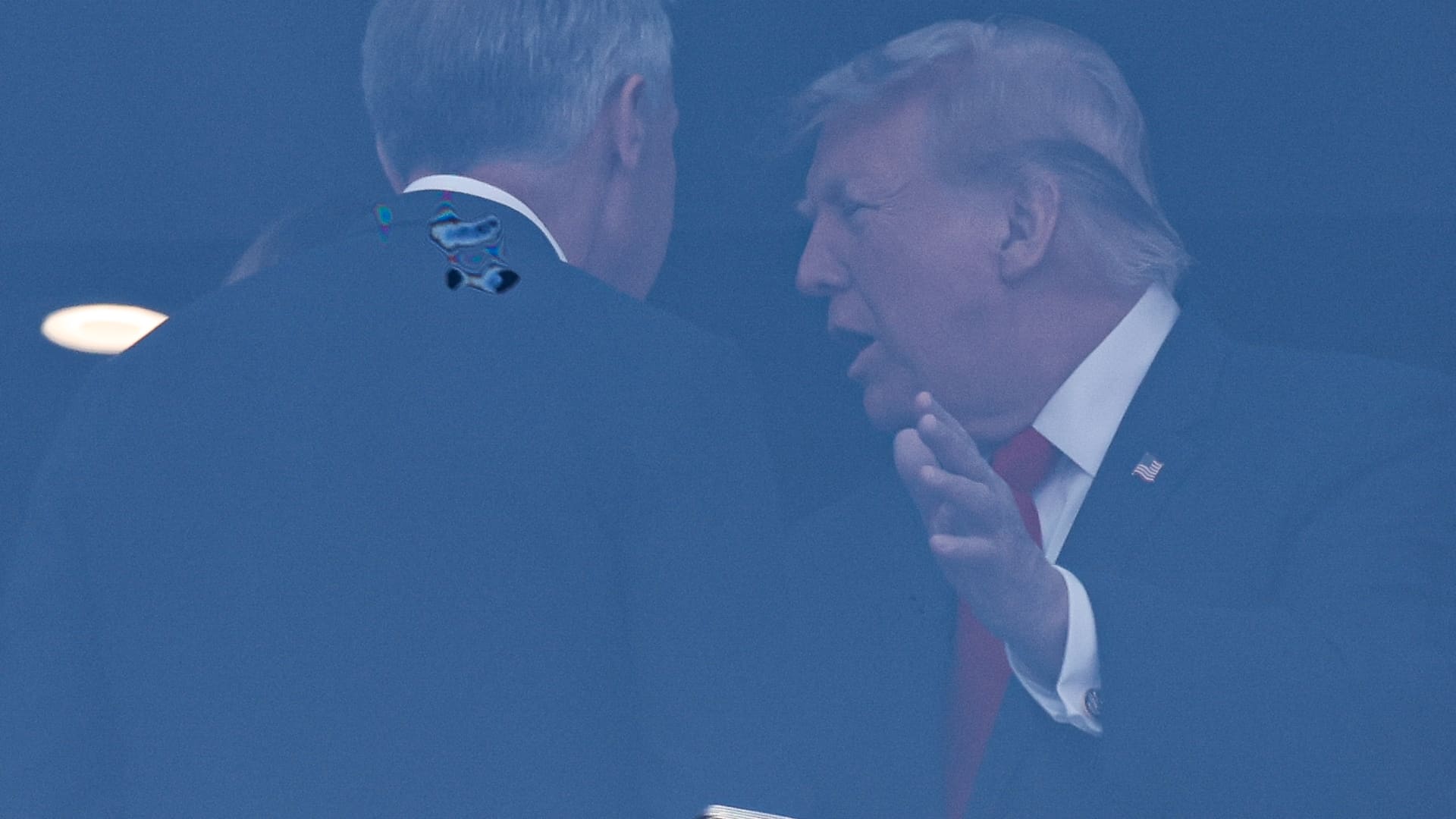

In a striking escalation of trade tensions, President Donald Trump has issued a stark warning to the European Union regarding its potential plans to grant Canada the status of an associate member. Trump characterized this initiative by EU leaders as a “hostile act” and threatened to impose significant tariffs or completely halt trade with Europe if the proposal goes through. The announcement marks a critical moment in U.S.-EU relations, particularly as both sides grapple with profound economic implications stemming from ongoing trade disputes and the evolving geopolitical landscape.
| Article Subheadings |
|---|
| 1) Trump’s Reaction to EU’s Proposal |
| 2) The Significance of Associate Membership |
| 3) Canadian Response and Strategic Positioning |
| 4) The Broader Trade Context |
| 5) Future Implications of Trump’s Threat |
Trump’s Reaction to EU’s Proposal
In an event that unfolded on July 19, 2026, shortly after arriving in North Carolina, President Donald Trump showcased his fiery stance against the European Union’s potential move toward granting Canada associate member status. Trump’s comments followed Ursula von der Leyen, the President of the European Commission’s announcement that the EU aimed to elevate its relationship with Canada to new heights. Demonstrating his disapproval, Trump quipped, “I think it’s laughable … Canada has been a terrible trade partner.” He attached a caveat to his threats, declaring that if he perceives the move as “a hostile act,” he will respond with imposing substantial tariffs or halting trade with Europe altogether.
The Significance of Associate Membership
The EU’s proposal to make Canada its first-ever associate member is a significant shift in the bloc’s approach towards international relations, particularly with North American allies. Associate membership, which does not currently exist within EU treaties, requires the collective agreement of all member states. The concept was notably highlighted in a recent address delivered by President von der Leyen in Strasbourg, France, where she expressed intentions to enhance cooperation with Canada. This move appears to signal a more inclusive perspective in exploiting partnerships beyond the immediate boundaries of Europe and could represent a strategic pivot in international trade dynamics.
Canadian Response and Strategic Positioning
Canadian Prime Minister Mark Carney was present during the EU address and echoed the sentiments expressed by von der Leyen regarding a desire to build a unique economic and security alliance with Europe. However, Carney has made clear that Canada is not pursuing full EU membership, a stance that reflects a desire to balance its economic affiliations, especially given the ongoing tensions with the United States. In response to the escalating trade war and punitive tariffs from Washington, Canada has sought to diversify its economic partnerships and minimize reliance on U.S. market dynamics. Carney’s strategy encompasses expanding collaborations in manufacturing, defense technology, and artificial intelligence, aspects that may serve to enrich Canada’s global standing while buffering against fluctuating U.S. trade policies.
The Broader Trade Context
As tensions mount, one must consider the broader context of U.S.-EU relations. Trump’s administration has previously enacted punitive tariffs that impacted various Canadian goods, directing significant retaliatory responses from the Canadian government. In this precarious environment, both the U.S. and Canada are exploring potential pathways to de-escalate the ongoing trade war. According to economic analysts, Canada’s objective to lessen its dependency on the U.S. economy is emerging as a central theme. The proposed associate membership for Canada aligns with the EU’s strategy to engage actively with its partners across the Atlantic, further complicating the dynamics in the already tense relationship between the U.S. and Europe.
Future Implications of Trump’s Threat
Trump’s threat to impose tariffs on the EU if it proceeds with the associate membership proposal could have vast implications for transatlantic trade and global economic stability. Auhtorities on both sides of the Atlantic grapple with how this threat might influence existing agreements, especially those made in the previous year that set tariff ceilings on EU exports to the U.S. Notably, EU member states had only recently heard of this associate membership proposal, and many remain uncertain about how to respond to Trump’s warnings. Meanwhile, further retaliation from both sides could lead to a protracted standoff, impacting countless industries and shaping the economic landscape in the months and years to come.
| No. | Key Points |
|---|---|
| 1 | President Trump issued threats regarding tariffs if the EU grants Canada associate member status. |
| 2 | The concept of associate membership does not yet exist in EU treaties and requires member-state approval. |
| 3 | Canada is pursuing relationships beyond the U.S. to bolster its economy amid trade tensions. |
| 4 | The proposal aligns with the EU’s strategy to strengthen ties with international partners. |
| 5 | Future ramifications of Trump’s threats could influence international trading norms and agreements. |
Summary
The evolving dialogue surrounding Canada’s potential associate membership within the EU underscores the intricate challenges of current international trade relations. President Trump’s stern warnings reveal a heightened concern regarding perceived threats to U.S. economic interests. As both the U.S. and EU navigate this complex landscape, the implications of their decisions will undoubtedly resonate across global markets, shaping policy and economic relations for years to come. The future of U.S.-EU saliva and the possibility of an associate Canada presents opportunities and challenges that require careful consideration by all parties involved.
Frequently Asked Questions
Question: What is the purpose of associate membership in the EU?
Associate membership aims to foster closer ties between non-member countries and the European Union, allowing for enhanced cooperation in various sectors such as trade, security, and technology.
Question: How has President Trump responded to Canada’s trade policies?
President Trump has issued several threats, including imposing tariffs on Canadian goods as a reaction to perceived unfair trade practices, leading to increased tensions between the U.S. and Canada.
Question: What are the potential consequences of Trump’s tariffs on the EU?
Trump’s tariffs could undermine existing trade agreements, affect international relations, and potentially ignite further trade wars, impacting global economic stability.
