

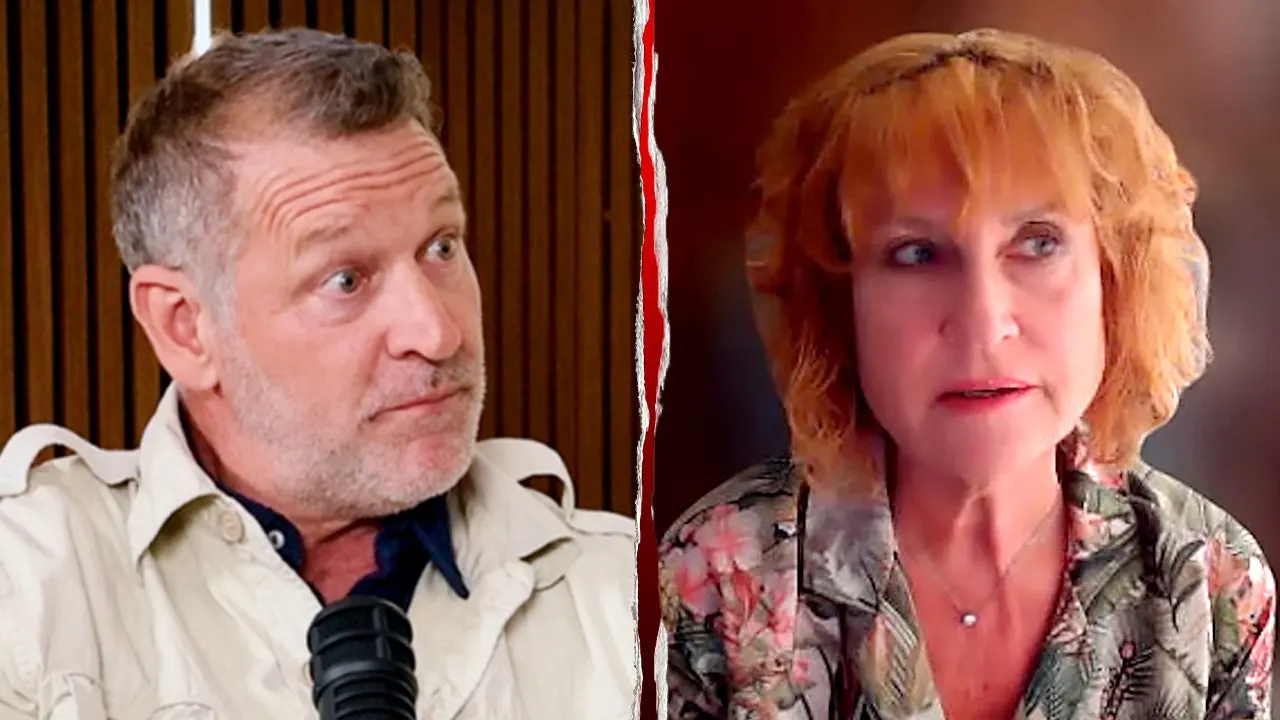

A recent podcast episode revealed an alarming story of online deception that resulted in a woman losing nearly $1 million in a romance scam initiated through LinkedIn. The victim, identified as Gaby, shared her experience on “The CyberGuy Report Podcast” with the podcast host, describing how a false relationship developed over years with someone who used the identity of a man named Brian Haugen. As Gaby detailed the emotionally manipulative tactics employed by her scammer, it became clear that the layers of deception often masked themselves in trust and familiarity.
| Article Subheadings |
|---|
| 1) A LinkedIn message felt safer than a dating app |
| 2) The money requests started small |
| 3) Every attempt to meet came with an excuse |
| 4) Then a medical emergency raised the stakes |
| 5) Tips to protect yourself from a romance scam |
A LinkedIn message felt safer than a dating app
Gaby’s journey began in March 2019 with an innocuous LinkedIn message from a stranger. This communication was deemed safe by Gaby because she primarily used the platform for professional networking and the person was allegedly connected to one of her former colleagues. “So I thought, oh yes, she knows him. Okay. That’s fine. So let’s contact,” Gaby recalled, dismissing any initial skepticism.
This familiarity, albeit superficial, provided a comforting layer of trust that many users fall prey to. As highlighted by officials at the Federal Trade Commission (FTC), scammers often study social media profiles to craft compelling narratives that exploit these connections. The FBI suggests that users become increasingly cautious with what they publicly share, as this information can become arms for scammers targeting them. Gaby’s case emphasizes the importance of conducting independent verification rather than relying solely on social ties observed online.
The money requests started small
Initially, the scammer did not clamor for exorbitant sums. Instead, he engaged Gaby in conversations centered around his fictitious business in the gemstone trade. As their relationship deepened, he mentioned a ‘banking issue’ that necessitated her financial assistance. “I sent about $10,000 at first,” Gaby remembered, inadvertently setting a dangerous precedent.
What effectively constructed the illusion of trust was his act of returning Gaby’s initial payment. This deception tricked her into believing that the scammer was genuine since he kept his promise by refunding money. In psychological terms, such repayments create a false sense of security—leading victims to subsequently enable larger financial requests. “I started to trust him because he sent me back money,” Gaby reflected, not realizing at the time how her emotions were carefully manipulated over the ensuing months.
Thus began the spiral of escalating requests: amounts of $10,000, $20,000, and later, a staggering $200,000 for purported taxes and customs fees that had mysteriously arisen. Each subsequent request was predicated on the evolving story of their relationship, slowly encasing Gaby deeper into the scam.
Every attempt to meet came with an excuse
Eventually, the online relationship faced the inevitable moment where Gaby yearned for a real-life meeting. However, her attempts to schedule a visit to Vietnam were met with roadblocks manufactured by the scammer, who expressed anxiety about his physical appearance and went so far as to suggest it was not the right time for them to meet. This pattern of evasion can often signify a romance scam, with many thieves repeatedly canceling in-person meetings for various phony reasons.
The situation intensified with the global onset of the COVID-19 pandemic, which he emphasized as an obstacle to their plans. The FBI recognizes that a prolonged absence of real-world interaction is a clear warning sign of a potential romance scam. Gaby stated that the scammer always had a plausible excuse, thus solidifying her belief in their relationship.
Then a medical emergency raised the stakes
Just as emotional manipulation began to peak, the scam took a darker turn. The fraudulent individual transitioned from business-related obstacles to a dire health issue, claiming he required urgent surgery—a condition contorted to validate Gaby’s feelings for him. “Suddenly he told me he needs surgery to prove my love. I sent 500,000,” she recounted, showcasing just how seamlessly the emotional facade could form monetary desperation.
At this juncture, Gaby found herself trapped in a web of deception that had been weeks in the making. By drawing on a previously established relationship framework, the scammer could compel her to send substantial amounts of money as an emergency remedy—one highlighted by federal authorities warning consumers never to send money to individuals they’ve only met online or through a phone call.
Tips to protect yourself from a romance scam
Given the disturbing intricacies of Gaby’s experience, precautionary measures must guide those venturing into online relationships:
1) Reduce what scammers can learn about you
Users should audit their social media presence, limiting accessibility to details that may be exploited by scammers. Adjust privacy settings, hide friends lists, and withhold specific routine disclosures that provide insight into one’s daily life.
2) Check the profile before you trust the person
Travelers through the world of online dating must scrutinize profiles more critically. Research creation dates, account activity, and perform reverse image searches to ensure the genuineness of a promising connection.
3) Do not treat a video call as proof of identity
While video calls can serve as an initial trust-building tool, they should not be considered conclusive proof of identity. Scammers can utilize deepfake technologies, and visual interactions must coincide with corroborated background information.
4) Slow the relationship down and bring someone else in
Proceeding cautiously in online courtships is paramount. Rapidly escalating romantic engagements require thorough review and discussion with trusted friends or family before financial decisions are made.
5) Never send or move money for an online love interest
Requests for funds should always raise red flags, signifying the need to halt any financial contributions or actions that may complicate one’s personal financial standing.
6) Protect your identity too
Safeguarding one’s personal information is crucial. Anyone seeking romance online should limit the distribution of sensitive information that could contribute to identity theft.
7) Save the evidence and act quickly
If potential scamming is suspected, preserving all evidence is critical. Relevant communication details can assist authorities in taking corrective action.
8) Watch for a recovery scam afterward
Victims should remain vigilant, as post-scam recovery scammers often target those already victimized, necessitating caution until absolute security is reestablished.
With these protective measures in mind, it becomes evident that scams like Gaby’s often unfold in subtler ways than one might anticipate, making it especially crucial to look for the signs of deceit at every turn.
| No. | Key Points |
|---|---|
| 1 | Online scams evolve slowly, gaining victims’ trust to manipulate them emotionally. |
| 2 | Small financial requests can escalate into massive sums when trust is built over time. |
| 3 | Scammers often use emotional crises as leverage to extract money from victims. |
| 4 | Protective measures such as auditing social media presence help mitigate risks. |
| 5 | Awareness and vigilance are crucial in recognizing and reporting scams. |
Summary
Gaby’s unfortunate experience serves as a sobering reminder of the dangers lurking in online romances. Her story epitomizes how emotional manipulation and deception can ensnare anyone caught in the desire for connection. As awareness surrounding romance scams grows, both individuals and community resources become essential in educating others to spot potential fraud before it escalates into financial ruin. Vigilance and verification stand as the first lines of defense.
Frequently Asked Questions
Question: What is a romance scam?
A romance scam involves a perpetrator establishing a fraudulent emotional relationship with a victim to extract money, often using fake identities and compelling stories.
Question: How can I recognize if someone is trying to scam me online?
Signs of potential scamming include evasive answers about personal background, repeated cancellation of meetings, and sudden requests for money tied to emergencies.
Question: What should I do if I suspect I’m a victim of a scam?
If you believe you are being scammed, preserve all evidence and immediately report it to your local authorities, your bank, and relevant online platforms. Acting quickly is critical to protect your finances.
