

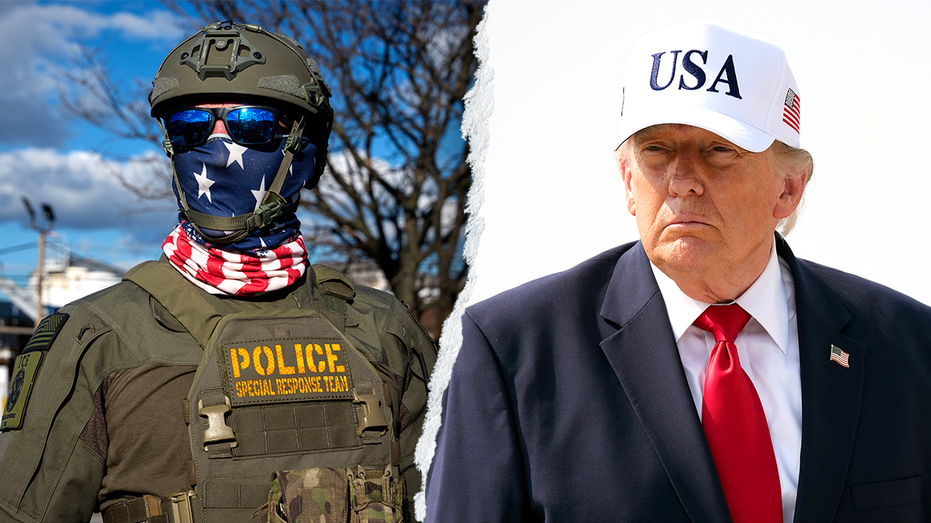

U.S. Immigration and Customs Enforcement made roughly 51,000 immigration arrests in July, setting the highest monthly total in the agency’s history. The figure followed a record-setting June, when ICE reported about 43,000 arrests. Federal sources attributed the surge to new personnel, expanded funding and the end of a Department of Homeland Security shutdown. The figures come as the Trump administration increases immigration enforcement operations nationwide.
| 1) | July sets a historic ICE arrest record |
| 2) | Back-to-back monthly records mark a sharp increase |
| 3) | Staffing and funding support wider enforcement |
| 4) | Federal officials emphasize criminal enforcement |
| 5) | Texas operation highlights the enforcement strategy |
July sets a historic ICE arrest record
ICE made approximately 51,000 immigration arrests across the United States during July 2026, according to multiple federal sources. The agency averaged about 1,645 arrests per day, producing its largest monthly total since its creation. The arrests occurred as the administration pursued a broader immigration enforcement campaign intended to increase removals and target people considered priorities by federal officials.
The July total is significant because it represents the highest single-month arrest figure recorded by ICE. It also reflects activity by personnel working through the agency’s nationwide field structure rather than a single regional operation. Federal sources said the pace was supported by additional officers and resources becoming available during the month.
Back-to-back monthly records mark a sharp increase
The July result came only weeks after ICE reported approximately 43,000 arrests in June. That made June the agency’s previous monthly record and established two consecutive months of unprecedented arrest activity. The sequence indicates that the July total was not an isolated increase but part of a sustained acceleration in enforcement.
Federal sources said ICE arrests had slowed during the weeks and months following unrest in Minneapolis. The agency then returned to a faster operational pace as staffing and funding conditions changed. The available figures describe arrest totals, while the source material does not provide a corresponding monthly number for deportations or removals.
Staffing and funding support wider enforcement
Sources familiar with the federal response attributed the increase to three main developments: the end of the Department of Homeland Security shutdown, thousands of newly hired ICE personnel reaching field assignments and billions of dollars in new funding from two reconciliation bills. Together, those changes gave the agency more capacity to conduct investigations, make arrests and support enforcement operations.
The additional funding is being used to support expanded hiring and nationwide activity, according to the sources. The precise allocation of the money was not detailed in the report, but the sources described the resources as helping replenish ICE’s finances after a period of reduced activity. The staffing increase also allowed more personnel to participate directly in operations outside agency offices.
Federal officials emphasize criminal enforcement
The Department of Homeland Security presented the arrest campaign as a public-safety effort focused on people accused or convicted of serious crimes, including gang activity. In a public statement, the department praised ICE officers and linked the enforcement effort to the priorities of President Trump and Homeland Security Secretary Markwayne Mullin.
“Every day, the brave men and women of ICE are arresting and DEPORTING dangerous criminal illegal aliens, including gang members, from our country.”
The department also said public safety would remain its central priority. The broader enforcement campaign has included high-profile operations in several parts of the country. The reported figures, however, cover immigration arrests generally and do not establish that every person arrested had a criminal conviction.
Texas operation highlights the enforcement strategy
A July operation by the ICE field office in Harlingen, Texas, illustrated the agency’s focus on targeted arrests. The office said it took 238 people into custody in a single day, setting a record for targeted arrests in the Rio Grande Valley. The operation formed part of the wider increase in activity across the country.
According to ICE, those arrested included a suspected Paisas gang member and a Mexican national previously convicted of attempted kidnapping, sexual battery and illegal reentry. Harlingen Field Office Director Juan Agudelo said the office was focused on public safety and the integrity of the immigration system.
“We will stop at nothing to keep our American communities safe by removing one criminal illegal alien at a time,” Agudelo said.
| 1 | ICE made roughly 51,000 immigration arrests in July. |
| 2 | July followed a record June total of about 43,000 arrests. |
| 3 | New hires, funding and the end of the DHS shutdown supported the increase. |
| 4 | Officials described the campaign as focused on public safety and criminal enforcement. |
| 5 | The Harlingen field office reported 238 targeted arrests in one day. |
Summary
ICE’s July arrest total marks a major expansion of immigration enforcement under the Trump administration and extends a record-setting trend that began in June. Federal sources connected the increase to greater staffing, new funding and the resumption of normal DHS operations. Officials have emphasized arrests involving people accused of serious crimes, while the overall figures include immigration arrests broadly.
Frequently Asked Questions
How many arrests did ICE make in July?
ICE made roughly 51,000 immigration arrests in July 2026, according to multiple federal sources.
Why did ICE arrests increase?
Federal sources attributed the increase to the end of a DHS shutdown, thousands of newly hired ICE personnel and billions of dollars in funding from two reconciliation bills.
What happened during the Harlingen operation?
ICE’s Harlingen field office reported 238 targeted arrests in a single day in the Rio Grande Valley, including a suspected gang member and a Mexican national with prior convictions.
