

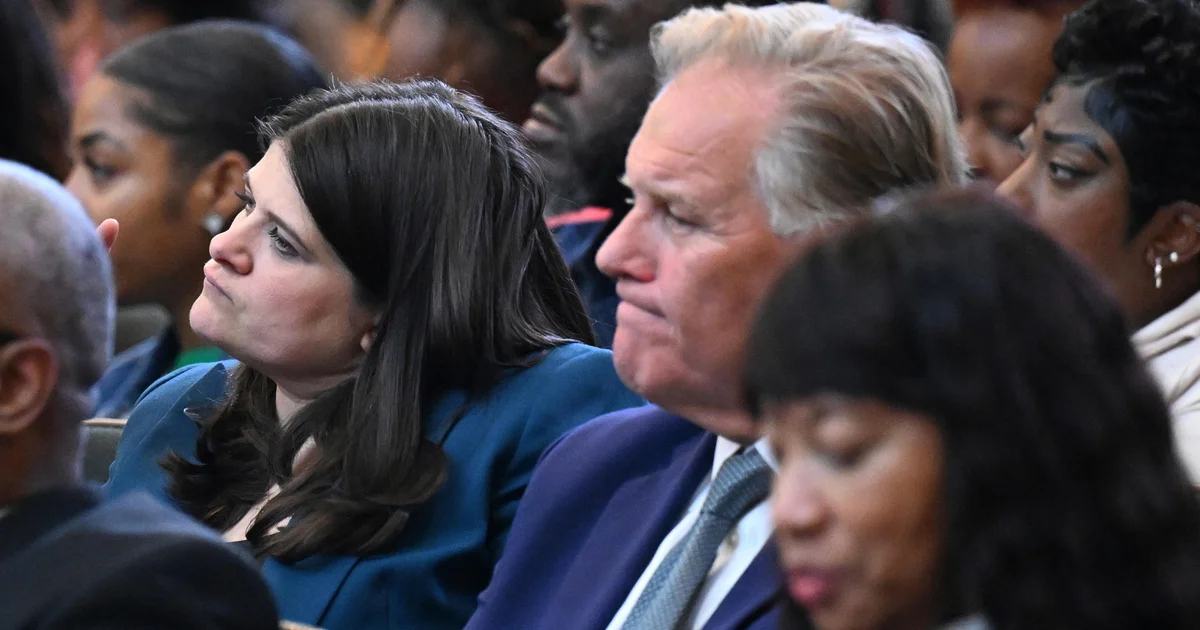

In a surprising political twist in Michigan, Democratic Rep. Haley Stevens has endorsed Republican Senate candidate Mike Rogers amid mounting tensions with Democratic nominee Abdul El-Sayed. This endorsement comes as the race intensifies just days before Election Day, reflecting deep divisions within the Democratic Party. Stevens, who narrowly lost to El-Sayed in the Democratic primary, stated that she was no longer welcome in his campaign and decided to support Rogers instead, a move that has drawn sharp reactions from her party.
| Article Subheadings |
|---|
| 1) Background of Stevens and El-Sayed’s Controversy |
| 2) Stevens’ Reasons for Supporting Rogers |
| 3) Reactions from Democratic Leaders |
| 4) The Impact on Stevens’ Staff and Future |
| 5) Broader Implications for Michigan Politics |
Background of Stevens and El-Sayed’s Controversy
The conflict between Rep. Haley Stevens and Abdul El-Sayed has been unfolding since their primary battle for the Democratic Senate nomination in August, where El-Sayed narrowly emerged victorious. Throughout the campaign, Stevens received significant backing from the Senate Democratic Campaign Committee, indicating her alignment with party values. However, a rift developed following comments and actions surrounding an advertisement from an outside group that linked military aid to Israel with rising grocery prices—a move Stevens condemned as antisemitic. The race became further complicated when Stevens publicly demanded that El-Sayed denounce this advertisement, which he ultimately distanced himself from, stating it was not produced by his campaign and that he disagreed with its content. These tensions highlighted the widening ideological rift within the Democratic Party, setting the stage for Stevens’ unexpected endorsement of Rogers.
Stevens’ Reasons for Supporting Rogers
In a video announcement, Rep. Stevens articulated her reasoning for endorsing Mike Rogers, emphasizing her belief that her support was a necessary step against hate. She indicated that her decision was not a repudiation of the Democratic Party but rather a reaction to the current political climate. Stevens remarked, “When you see hate, when you see us standing with Hasan Piker, and repeated hate, it’s not acceptable,” indicating her serious concerns about divisive rhetoric she associates with the El-Sayed campaign. By endorsing Rogers, she framed her choice as a principled stand for unity and against bigotry, reflecting her desire to focus on the bigger issues facing Michigan and its constituents.
Reactions from Democratic Leaders
The political landscape following Stevens’ endorsement took a sharp turn, drawing immediate criticism from top Democratic figures. Senate Minority Leader Chuck Schumer expressed his disapproval, describing Stevens’ actions as a “despicable betrayal” of the Democratic Party. Schumer reaffirmed the party’s commitment to El-Sayed, portraying him as a champion for working families, contrasting sharply with Rogers’ affiliation with former President Donald Trump and billionaire donors. Other party members echoed similar sentiments, with Rep. Debbie Dingell highlighting voter priorities such as affordability and quality of life, indicating that Stevens’ actions diverted attention from these critical issues. Additionally, Michigan Democratic Party chair Curtis Hertel publicly stated that Stevens was no longer affiliated with the party, marking a significant fallout from her endorsement of a Republican candidate.
The Impact on Stevens’ Staff and Future
The endorsement has had repercussions beyond political rhetoric, affecting Stevens’ professional network significantly. Following her announcement, her longtime chief of staff resigned, expressing shock and heartbreak over her decision to back Rogers. Several staff members are expected to follow suit, reflecting discontent within Stevens’ camp and raising questions about the future of her political career. In statements made after the endorsement, her former team articulated their unwavering support for El-Sayed, emphasizing the importance of unity among Democrats during a critical election period. This staff exodus illustrates the deep divisions not only in the broader party but also within Stevens’ own circle, suggesting potential challenges in her alignment moving forward.
Broader Implications for Michigan Politics
Stevens’ endorsement of Mike Rogers is not merely a personal decision; it signals a broader shift within Michigan’s political framework. The endorsement has fueled a narrative among Republicans, portraying El-Sayed as out of step with traditional Democratic voters. Republican National Committee spokesman Hunter Lovell capitalized on the division by suggesting that disaffected Democrats could find a home with Rogers, framing him as a unifying candidate for voters from various political backgrounds. This narrative could significantly impact the dynamics of the election and pave the way for a pivot in Michigan’s political landscape, potentially benefiting Republican candidates in future elections despite the established Democratic majority.
| No. | Key Points |
|---|---|
| 1 | Rep. Haley Stevens endorsed GOP candidate Mike Rogers, citing concerns over divisiveness in the Democratic party. |
| 2 | Tensions arose after Stevens’ criticism of an anti-Israel ad linked to Abdul El-Sayed leading to a public fallout between them. |
| 3 | Democratic leaders, including Chuck Schumer, condemned Stevens’ endorsement as betrayal and reaffirmed their support for El-Sayed. |
| 4 | Stevens faced backlash from her team, leading to resignations and questioning of her future within the party. |
| 5 | The endorsement could reshape the political landscape in Michigan, potentially benefiting Republican candidates. |
Summary
The shifting allegiances within Michigan’s political arena highlight the growing factions within the Democratic Party, as evidenced by Rep. Haley Stevens‘ endorsement of Republican Mike Rogers over Abdul El-Sayed. This decision has not only sparked outrage among party leaders but also raised questions about unity and strategy as the election approaches. Stevens’ stance against what she perceives as divisive rhetoric signals her commitment to her principles, even if it alienates her from her party’s mainstream. The ramifications of this endorsement will likely be felt well beyond this election, influencing future political alignments in the state.
Frequently Asked Questions
Question: What led to Rep. Haley Stevens’ endorsement of Mike Rogers?
Rep. Haley Stevens endorsed Mike Rogers due to her concerns about divisive rhetoric within the Democratic Party and perceived hate associated with her party’s nominee, Abdul El-Sayed. She framed her decision as a stand against intolerance rather than a rejection of Democratic values.
Question: How have Democratic leaders reacted to Stevens’ decision?
Many Democratic leaders, including Senate Minority Leader Chuck Schumer, expressed strong disapproval of Stevens’ endorsement, labeling it a betrayal and reaffirming their support for El-Sayed, whom they believe will better represent the interests of working families in Michigan.
Question: What impact will Stevens’ endorsement have on her political future?
Following the endorsement, Stevens has faced significant backlash, including resignations from her staff, which could impact her ability to effectively lead and represent her constituents moving forward. Her political future remains uncertain as a result of her decision.
