

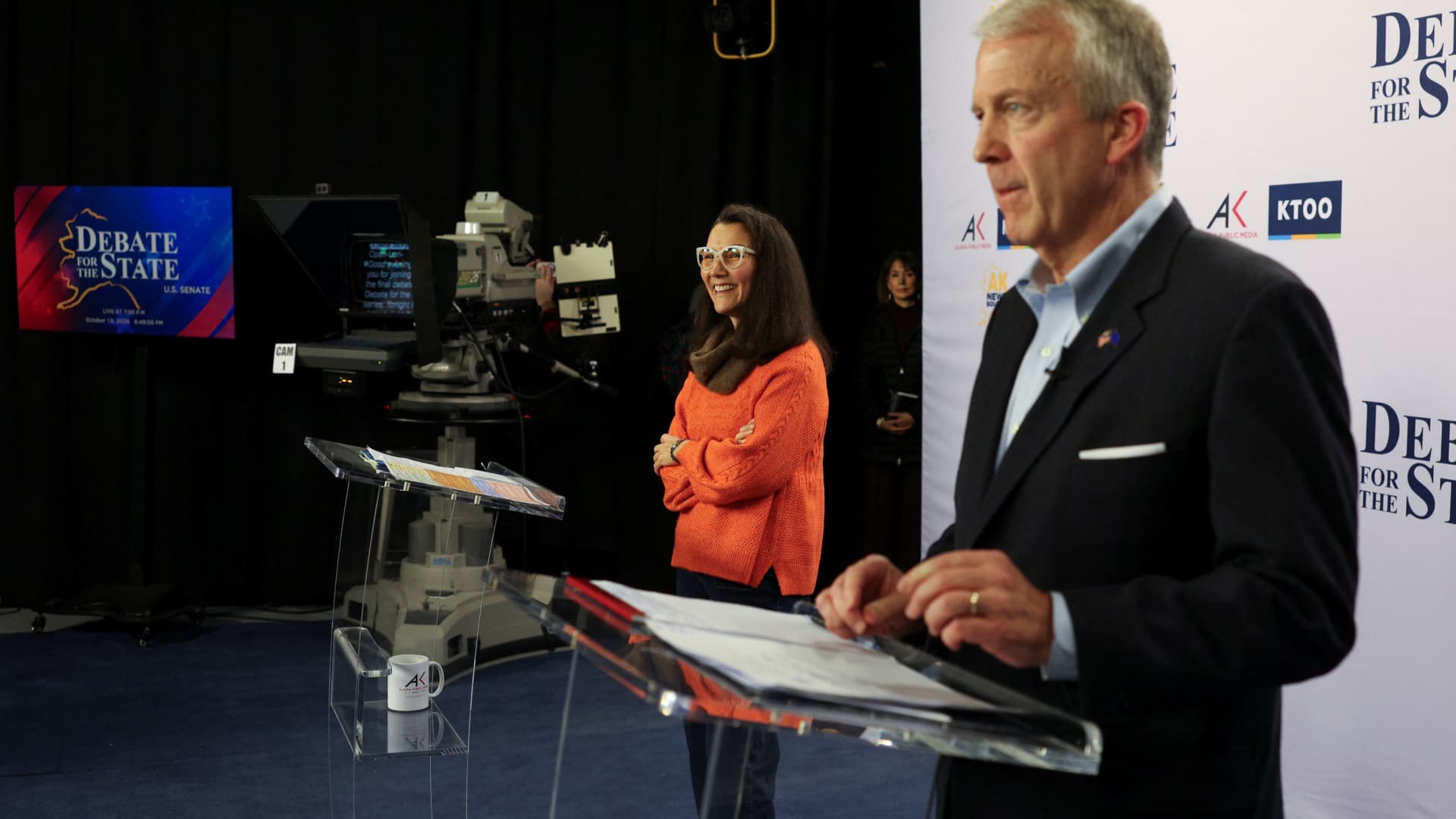

A significant ruling from a federal judge has impacted the upcoming Alaska Senate election, dismissing a lawsuit from the Department of Justice (DOJ) that aimed to delay the certification of the election due to concerns over voter confusion from two candidates sharing similar names. Incumbent Republican Senator Dan Sullivan faces Democratic challenger Mary Peltola in a closely watched race. The judge’s decision comes just days before Election Day, raising questions about the integrity of the election process.
| Article Subheadings |
|---|
| 1) Overview of the Lawsuit and its Implications |
| 2) The Role of Candidates and Allegations |
| 3) Legal Arguments Presented in Court |
| 4) Impact of the Ruling on the Election |
| 5) Reactions from Key Stakeholders |
Overview of the Lawsuit and its Implications
The recent lawsuit filed by the DOJ sought to delay the certification of the Alaska Senate race, raising concerns about potential voter confusion due to the presence of two candidates bearing the name “Dan Sullivan.” This situation arose when former schoolteacher Daniel J. Sullivan entered the race, prompting claims of confusion among voters. The case was brought to U.S. District Court in Anchorage, directly impacting the highly contentious election set for November 3, 2026, where incumbent Republican Dan Sullivan is vying to retain his seat against Mary Peltola, the Democratic nominee. The lawsuit alleged that this confusion could undermine the integrity of the electoral process.
Judge Sharon Gleason‘s decision to dismiss the suit indicated a rejection of the government’s claim that it had standing to take legal action against the certification. According to the court, the DOJ’s assertions did not sufficiently establish that an immediate threat to voter clarity existed. This ruling underscores the delicate balance courts must maintain regarding election laws, particularly when they are approached on the eve of significant events like Election Day. The lawsuit’s dismissal also reflects ongoing tensions surrounding the electoral process and the governance of election regulations, especially amidst an administration that actively involves the DOJ in electoral matters.
The Role of Candidates and Allegations
The candidates involved in this saga present a complex picture crucial to understanding the electoral landscape in Alaska. Incumbent Dan Sullivan, who has been in office since 2015, is defending his position against a competitive opponent in Mary Peltola. Peltola has been accused, albeit without concrete evidence, of orchestrating a campaign to mislead voters through the recruitment of Daniel J. Sullivan to run against her and the incumbent. Her campaign has vigorously denied such allegations, label them as tactics intended to undermine her candidacy.
The tension has escalated to claims from the DOJ, which states that Daniel J. Sullivan was a “frivolous candidate” designed to confuse voters, leading to legal action just before a critical election. This continuing narrative reflects broader issues within American electoral practices, where candidates may use strategies that sway public perception and voting behavior. Acknowledging the ongoing interest in voter intent and clarity, Peltola remains focused on engaging Alaskan voters through direct outreach efforts rather than getting mired in controversy. Thus, the broader implications for electoral integrity and candidate authenticity are encapsulated in this rapidly evolving situation.
Legal Arguments Presented in Court
In the courtroom, the government’s case hinged on two main arguments: the assertion that the presence of both candidates named Sullivan could confuse voters and the claim that this confusion warranted federal intervention. However, Judge Gleason identified critical weaknesses in the DOJ’s position. In her ruling, she pointed out that the DOJ failed to establish a solid legal basis for their claims and suggested that their request to investigate the voters’ intent would violate principles of voter privacy.
Gleason’s decision drew upon legal principles concerning election integrity, notably referencing the Purcell principle. This principle cautions against any alterations to the electoral process close to election day, emphasizing the importance of maintaining stability and certainty for voters during sensitive periods. The judge’s ruling not only dismissed the DOJ’s claims but also called into question the executive branch’s role in state elections, emphasizing that these are fundamentally under state jurisdiction.
With early voting already underway, the timing of the lawsuit and its subsequent dismissal raises significant questions about how legal interventions could impact election fairness. Moreover, these proceedings underline the importance of adhering to established electoral laws while balancing the interests of state authority versus federal oversight in election-related matters.
Impact of the Ruling on the Election
The court’s dismissal of the DOJ’s lawsuit has substantial implications for the upcoming Alaska Senate election. With the ruling issued just days before the election, voters were left to navigate a crucial decision without the uncertainty that could have ensued from a protracted legal battle. The ruling affirms the existing election rules, which now stand without interference from the federal government, allowing Alaskans to exercise their voting rights without confusion or delay.
Furthermore, the way the ballots have been formatted mitigates potential confusion. The incumbent Dan S. Sullivan is explicitly marked as the incumbent and a registered Republican, while the new contender is simply labeled Daniel J. Sullivan. This clarity on the ballot serves to direct voters’ choices effectively, potentially reducing the risk of misdirected votes. Since the elections are decided by ranked-choice voting in Alaska, this clarity is significant, as misalignment in votes could critically alter the outcome.
Accordingly, while the ruling has validated voter-related processes, it simultaneously highlights broader concerns regarding improper legal influences that could derail transparent electoral practices. The resolution of this case could set a precedent for future disputes about candidate legitimacy and the extent to which federal entities can engage in state-level elections.
Reactions from Key Stakeholders
Responses to the ruling have been varied, reflecting deep divisions in the political landscape in Alaska and nationwide. After the ruling, Mary Peltola‘s campaign hailed it as a victory for democracy, asserting that it empowers Alaskans to choose their elected officials without interference. A spokesperson for Peltola stated,
“No sham investigation or baseless lawsuit from a weaponized Department of Justice is going to stop Alaskans from electing Mary.”
This sentiment underscores a robust belief in the power of the electorate to make informed choices.
On the other hand, the DOJ’s spokesperson noted the court’s dismissal of procedural grounds rather than substantive positions, emphasizing their original argument of confusion and potential voter manipulation. They maintain that the lawsuit’s intent was to ensure a fair electoral process, reinforcing their intention to file an appeal to the 9th Circuit U.S. Court of Appeals.
Former President Donald Trump, who claimed to have initiated the DOJ’s lawsuit, expressed discontent with the ruling, declaring it “voter fraud at the highest level.” His comments reflect ongoing partisanship within the election arena, further complicating perceptions of electoral fairness. Reaction from the broader political community reflects a complex intertwining of campaign initiatives, legal challenges, and the ever-present influence of political legislation.
| No. | Key Points |
|---|---|
| 1 | Federal judge dismisses DOJ’s lawsuit against Alaska Senate election certification. |
| 2 | Incumbent Senator Dan Sullivan is facing Democratic challenger Mary Peltola. |
| 3 | Legal arguments centered on voter confusion with two candidates named Dan Sullivan. |
| 4 | Ruling asserts that electoral procedures should remain under state control and not federal intervention. |
| 5 | Responses from stakeholders reflect deep political divisions and differing views on election integrity. |
Summary
The dismissal of the DOJ’s lawsuit has significant implications for the Alaska Senate race, reinforcing the integrity of the electoral process amid growing tensions regarding voter manipulation. The ruling enables a smoother electoral experience as Alaskans head into critical decisions about their representation. This case highlights the necessity for clear rules and oversight in elections, potentially influencing future legal confrontations around electoral integrity. As both candidates prepare for a vital election, this ruling emphasizes the pressing need to maintain a free and fair democratic process.
Frequently Asked Questions
Question: What was the reason behind the DOJ’s lawsuit regarding the Alaska Senate election?
The DOJ’s lawsuit aimed to delay the certification of the Alaska Senate election due to concerns over potential voter confusion caused by two candidates sharing the name “Dan Sullivan.” They argued that this situation warranted federal intervention to ensure a fair electoral process.
Question: What outcome did the federal judge decide on the DOJ’s lawsuit?
The federal judge dismissed the DOJ’s lawsuit, stating that the government lacked legal standing to file the complaint. The judge emphasized that the electoral process should primarily remain a matter of state governance without unnecessary federal interference.
Question: How does ranked-choice voting play a role in the Alaska Senate election?
In ranked-choice voting, voters rank candidates in order of preference. This system becomes particularly important in Alaska’s Senate race, as voters can indicate their second-choice candidates, potentially influencing the outcome if no candidate receives an outright majority in the first round of counting.
