

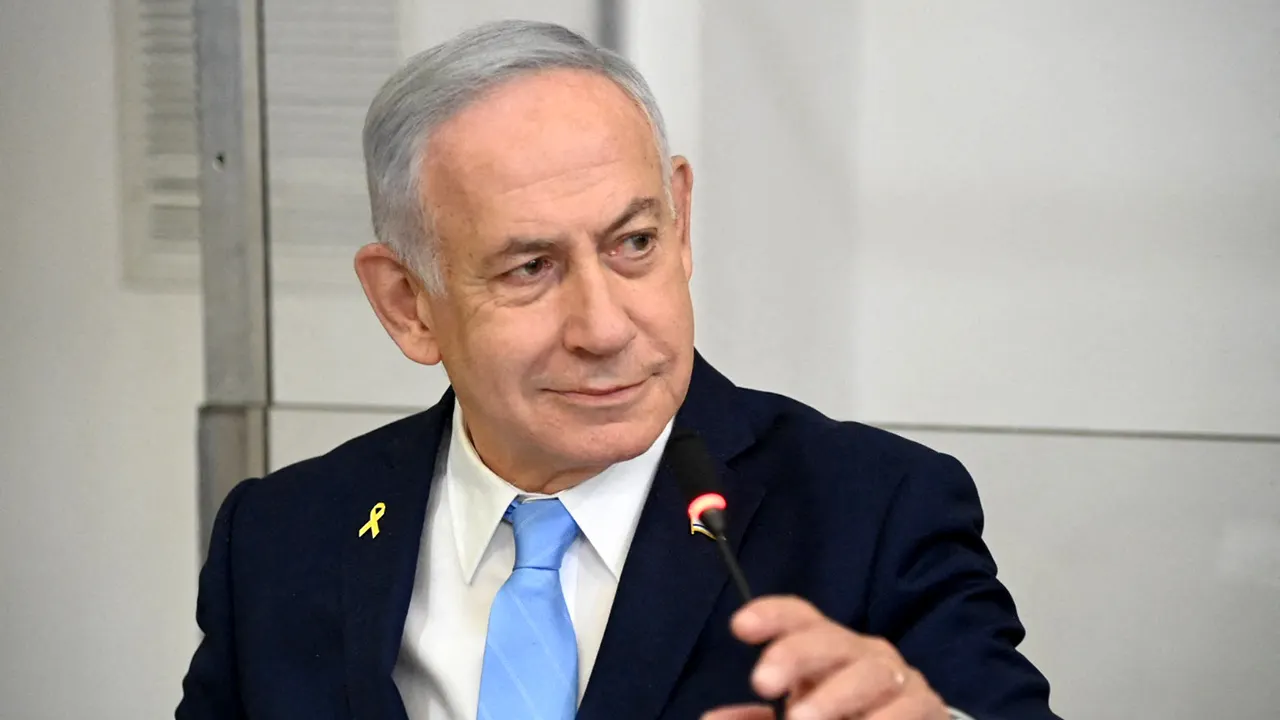

In a significant development regarding the long-standing legal battle against Israeli Prime Minister Benjamin Netanyahu, a Jerusalem District Court indicated potential flaws in the prosecution’s case, generating speculation on the future of the trial. Judges on a three-member panel suggested that the Attorney General Gali Baharav-Miara consider dismissing the most serious charges against Netanyahu while expressing doubt about the evidence presented. Following the court’s remarks, Netanyahu declared that the trial had “fallen apart” and called for its immediate cessation. This latest twist comes more than six years after the trial began, complicating Netanyahu’s political landscape as he navigates both legal challenges and his leadership.
| Article Subheadings |
|---|
| 1) The Legal Context of Netanyahu’s Charges |
| 2) Court’s Insights and Recommendations |
| 3) Netanyahu’s Reaction and Political Aspirations |
| 4) Implications for Israeli Politics and Governance |
| 5) The Future of Prosecution and Legal Proceedings |
The Legal Context of Netanyahu’s Charges
The saga of legal troubles for Benjamin Netanyahu commenced years ago, with a multifaceted indictment comprising bribery, fraud, and breach of trust allegations tied to three major cases. The charges that landed Netanyahu in court stem from his alleged favors granted to business interests in return for positive media coverage. Specifically, in Case 4000, Netanyahu is accused of aiding Bezeq, Israel’s leading telecommunications company, by providing regulatory advantages in exchange for favorable reporting on the Walla news website, which was under the control of businessman Shaul Elovitch. The charges emerged in late 2019, following a comprehensive investigation into Netanyahu’s ties with various affluent figures and substantial media outlets.
The prosecution’s case has continuously faced skepticism, especially considering the considerable time elapsed since the allegations surfaced. Throughout the proceedings, Netanyahu has maintained his innocence, frequently stating that the legal actions are politically motivated attempts to undermine his leadership. Notably, at the forefront of public concerns is whether the case against him holds enough weight to lead to a conviction. As such, the legal dynamics surrounding Netanyahu’s trial demonstrate a complex blend of political, social, and judicial elements intertwined over years.
Court’s Insights and Recommendations
In a recent session, the three-judge panel raised serious questions regarding the prosecution’s ability to secure a conviction against Netanyahu, suggesting a potential re-evaluation of key aspects of the case. The judges expressed doubt about whether a criminal offense could be definitively established and recommended that Attorney General Gali Baharav-Miara assess the public interest in continuing the trial. During the proceedings, Judge Rivka Friedman-Feldman emphasized the necessity to redirect the course of the case, recognizing ongoing concerns about the strength of the evidence.
The judges’ comments are believed to reflect a broader recognition of the complexities involved in the trial. They highlight a determined effort to seek clarity and coherence amid the extensive legal battle that has ensued. Their recommendations could significantly impact the strategy for the prosecutors moving forward, who have faced mounting challenges in their attempts to substantiate the allegations against Netanyahu. Commentators suggest the judges’ feedback is both a reaction to the sheer length of the prosecution and an acknowledgment of the divisions within Israeli society regarding Netanyahu’s political future.
Netanyahu’s Reaction and Political Aspirations
Following the judges’ remarks, Netanyahu addressed the media and public, declaring that “today, the trial fell apart.” He asserted that the legal proceedings had become a source of shame and division for the country. With a sense of urgency and palpable frustration, he called for an end to the trial and its accompanying societal consequences, which he framed as fostering incitement and division among citizens. “This trial must end immediately,” he stated emphatically, urging political opponents to unite rather than engage in hostility.
Netanyahu’s rhetoric signals a shift in focus as he seeks to maintain his political relevancy amid the ongoing legal turbulence. By framing the trial as a distraction from critical governance, he attempts to rally support from his political base and appeal to broader segments of the Israeli populace who share concerns about political motivations behind the prosecution. His call for a unity government suggests an awareness of the delicate balance required to navigate both legal and political arenas, all while under scrutiny for his government’s policies and handling of various national issues.
Implications for Israeli Politics and Governance
The current state of Netanyahu’s legal battle bears substantial implications for Israeli governance and political dynamics. Should the charges against him be dismissed or significantly weakened as a result of the judges’ feedback, it could pave the way for Netanyahu to recommit himself fully to leadership roles. Observers note that any perceived inability to secure a conviction could further embolden Netanyahu and his supporters, potentially reshaping the political landscape ahead of forthcoming elections.
Moreover, the ongoing division resulting from the trial and its public perception raises important questions about trust in institutions and the rule of law in Israel. As Netanyahu continues to advocate for a unified political front, tensions may escalate between various factions within the government, especially if aspects of the legal proceedings become intertwined with campaign strategies. For both Netanyahu and his opponents, the consequences extend beyond individual interests, impacting the nation’s stability and unity.
The Future of Prosecution and Legal Proceedings
Looking ahead, the future of Netanyahu’s trial remains uncertain as the prosecution weighs the judges’ recommendations. The Attorney General’s office now faces a critical juncture and must carefully evaluate how to proceed in light of the doubts expressed by the court. This might involve reconsidering the viability of pursuing certain charges, exploring potential settlements, or refining their evidence and approach as necessary. As Netanyahu has remained consistent in asserting that the allegations stem from a politically charged environment, the prosecutors’ handling of the situation will heavily influence public opinion and potential future voter sentiment.
Furthermore, the ramifications of this case are likely to extend beyond legal boundaries, influencing Israeli civil society’s perception of government accountability. Should the prosecution choose to press forward despite the evident hesitations from the judges, it may risk exacerbating divisions and igniting further public discourse around democratic practices in Israel. Regardless of the outcome, Netanyahu’s trial has already emerged as a pivotal moment in Israeli history, reflective of the broader challenges faced by governmental systems amid intensified scrutiny.
| No. | Key Points |
|---|---|
| 1 | The Jerusalem District Court suggested reevaluating serious corruption charges against Prime Minister Netanyahu. |
| 2 | Judges raised doubts on the strength of the evidence presented by prosecutors in Netanyahu’s case. |
| 3 | Netanyahu declared the trial must end immediately and called for political unity among rival factions. |
| 4 | The ongoing legal proceedings could significantly influence Israeli political dynamics and governance. |
| 5 | The Attorney General faces critical decisions regarding how to proceed with the ongoing charges against Netanyahu. |
Summary
The recent developments surrounding Benjamin Netanyahu’s legal challenges are pivotal, not just for the accused but for the political landscape of Israel as a whole. The judges’ critiques introduce a fresh perspective on a lengthy trial that has captivated national and international audiences alike. As the prosecution reevaluates its approach and both Netanyahu’s calls for unity and the implications for the Israeli government unfold, the outcome of this trial will resonate far beyond courtroom walls, affecting societal division and the upcoming political climate.
Frequently Asked Questions
Question: What are the main charges against Netanyahu?
Netanyahu faces multiple charges including bribery, fraud, and breach of trust related to three major corruption cases involving allegations of favoritism and improper media dealings.
Question: How long has the legal battle lasted?
The legal battle against Netanyahu began over six years ago, with investigations launching nearly a decade prior to the formal charges being filed in 2019.
Question: What impact could the court’s recommendations have on Israeli politics?
The court’s recommendations could significantly influence Netanyahu’s political future and may lead to a reconfiguration of the political landscape in Israel, especially if the charges are dismissed or significantly weakened.
