

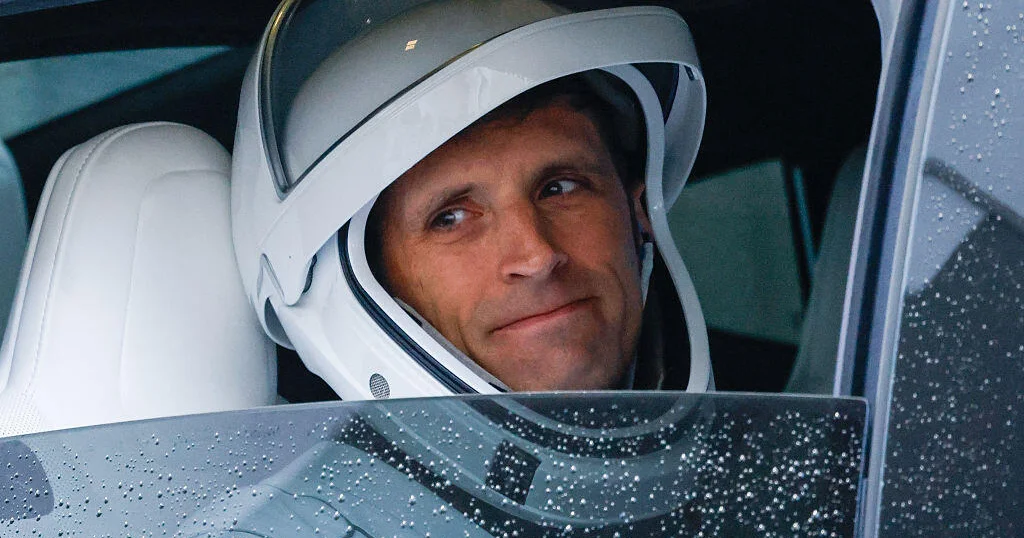

In a remarkable turn of events, the wife of Canadian astronaut Joshua Kutryk gave birth to their third child while he is stationed aboard the International Space Station (ISS). The Canadian Space Agency confirmed that Heather Kutryk brought a baby girl into the world on Tuesday. Although physically separated by the vastness of space, the couple expressed their deep emotional bond during this pivotal moment in their lives.
The birth marks a significant milestone for the couple, who are also parents to two other children aged 7 and 5. As crews aboard the ISS continue to conduct research and operations, this unique personal story adds a human element to the ongoing missions in outer space.
| Article Subheadings |
|---|
| 1) Birth Announcement from Space |
| 2) Kutryk’s Remarkable Journey |
| 3) Impact of Absence During Milestones |
| 4) The Legacy of Astronaut Parenthood |
| 5) Future Missions and Family Life |
Birth Announcement from Space
The birth of baby Kutryk has been heralded as a remarkable occasion by both the Canadian Space Agency and friends and family. A representative from the agency confirmed both mother and baby are in good health following the delivery. The emotional distance felt by Joshua Kutryk, currently residing on the ISS, is softened by the ability to share this moment remotely. The couple expressed their joy in embracing this new chapter despite the circumstances of space travel.
In a statement, the couple stated,
“Even with the distance between us, we feel incredibly connected as we welcome our new little star into our lives.”
Such acknowledgments highlight not only the emotional resilience required by families of astronauts but also a sense of shared experience that transcends physical boundaries.
Kutryk’s Remarkable Journey
Joshua Kutryk embarked on his first spaceflight on October 1, traveling from Cape Canaveral, Florida, aboard a SpaceX Crew Dragon capsule as part of the Crew 13 mission. The mission also includes two NASA astronauts and a Russian cosmonaut, showcasing international cooperation in the realm of space exploration.
Before his launch, Kutryk acknowledged the challenge of missing the birth and expressed optimism about the unique experience it brings. “Physically, of course, I won’t be here, but as hard as that will be, it also lends itself to what I hope will be a very unique and enriching life experience that we’ll look on fondly,” he remarked in a pre-launch interview. His willingness to view this significant absence with a positive lens reflects the mental toughness needed in the life of an astronaut and their families.
Impact of Absence During Milestones
Joshua Kutryk is only the fourth astronaut in history to miss the birth of a child while aboard the ISS, emphasizing the unique challenges faced by spacefarers. His absence at a pivotal moment in family life raises broader questions about the sacrifices required for those in the space industry. It highlights the emotional struggles faced by astronauts and their families, balancing personal milestones with professional obligations in an environment that demands complete focus and dedication.
The Kutryk family’s situation resonates with many. With two other children aged 7 and 5, Heather evidently takes on significant responsibilities while her partner is in space, illustrating the often unspoken labor that family members of astronauts must undertake. This unique parenting dynamic brings forth myriad feelings that were evident in Kutryk‘s past reflections on family and duty.
The Legacy of Astronaut Parenthood
Parenthood in the context of space exploration presents an interesting legacy for future generations. Joshua hopes that his newborn child will grow up appreciating the importance of sacrifice and adventure in service to public good. After sharing insight into the unpredictable nature of space travel, he stated,
“We think it’s exceptionally important, and I hope that my new child looks at it as such, as making some sacrifice, taking some risk, but doing so in the name of public service and the name, in my case, for Canada.”
This sentiment underscores a desire for children to understand the deeper meanings behind their experiences.
Moreover, this episode adds a layer to the legacy of Canadian astronauts, as the challenges they face in balancing home life and duty continues to shape their families’ ties. Each story, like that of the Kutryks, enriches the narrative of space exploration, emphasizing human relationships intertwined with the quest for knowledge.
Future Missions and Family Life
Currently, Crew 13 does not have a confirmed return date to Earth, keeping families on edge while managing the realities of both space exploration and family obligations. The unpredictability inherent in missions can create additional stresses for families waiting for the safe return of their loved ones.
As Kutryk and his fellow crew members continue their work aboard the ISS, they are ensuring that subsequent generations can ultimately thrive in the continual growth of space exploration. Families are pivotal in making sacrifices that contribute to this mission, reinforcing the idea that while individuals may find themselves far from home, their ties remain strong and vibrant.
| No. | Key Points |
|---|---|
| 1 | Astronaut Joshua Kutryk welcomed the birth of his daughter from the ISS. |
| 2 | This marks a significant milestone for both Kutryk and his wife, Heather Kutryk, who also have two other children. |
| 3 | Kutryk is the fourth astronaut to miss the birth of a child while in space. |
| 4 | The mission emphasizes the unique challenges faced by astronauts and their families. |
| 5 | This event contributes a poignant story of love and sacrifice to the legacy of Canadian space explorers. |
Summary
The recent birth of a baby girl to Heather Kutryk during her husband Joshua Kutryk’s mission aboard the ISS highlights the intersection between personal milestones and professional sacrifices in space exploration. This unique story resonates deeply, offering insight into the emotional resilience required by families of astronauts. As they navigate their responsibilities, the Kutryk family’s narrative serves as a testimony to love, sacrifice, and the wonders of modern space travel.
Frequently Asked Questions
Question: How could a father watch the birth of his child from space?
While technology does not allow for a physical presence, communication tools on the ISS facilitate video chats and messages, helping maintain a connection during significant life events.
Question: What kinds of missions do astronauts conduct aboard the ISS?
Astronauts on the ISS engage in a variety of scientific research projects, including studying the effects of microgravity on biological systems, technology demonstrations, and international collaborations in space exploration.
Question: How often do astronauts miss significant family events?
Missing important family milestones is not uncommon in the elite field of astronauts, which requires a long-term commitment and can lead to periods of isolation away from loved ones.
